Summer changes everything about how you eat. The produce is different, the cooking methods shift, the social calendar fills up with cookouts and potlucks, and the heat itself alters what your body needs. If you are following a vegetarian ketogenic diet, summer brings a unique set of advantages and challenges that deserve their own playbook.
The good news: summer is arguably the easiest season for vegetarian keto. Farmers' markets overflow with low-carb vegetables. Grilling transforms simple ingredients like halloumi, zucchini, and portobello mushrooms into smoky, satisfying meals. Cold dishes like salads and chilled soups require minimal effort on days when turning on the oven feels like punishment.
The tricky part is what catches most people off guard. Electrolyte losses accelerate in the heat, especially on keto where your body already excretes more sodium and potassium. Summer fruit temptations are everywhere. And standing at a cookout where every grill slot holds a burger or brat can feel isolating when you are both vegetarian and keto.
This guide covers all of it: the best summer produce for your macros, how to own the grill without a single piece of meat, a heat-specific electrolyte strategy, no-cook meals for the hottest days, and how to handle every backyard BBQ invitation with confidence. Whether you are new to vegetarian keto or a seasoned veteran, consider this your warm-weather manual.
Best Summer Produce for Vegetarian Keto
Summer produce is a gift for keto eaters. While winter forces you to rely on frozen vegetables and storage crops, June through September delivers an abundance of fresh, low-carb options at peak flavor and rock-bottom prices. Here is what to load up on, organized by net carbs per cup.
The under-3g club (eat freely):
- Zucchini and summer squash: 2.4g net carbs per cup, sliced. Arguably the most versatile summer keto vegetable. Grill it, spiralize it, stuff it, bake it into frittatas. Check out our zucchini noodle alfredo for a cool weeknight dinner.
- Cucumber: 1.5g net carbs per cup. Perfect raw, in salads, or blended into cold soups.
- Radishes: 2.0g net carbs per cup. Grilled radishes lose their bite and develop a turnip-like sweetness.
- Green beans: 2.9g net carbs per cup (trimmed). Barely keto-legal in large quantities during winter, but summer green beans are so flavorful you need less.
- Celery: 1.4g net carbs per cup. The ultimate snack vehicle for nut butters and cream cheese.
The 3-5g range (enjoy generously):
- Bell peppers: 3.6g net carbs per cup, chopped. Go for green over red or yellow (green has fewer carbs). Outstanding for stuffing with cheese.
- Tomatoes: 4.7g net carbs per cup, chopped. Use as a condiment or accent rather than a base. Cherry tomatoes straight from the vine are one of summer's best keto-compatible pleasures in moderation.
- Eggplant: 2.3g net carbs per cup, cubed. Absorbs marinades like a sponge, making it ideal for the grill. Try it in eggplant parmesan or our dukkah-crusted eggplant steaks.
- Jalapeños, serranos, and other chili peppers: 2-4g net carbs each. Summer is peak season.
Watch-your-portions summer produce:
- Corn: 27g net carbs per ear. Skip entirely.
- Watermelon: 11g net carbs per cup. A single bite at a cookout will not wreck anything, but do not sit down with a bowl.
- Peaches and nectarines: 13g net carbs per medium fruit. Beautiful but off-limits in meaningful quantities.
- Sweet cherries: 18g net carbs per cup. Treat as decoration, not food.
The secret summer keto weapon: fresh herbs. Basil, cilantro, mint, dill, and chives are all near-zero carbs and transform simple grilled vegetables into restaurant-quality dishes. Buy bunches at the farmers' market for a fraction of grocery store prices. A big handful of basil torn over grilled halloumi with a drizzle of olive oil is a 2-minute meal that tastes like a $22 appetizer.
For a broader look at which foods fit your macros beyond summer produce, our vegetarian keto food list covers every category.
Meatless Grilling: Own the BBQ Without a Single Burger
Grilling is not a meat-only activity. With the right ingredients and technique, vegetarian keto grilling produces results that make omnivores reach across the table. The key is understanding which plant-based proteins and vegetables hold up over direct heat and which need a different approach.
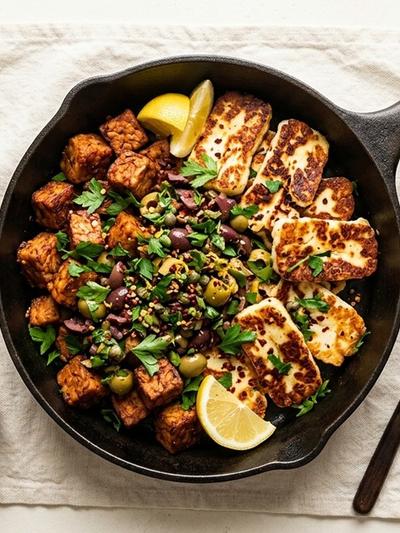
Halloumi is your summer MVP. This Cypriot cheese has a melting point above 480°F/250°C, meaning it grills beautifully without liquefying through the grates. Slice it into 1/2-inch planks, brush with olive oil, and grill 2-3 minutes per side over medium-high heat. Per 100g serving: 0g net carbs, 25g fat, 22g protein. That is better macros than most burger patties. Try it as the base for our chipotle halloumi fries, adapted for the grill by using a grill basket instead of the air fryer.
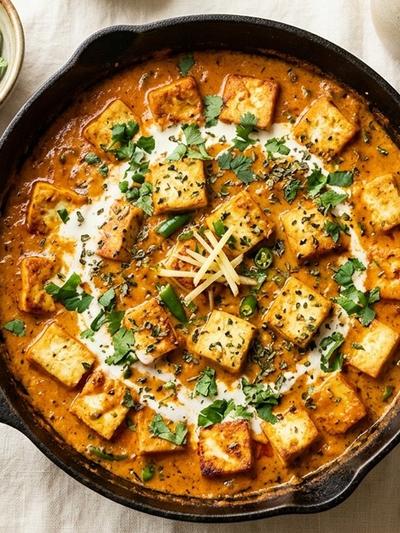
Paneer holds up nearly as well. Cut into 1-inch cubes, thread onto skewers with bell pepper and onion chunks, and marinate in a mixture of yogurt, garam masala, and a tablespoon of avocado oil for at least 30 minutes. Grill over medium heat, turning every 3 minutes. This is essentially paneer tikka done over live fire, and the smoky char adds a dimension an oven cannot replicate. Per 100g: 1.2g net carbs, 25g fat, 18g protein.
Extra-firm tofu needs the right prep. Press it for at least 30 minutes (or freeze and thaw it the night before for a chewier texture), then cut into thick slabs. Marinate in soy sauce, sesame oil, rice vinegar, and a pinch of erythritol for 15 minutes minimum. Use a well-oiled grill basket or lay slabs perpendicular to the grates. Grill 4-5 minutes per side. Per 100g: 0.7g net carbs, 5g fat, 9g protein.
Tempeh is the most underrated grill protein. Its firm, sliceable texture holds together over flame without any pressing required. Slice into 1/4-inch strips, steam for 10 minutes to remove bitterness, then marinate in your choice of sauce. Tempeh picks up smoke flavor remarkably well. Per 100g: 4.2g net carbs, 11g fat, 20g protein. Our za'atar tempeh shawarma bowls translate perfectly to the grill.
Vegetables that grill exceptionally:
- Portobello mushroom caps (marinate 15 minutes in balsamic and olive oil, grill 5 minutes per side — the ultimate keto burger stand-in)
- Zucchini halves (lengthwise cuts, brushed with garlic oil)
- Eggplant rounds, 3/4 inch thick
- Romaine hearts, halved (30 seconds per side for a grilled Caesar base)
- Whole jalapeños and shishito peppers (blister all over, 6-8 minutes, turning frequently)
The vegetarian keto grilling station setup: When you are sharing grill space at a cookout, claim one zone as your own from the start. Bring a clean grill basket for smaller items. Carry your own olive oil spray and tongs. This prevents cross-contamination for those who are strict vegetarian and ensures you are not waiting for space between rounds of hot dogs.
Electrolytes in the Heat: A Keto-Specific Summer Strategy
Here is something that catches even experienced keto dieters by surprise every June: the combination of ketosis and summer heat creates an electrolyte drain that is significantly worse than either factor alone.
On a standard diet, your kidneys hold onto sodium because insulin signals them to do so. On keto, lower insulin levels cause your kidneys to flush sodium more aggressively, taking potassium and magnesium with it. Now add summer heat, which increases sweat losses by 30-50% compared to temperate conditions. The result is a double depletion that can produce headaches, muscle cramps, fatigue, dizziness, and brain fog that people mistakenly blame on the diet itself.
Summer keto electrolyte targets (daily minimums):
- Sodium: 4,000-5,000mg (compared to the 3,000-4,000mg recommended in cooler weather). Add 1/2 teaspoon of salt to your morning water and another 1/2 teaspoon across meals.
- Potassium: 3,500-4,700mg. Avocados (690mg per half), spinach (840mg per cooked cup), and mushrooms (555mg per cup) are your best keto-friendly sources.
- Magnesium: 400-500mg. Supplementation is almost always necessary. Magnesium glycinate or citrate before bed, 200-400mg.
Practical hydration for hot keto days: Carry a 32oz water bottle and aim for three full refills throughout the day. Add a pinch of salt and a squeeze of lemon to each fill. If you are exercising outdoors, drink 16-20oz of electrolyte-enhanced water 30 minutes before activity and continue sipping during.
DIY summer keto electrolyte drink: Mix 32oz water with 1/4 teaspoon salt, 1/4 teaspoon potassium chloride (sold as "lite salt" or "half salt"), 1 tablespoon lime juice, and a few drops of liquid stevia or monk fruit sweetener. This costs about $0.08 per serving compared to $1.50-3.00 for commercial keto electrolyte packets, and it contains no fillers or maltodextrin. Make a big batch and keep a pitcher in the fridge.
Warning signs of summer keto dehydration: If you feel lightheaded when standing up, get leg cramps at night, or notice your urine is dark yellow, you are behind on electrolytes and fluids. Do not wait for thirst — on keto, the thirst signal often lags behind actual dehydration.
For a deeper look at how electrolyte balance connects to common keto discomforts, our guide to fixing digestive issues on vegetarian keto covers the gut-specific side of this equation.
No-Cook and Minimal-Heat Meals for Scorching Days
When the thermometer hits 95°F/35°C, the last thing you want is to stand over a hot stove. These meal strategies keep your kitchen cool and your macros tight.
The loaded salad formula (5 minutes, no cooking): Pick one base + one protein + one fat + one crunch + one dressing.
- Base: mixed greens, spinach, arugula, or shredded cabbage (1-2g net carbs)
- Protein: cubed fresh mozzarella (1g per 100g), crumbled feta (1.5g per 100g), diced avocado (1.8g per half), hemp hearts (1.4g per 3 tablespoons), hard-boiled eggs (0.6g each)
- Fat: olive oil, avocado slices, macadamia nuts, or a drizzle of walnut-basil pesto
- Crunch: toasted pumpkin seeds, sunflower seeds, or crushed walnuts. Our nuts and seeds guide breaks down the exact macro counts for every option.
- Dressing: olive oil + lemon juice + dijon mustard + salt is the simplest keto dressing that exists, and it never gets old.
A well-built salad following this formula hits 450-600 calories with 35-45g fat, 20-25g protein, and 5-8g net carbs. Make it a full meal, not a side dish.
Cold soup options: Gazpacho made with extra olive oil, fewer tomatoes, and more cucumber stays under 6g net carbs per generous bowl. Cold avocado soup (blended avocado, cucumber, sour cream, lime juice, cilantro, and vegetable broth over ice) is pure keto luxury at 4g net carbs.
The cheese and vegetable board dinner: On the hottest nights, skip formal cooking entirely. Set out a board with 2-3 cheeses (aim for variety — a soft brie, a sharp cheddar, and a crumbly blue), sliced cucumber, celery, radishes, a small dish of olives, a few walnuts, and some cream cheese bites on cucumber rounds. Our complete cheese guide can help you pick the best options for your macros and budget. This "deconstructed" approach to dinner is surprisingly satisfying, requires zero cooking, and generates almost no dishes.
Chia pudding for no-cook breakfast: Combine 2 tablespoons chia seeds with 3/4 cup full-fat coconut milk, 1/2 teaspoon vanilla, and sweetener to taste. Refrigerate overnight. In the morning, top with a few raspberries (3.3g net carbs per 1/2 cup) and a tablespoon of toasted coconut flakes. Our keto chia seed pudding has five different flavor variations so you will never get bored.
Smoothies done right: Most smoothies are sugar bombs, but a keto smoothie built on a base of full-fat coconut cream, a handful of spinach, 2 tablespoons almond butter, and ice is a 500-calorie meal with under 5g net carbs. Try our keto green smoothie or berry smoothie bowl for tested recipes that nail the macros.
Vegan Keto Summer: Plant-Only Strategies
If you skip dairy and eggs along with meat, summer is actually your most abundant season. The produce-forward nature of warm-weather eating aligns naturally with vegan keto, and several strategies become easier when markets are full of fresh, local vegetables.
Protein anchors for vegan keto grilling and summer meals:
- Extra-firm tofu, grilled or baked: 9g protein per 100g, 0.7g net carbs
- Tempeh, sliced and grilled: 20g protein per 100g, 4.2g net carbs
- Hemp hearts (raw, sprinkled on everything): 10g protein per 3 tablespoons, 1.4g net carbs
- Pumpkin seeds: 8.5g protein per 1/4 cup, 1.3g net carbs
Meeting the protein requirements on vegan keto takes more planning than lacto-ovo, but summer simplifies things because tofu and tempeh are at their best on the grill.
Fat sources that work in heat: Coconut cream separates above 75°F, which is actually useful — the thick cream on top of a chilled can is perfect for whipping into dessert toppings or stirring into cold soups. Avocados are at their cheapest in summer months (often under $1 each versus $2+ in winter). Extra virgin olive oil should be your default cooking and finishing fat. For more details on which fats to prioritize, see our vegetarian keto fats guide.
Vegan keto cookout contributions that impress everyone:
- Coconut-crusted tofu bites with a spicy peanut sauce (make extra — they disappear fast)
- Grilled portobello caps stuffed with walnut-herb pâté
- A big bowl of guacamole with homemade cheese crisps (substitute seed crackers for the cheese crisps to keep it vegan)
- Our vegan keto coconut donut holes for dessert
Browse our full vegan keto recipe collection for more options that work at summer gatherings.
Summer Entertaining: Hosting a Keto-Friendly Cookout
Hosting your own summer gathering is the ultimate power move on vegetarian keto. You control the menu, the grill, and the options. Here is how to throw a cookout that satisfies keto and non-keto guests alike.
The menu blueprint for 6-8 guests:
Appetizers (set out 30 minutes before grilling):
- Vegetable crudités with two dips: a classic guacamole and a whipped feta with herbs
- Baked mozzarella sticks (make a double batch; they go fast)
- A bowl of mixed olives and marinated artichoke hearts
- Estimated cost: $18-24 total
Mains from the grill:
- Halloumi steaks for the keto crowd
- Grilled portobello burgers (serve on lettuce wraps for keto, provide regular buns for non-keto guests)
- Buffalo paneer bites with cool ranch dip
- A non-keto side like corn on the cob or a bread basket for guests who eat carbs
- Estimated cost: $30-40 total
Sides:
- A massive Greek salad (keto-friendly and universally loved)
- Cauliflower rice seasoned with lime, cilantro, and a pinch of cumin
- Grilled zucchini and eggplant platter with chimichurri
Dessert:
- Keto New York cheesecake (non-keto guests will not know the difference)
- Fresh berries with whipped coconut cream for the vegan crowd
Total estimated cost for the entire cookout: $60-85 for 6-8 people. That is $8-14 per person, which is cheaper than most restaurant meals and significantly less than a meat-heavy BBQ. For more strategies on keeping keto affordable, check out our guide to vegetarian keto on a budget.
Timing the prep: Make the cheesecake the night before. Marinate the halloumi and paneer in the morning (4+ hours is ideal). Prep the salad and crudités 2 hours before guests arrive. Start the grill 30 minutes before you plan to eat. This schedule means you spend time with your guests instead of hiding in the kitchen.
Handling the "where's the meat?" question: Keep it simple and confident. "We grill vegetarian at our place — try the halloumi, it's incredible" works better than a lengthy explanation of your dietary philosophy. Food does the talking. When your grilled halloumi has more char and flavor than the frozen burgers at the last cookout your friends attended, the question answers itself.
If you are on the other side — attending someone else's cookout — our guide to vegetarian keto at social events has detailed strategies for navigating those situations without stress.
Meal Prep Strategies for Summer Weeks
Summer schedules are unpredictable. Long days, spontaneous evening plans, and general reluctance to cook in the heat make weekend batch cooking even more valuable than usual. But summer meal prep looks different from the casserole-heavy winter approach.
The summer meal prep formula (90 minutes on Sunday):
Batch 1 — Proteins (30 minutes):
- Press and bake two blocks of extra-firm tofu with your choice of seasoning. Store in containers for salads, wraps, and bowls all week.
- Prepare a batch of walnut-hemp falafel that works cold or reheated.
Batch 2 — Vegetables (20 minutes):
- Wash and chop salad greens for the week. Store with a paper towel in a sealed container (stays fresh 5-6 days).
- Slice cucumbers, bell peppers, radishes, and celery for instant snacking.
- Grill or roast a large tray of zucchini, eggplant, and mushrooms. These taste great cold in salads for days.
Batch 3 — Sauces and dressings (15 minutes):
- Make a big jar of lemon-herb vinaigrette.
- Blend a batch of green goddess dressing (avocado, herbs, olive oil, lemon, garlic).
- Prepare tahini sauce for drizzling on everything.
Batch 4 — Grab-and-go components (25 minutes):
- Hard-boil a dozen eggs. They keep 7 days refrigerated and serve as instant protein for any meal.
- Make overnight chia pudding in individual jars for 4-5 breakfasts.
- Portion out mixed nuts and seeds into snack bags (1/4 cup each) so you have macro-counted snacks ready.
This approach gives you 5 days of easy assembly meals with zero weeknight cooking. Monday through Friday, you spend 5 minutes combining prepped components into a fresh meal rather than 30-45 minutes cooking from scratch.
Summer storage tip: Prepped vegetables and proteins last longer in glass containers than plastic during hot weather. If you are transporting meals to work or the beach, invest in an insulated lunch bag with ice packs — food safety standards say perishables should not sit above 40°F/4°C for more than 2 hours, and that window shrinks in a hot car.
For a complete walkthrough of the batch cooking method with shopping lists and exact quantities, our weekend batch cooking guide goes deeper than we can cover here.