Why Batch Cooking Is the Secret Weapon for Vegetarian Keto
Here's the uncomfortable truth about vegetarian keto: it's not the macros that trip people up. It's Tuesday at 6:45 PM when you're exhausted, the fridge looks empty, and ordering a pizza feels like the only sane option. That single moment of decision fatigue has derailed more keto streaks than any craving ever could.
Batch cooking eliminates that moment entirely. When you open the fridge and find five days of meals already portioned, labeled, and ready to reheat, staying on track becomes the path of least resistance. For vegetarians on keto, this matters even more than it does for omnivores. Our meal options require a bit more creativity, and creativity is the first thing to disappear after a long day.
The strategy you'll learn in this guide is built around a single 2.5-to-3-hour Sunday session that produces breakfasts, lunches, and dinner components for Monday through Friday. You won't be eating the same sad salad five days straight — the system uses a base-and-variation approach that keeps flavors rotating while minimizing actual cooking time. If you're brand new to this way of eating, our complete guide to vegetarian keto covers the fundamentals you'll want to understand first.
Whether you're lacto-ovo vegetarian or fully vegan, this framework adapts to your needs. Every section includes vegan swaps, and the grocery list is broken down so you can customize it to your dietary style. Let's turn Sunday into the most productive three hours of your week.
The Batch Cooking Framework: Base + Variation
The biggest mistake people make with meal prep is cooking five identical containers of the same meal. By Wednesday, you're sick of it. Instead, think in terms of bases and variations.
Bases are neutral-flavored, macro-friendly components you prepare in bulk:
- Cauliflower rice — 2 large heads yield roughly 8 cups, enough for the whole week. Our perfect cauliflower rice recipe gives you the technique for non-mushy results every time.
- Baked eggs — 12 eggs baked in a muffin tin (350°F for 20 minutes) give you grab-and-go protein all week. Each egg delivers 6g protein and 5g fat with virtually zero carbs.
- Sautéed greens — 1 lb spinach and 1 lb kale, cooked down with garlic and olive oil, stores beautifully for 5 days and adds volume and micronutrients to any meal.
- Roasted low-carb vegetables — Zucchini, bell peppers, broccoli, and mushrooms roasted on two sheet pans with avocado oil at 425°F for 25 minutes.
Variations are the sauces, toppings, and seasonings you rotate daily:
- Monday: Mediterranean (olive oil, feta, olives, za'atar)
- Tuesday: Indian (coconut cream, garam masala, paneer cubes)
- Wednesday: Mexican (chipotle in adobo, avocado, cotija cheese)
- Thursday: Asian (sesame oil, tamari, ginger, toasted sesame seeds)
- Friday: Italian (pesto, mozzarella, sun-dried tomatoes)
With four bases and five flavor profiles, you can create genuinely different meals each day using the same Sunday prep. A cauliflower rice bowl with coconut curry sauce and paneer tastes nothing like the same base with sesame-ginger glaze and crispy tofu — yet both came from the same batch session.
The Sunday Prep Schedule: Minute by Minute
This timeline assumes you're working with a standard home kitchen — one oven, one stovetop with four burners, and basic equipment. Read through it once before starting, then follow it step by step.
Before You Start (10 minutes)
Pull out all ingredients, cutting boards, sheet pans, and storage containers. Preheat the oven to 425°F. Fill a large pot with water for blanching greens. This setup phase prevents the frantic mid-cook scramble for that one pan you can't find.
Phase 1: Get Things in the Oven (0:00–0:15)
- Toss chopped zucchini, broccoli, bell peppers, and mushrooms (about 3 lbs total) with 3 tablespoons avocado oil and salt. Spread across two sheet pans — don't crowd them, or they'll steam instead of roast.
- If making egg muffins, grease a 12-cup muffin tin, crack eggs in, and add diced vegetables or cheese to each cup. Slide onto the middle rack alongside the vegetables.
- Set a timer for 20 minutes.
Phase 2: Stovetop Work (0:15–0:45)
While the oven does its thing:
- Burner 1: Rice two heads of cauliflower (food processor or box grater) and dry-sauté in a large skillet over medium-high heat for 8–10 minutes. Work in two batches for best results. Season with salt only — you'll add flavor variations later.
- Burner 2: Cook down spinach and kale in a large pot with 2 tablespoons olive oil and 4 minced garlic cloves. This takes about 6 minutes. Squeeze out excess water once cooled.
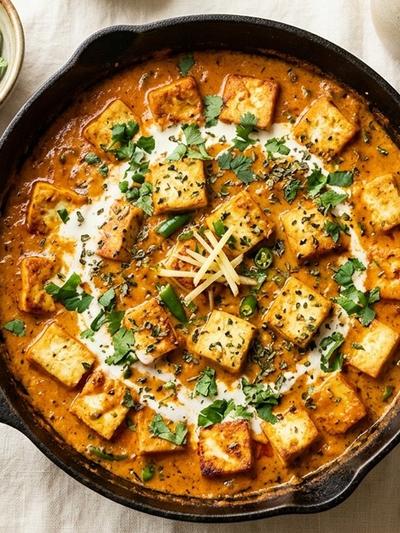
- Burner 3: Prepare your primary protein. For lacto-ovo, this might be a paneer butter masala (cube 400g paneer and simmer in sauce). For vegan prep, press and cube two blocks of extra-firm tofu, then pan-fry in coconut oil until golden on all sides — about 12 minutes total.
- Burner 4: Make a big batch of your base sauce. A coconut curry base works brilliantly: sauté 1 diced onion (use sparingly — about 4g net carbs for the whole batch divided by 5 servings), add 2 cans coconut cream, 2 tablespoons curry paste, and simmer for 15 minutes.
Phase 3: Pull, Cool, and Prep Sauces (0:45–1:15)
- Remove roasted vegetables and egg cups from the oven. Let everything cool to room temperature before storing — putting hot food in sealed containers creates condensation that makes things soggy.
- While things cool, prepare your daily variation sauces and toppings. This is assembly, not cooking:
- Crumble 200g feta into a container, add pitted Kalamata olives and a drizzle of olive oil (Mediterranean day).
- Mix 2 tablespoons chipotle in adobo with ½ cup sour cream or vegan cashew cream (Mexican day).
- Whisk together 3 tablespoons tamari, 1 tablespoon sesame oil, 1 teaspoon grated ginger, and 1 teaspoon rice vinegar (Asian day).
- Blend or buy a quality basil pesto — about ½ cup is enough for one day's meals (Italian day).
Phase 4: Assembly and Storage (1:15–1:45)
Now portion everything into containers. Use this approach:
- 5 lunch containers: Each gets a base of cauliflower rice (about 1.5 cups), a scoop of roasted vegetables, and a portion of protein (paneer, tofu, or a combination). Leave sauces separate — either in small containers or silicone cups placed inside the main container. This prevents sogginess.
- 5 breakfast containers: Each gets 2 egg muffins (or a scoop of chia seed pudding prepared the night before for variety), a portion of sautéed greens, and a fat source like half an avocado (add fresh each morning) or a tablespoon of nut butter.
- Dinner components: Store remaining cauliflower rice, roasted vegetables, protein, and sauces in separate larger containers. Dinners stay flexible — you'll assemble fresh each evening, which takes under 10 minutes when everything is prepped.
Phase 5: Bonus Prep (1:45–2:30)
If you have energy left, these extras make the week significantly easier:
- Make a batch of keto 90-second bread portions — mix the dry ingredients for 5 servings and store in individual bags. Each morning you just add the wet ingredients, microwave, and you have fresh bread in 90 seconds.
- Prepare snack portions: spicy roasted almonds in ¼-cup bags (about 3g net carbs, 15g fat per serving), cheese cubes, or chocolate peanut butter fat bombs that freeze beautifully.
- Wash and chop raw vegetables for quick snacks: celery sticks, cucumber rounds, and bell pepper strips stored in water in the fridge stay crisp for 5 days.
Total active time: 2 to 2.5 hours. That's less than 30 minutes of cooking per day if you spread it across the week — except you do it once and you're done.
The Master Grocery List
This list feeds one person for five days of breakfasts, lunches, and dinner components, targeting approximately 1,600–1,800 calories per day with a macro split of roughly 70% fat, 25% protein, and 5% net carbs (under 25g net carbs daily).
Produce
| Item | Amount | Approx. Cost |
|---|---|---|
| Cauliflower heads | 2 large | $5.00 |
| Baby spinach | 1 lb bag | $3.50 |
| Kale | 1 bunch | $2.50 |
| Zucchini | 3 medium | $3.00 |
| Broccoli crowns | 2 | $3.00 |
| Bell peppers | 3 | $3.50 |
| Mushrooms (cremini) | 16 oz | $3.50 |
| Avocados | 5 | $5.00 |
| Garlic | 1 head | $0.50 |
| Fresh ginger | 1 small piece | $0.75 |
| Limes | 3 | $1.50 |
| Fresh basil | 1 bunch | $2.50 |
Dairy & Eggs (Lacto-Ovo)
| Item | Amount | Approx. Cost |
|---|---|---|
| Eggs | 2 dozen | $6.00 |
| Paneer | 400g | $5.50 |
| Feta cheese | 200g | $4.00 |
| Mozzarella (shredded) | 8 oz | $3.50 |
| Heavy cream | 1 pint | $3.50 |
| Sour cream | 8 oz | $2.50 |
| Cream cheese | 8 oz | $3.00 |
| Butter | 4 oz | $1.50 |
Vegan Protein Alternatives
If you follow a vegan keto approach, swap the dairy section above for:
| Item | Amount | Approx. Cost |
|---|---|---|
| Extra-firm tofu | 2 blocks (28 oz total) | $4.00 |
| Coconut cream | 3 cans (13.5 oz each) | $6.00 |
| Nutritional yeast | 4 oz | $4.00 |
| Vegan cream cheese | 8 oz | $4.50 |
| Hemp hearts | 8 oz | $7.00 |
Check our vegetarian keto food list for a comprehensive breakdown of every ingredient that fits this lifestyle, including net carb counts per serving.
Pantry Staples
These items last for weeks or months, so your ongoing weekly cost drops significantly after the first shop:
- Avocado oil or extra virgin olive oil
- Coconut oil
- Sesame oil
- Tamari or coconut aminos
- Chipotle peppers in adobo sauce (one can lasts months in the freezer — freeze individual peppers on a sheet pan, then bag them)
- Curry paste (red or green)
- Almond flour (for 90-second bread and baking)
- Chia seeds
- Almonds and walnuts
- Za'atar spice blend
- Garam masala
- Cumin, turmeric, smoked paprika
- Salt, pepper, garlic powder
Estimated weekly grocery cost: $50–65 for the lacto-ovo version, $45–60 for vegan (prices vary by region). That's $10–13 per day for three meals and snacks — significantly cheaper than eating out or ordering keto delivery services.
Storage, Reheating, and Food Safety
Batch cooking only works if the food still tastes good on Friday. Here are the rules that keep everything fresh and safe:
Refrigerator storage (34–40°F):
- Cooked eggs: 5 days
- Cauliflower rice: 5 days
- Cooked greens: 5 days
- Roasted vegetables: 5 days
- Paneer in sauce: 4 days
- Cooked tofu: 5 days
- Sauces and dressings: 5–7 days
The golden rules:
- Cool before sealing. Let food reach room temperature (within 2 hours of cooking for food safety) before putting lids on containers. Trapped steam creates moisture that degrades texture and can promote bacterial growth.
- Separate wet from dry. Store sauces, dressings, and juicy components in separate small containers. Combine when reheating. This single habit is the difference between meal prep that tastes freshly made and meal prep that tastes like soggy leftovers.
- Glass over plastic. Glass containers don't absorb odors or stains, reheat evenly in the microwave, and last years. A set of 10 glass containers with snap lids (around $25–30) is the best investment you'll make for meal prep.
- Label everything. A strip of painter's tape and a marker is all you need. Write the contents and the day it's assigned to. This sounds fussy until you're staring at four identical containers on a Wednesday morning trying to remember which is Mediterranean and which is Mexican.
Reheating tips:
- Cauliflower rice reheats best in a dry skillet over medium heat for 3–4 minutes. Microwaving works but can make it slightly mushy.
- Egg muffins reheat in 30–45 seconds in the microwave. Wrap in a damp paper towel to prevent rubbery texture.
- Paneer and tofu reheat well in the microwave (1–2 minutes) or in a skillet with a splash of water or sauce.
- Roasted vegetables are best reheated in a 375°F oven or toaster oven for 5–7 minutes to restore crispness. The microwave makes them limp.
Scaling for Vegan Keto
Everything in this guide works for a fully vegan ketogenic diet with a few key adjustments. Hitting adequate protein without dairy or eggs requires more intentional planning, but it's absolutely doable. Our vegetarian keto protein sources guide dives deep into this topic.
Protein swaps at a glance:
- Eggs → Extra-firm tofu scramble seasoned with black salt (kala namak) for an eggy flavor, or Thai coconut sesame breakfast porridge with hemp hearts for a warm, high-fat morning option
- Paneer → Pressed extra-firm tofu or tempeh (watch carbs — tempeh has about 4g net carbs per 100g, but it's also packed with 19g protein)
- Cheese → Nutritional yeast (2 tablespoons = 4g protein, <1g net carb), coconut cream-based sauces, or cashew-based vegan cheese (make your own to control carbs)
- Heavy cream → Full-fat coconut cream (the thick part from a refrigerated can)
Vegan batch prep additions:
Dedicate 20 extra minutes on Sunday to these vegan-specific tasks:
Hemp heart "parmesan": Blend ½ cup hemp hearts, 2 tablespoons nutritional yeast, ½ teaspoon garlic powder, and ½ teaspoon salt in a food processor. This keeps for 2 weeks in the fridge and adds a cheesy, savory punch to any bowl. Per tablespoon: 3g protein, 4g fat, 0.3g net carbs.
Tofu "egg" muffins: Blend silken tofu with turmeric, black salt, nutritional yeast, and your choice of vegetables. Pour into greased muffin tins and bake at 375°F for 25 minutes. These hold up well for 4 days in the fridge.
Nut-based cream sauce: Soak ½ cup raw cashews for 2 hours (or boil for 15 minutes), then blend with ½ cup water, 1 tablespoon lemon juice, and salt. This base can be flavored with curry spices, chipotle, or herbs for different daily variations.
For vegan dinner inspiration, recipes like crispy miso-glazed tofu bowls with sesame bok choy or one-pan Thai basil coconut tofu both work brilliantly as batch-prep dinners. Cook a double portion on Sunday and you've covered two weeknight dinners without any additional effort.
Sample Week: What It Actually Looks Like on Your Plate
Here's a concrete example of how Sunday's prep translates into daily meals. This sample targets approximately 1,700 calories, 130g fat, 80g protein, and 22g net carbs per day for the lacto-ovo version.
Monday — Mediterranean
- Breakfast: 2 egg muffins + sautéed greens + ½ avocado drizzled with olive oil (480 cal, 40g fat, 20g protein, 4g net carbs)
- Lunch: Cauliflower rice bowl with roasted vegetables, feta, olives, and za'atar + olive oil dressing (520 cal, 42g fat, 18g protein, 7g net carbs)
- Dinner: One-skillet coconut za'atar eggs with feta and olives — keeping with the Mediterranean theme using prepped ingredients (540 cal, 44g fat, 24g protein, 6g net carbs)
- Snack: Cucumber cream cheese bites (160 cal, 14g fat, 4g protein, 2g net carbs)
Tuesday — Indian
- Breakfast: 2 egg muffins + sautéed greens + 1 tablespoon butter (460 cal, 38g fat, 20g protein, 3g net carbs)
- Lunch: Cauliflower rice with paneer butter masala and roasted broccoli (560 cal, 44g fat, 26g protein, 7g net carbs)
- Dinner: Cauliflower tikka masala using prepped cauliflower and roasted vegetables (500 cal, 40g fat, 16g protein, 8g net carbs)
- Snack: Fat bomb + ¼ cup spicy almonds (200 cal, 18g fat, 5g protein, 3g net carbs)
Wednesday — Mexican
- Breakfast: Chia pudding made with coconut cream + a few berries (380 cal, 30g fat, 8g protein, 5g net carbs)
- Lunch: Cauliflower rice burrito bowl with roasted peppers, chipotle sour cream, avocado, and cotija (580 cal, 48g fat, 18g protein, 7g net carbs)
- Dinner: Batch-prep coconut verde enchilada bowls with avocado crema — a purpose-built meal-prep recipe (520 cal, 42g fat, 20g protein, 6g net carbs)
- Snack: Keto guacamole with cheese crisps (180 cal, 16g fat, 6g protein, 3g net carbs)
Thursday — Asian
- Breakfast: 2 egg muffins + greens + sesame oil drizzle (470 cal, 38g fat, 20g protein, 4g net carbs)
- Lunch: Cauliflower rice stir-fry bowl with tofu, roasted vegetables, tamari-ginger glaze, and toasted sesame seeds (540 cal, 42g fat, 24g protein, 6g net carbs)
- Dinner: Batch-prep Japanese coconut curry tofu bowls with remaining prepped greens and cauliflower rice (520 cal, 40g fat, 22g protein, 7g net carbs)
- Snack: Celery with 2 tablespoons almond butter (170 cal, 15g fat, 4g protein, 2g net carbs)
Friday — Italian
- Breakfast: 2-ingredient cream cheese pancakes with butter — a quick treat to end the week (420 cal, 36g fat, 16g protein, 2g net carbs)
- Lunch: Cauliflower rice with pesto, mozzarella, sun-dried tomatoes, and roasted zucchini (560 cal, 46g fat, 22g protein, 6g net carbs)
- Dinner: Keto eggplant parmesan — use any leftover roasted vegetables as a side (540 cal, 42g fat, 24g protein, 7g net carbs)
- Snack: 1 oz walnuts + 1 oz cheese cubes (200 cal, 18g fat, 8g protein, 1g net carb)
Browse our full meal-prep recipe collection for more ideas that slot perfectly into this framework, or check out the 7-day vegetarian keto meal plan for an alternative weekly structure.
Troubleshooting Common Batch Prep Problems
"My cauliflower rice gets watery by mid-week." Squeeze it in a clean kitchen towel after cooking to remove excess moisture. Store in containers lined with a paper towel, which absorbs any liquid that leaches out over the week. Replace the paper towel on Wednesday if needed.
"I'm bored of the same breakfast." Rotate between egg muffins (Monday/Tuesday/Thursday), chia pudding (Wednesday), and cream cheese pancakes or a berry smoothie bowl (Friday). Starting your morning with bulletproof coffee can also help — the fat content keeps you satisfied, and you can push your first solid meal to lunch if you prefer intermittent fasting.
"The portions don't fill me up." Add more fat rather than more protein or carbs. An extra tablespoon of olive oil (120 cal, 14g fat) or a quarter avocado (80 cal, 7g fat) added to any meal increases satiety without affecting your carb count. If you consistently need more volume, increase the roasted vegetable portion — broccoli and zucchini are incredibly low in net carbs (about 2–4g per cup) and add bulk.
"I don't have time for even 2.5 hours on Sunday." Split it into two 75-minute sessions: Saturday evening for roasting vegetables and cooking grains/proteins, Sunday morning for sauce prep and assembly. Alternatively, explore under-30-minute recipes and one-pot meals for weeknights when batch prep doesn't happen.
"My family doesn't eat keto." Prep your keto components separately and let family members add their own carbs. The cauliflower rice bowl base works perfectly alongside regular rice or tortillas for non-keto eaters. The sauces, roasted vegetables, and proteins are delicious for everyone — keto or not.
Frequently Asked Questions
Can I freeze batch-prepped vegetarian keto meals?
Yes, most components freeze well for up to 3 months. Cauliflower rice, cooked greens, roasted vegetables, and paneer or tofu in sauce all freeze and reheat without significant quality loss. Freeze in single-serving portions for easy defrosting. The exceptions: egg muffins can become rubbery after freezing (they're better fresh from the fridge), and anything with raw avocado should not be frozen. Thaw overnight in the refrigerator and reheat in a skillet or oven for best results — microwaving from frozen often creates uneven hot and cold spots.
How do I adjust the macros if I need more or fewer calories?
The easiest lever to pull is fat. To increase calories by 200–300 per day, add an extra tablespoon of olive oil or coconut oil to two meals, or include an additional fat bomb as a snack. To decrease calories, reduce added oils and use leaner preparations — for example, baking paneer instead of pan-frying it saves about 5–8g of fat per serving. Avoid cutting protein below 60g per day, as that can lead to muscle loss. Our framework targets 1,600–1,800 calories, but you can scale it anywhere from 1,200 to 2,200 by adjusting fat portions up or down.
What containers work best for keto meal prep?
Glass containers with locking lids are the gold standard. Look for sets with multiple compartments — two or three sections per container let you keep sauces separate from dry components without needing extra small containers. Brands like Pyrex, Bayco, and Prep Naturals make affordable sets of 10 for $25–35. If you prefer lightweight options for commuting, BPA-free plastic containers work fine, but replace them every 6–12 months as scratches can harbor bacteria. Silicone sauce cups (about $8 for a set of 12) are invaluable for keeping dressings and wet toppings separate.
Is it safe to meal prep with tofu for 5 days?
Cooked tofu stored properly in an airtight container at 34–40°F is safe for up to 5 days. The key is making sure it cools to room temperature within 2 hours of cooking before refrigerating. If you notice any sour smell, slimy texture, or discoloration, discard it — but properly stored tofu rarely develops issues within the 5-day window. For extra assurance, you can cook tofu slightly past your preferred doneness; it will soften slightly when reheated but remains safe and palatable throughout the week.
Can I use this batch cooking system if I'm just starting vegetarian keto?
Absolutely — in fact, batch cooking is one of the best ways to succeed as a beginner because it removes daily decision-making during the adjustment period. Start with the lacto-ovo version, as eggs, cheese, and paneer make hitting protein targets much simpler. Use the first week as a trial run: follow the prep schedule exactly and note which meals you enjoyed and which need adjustment. By week three, you'll have a personalized rotation that feels effortless. If you need more foundational knowledge first, read our beginner's guide to vegetarian keto and vegetarian keto food list before your first prep session.