Nuts and seeds are arguably the most important pantry staples for anyone following a vegetarian ketogenic diet. They deliver fat, protein, fiber, and essential minerals in compact, shelf-stable packages — and for those of us who don't eat meat, they often serve as the structural backbone of entire meals. Ground almonds become pizza crusts. Flax and chia replace eggs in vegan baking. Walnuts transform into taco "meat." Hemp hearts top breakfast bowls with a clean 10 grams of protein per serving.
But here's the problem: not all nuts and seeds are created equal on keto. Cashews, for instance, pack 22 grams of net carbs per cup — enough to blow through an entire day's carbohydrate budget in a single handful of trail mix. Pistachios, another crowd favorite, come in at around 18 grams of net carbs per cup. Eat them mindlessly while watching a movie, and you'll easily consume 30–40 grams of carbs before you realize what happened.
On the flip side, pecans deliver just 1.2 grams of net carbs per ounce, making them one of the most keto-friendly foods that exist. Hemp hearts offer a remarkable protein-to-carb ratio that rivals eggs. And flaxseeds bring so much soluble fiber that their net carb count is effectively negligible.
This guide ranks every common nut and seed by their keto-friendliness, gives you exact portion sizes that fit a 20-gram daily carb target, explains the best ways to buy and store them for maximum freshness, and shows you how to put them to work in your vegetarian keto cooking. Whether you're lacto-ovo vegetarian or fully plant-based, this is the reference you'll keep coming back to.
The Keto Nut & Seed Tier List: From Best to Avoid
Understanding the macro profile of each nut and seed lets you make smarter choices without needing to look things up every time you snack. Here's a comprehensive ranking based on net carbs per 1-ounce (28g) serving — roughly a small handful.
Tier 1 — Keto Superstars (under 2g net carbs per ounce)
- Pecans: 1.2g net carbs, 20g fat, 2.6g protein. The undisputed keto champion. Their buttery flavor and high fat content make them ideal for crusts, toppings, and straight snacking.
- Brazil nuts: 1.3g net carbs, 19g fat, 4g protein. Just 2–3 nuts provide your entire daily selenium requirement (544% of the RDI). Don't eat more than 4–5 per day due to selenium toxicity risk.
- Macadamia nuts: 1.5g net carbs, 21g fat, 2.2g protein. The highest fat content of any nut at 75% fat by calories. Creamy, rich, and nearly zero-carb.
- Hemp hearts (hulled hemp seeds): 1.0g net carbs, 14g fat, 10g protein. The best protein-to-carb ratio on this list. Outstanding in breakfast porridges and smoothie bowls.
- Flaxseeds (ground): 0.2g net carbs, 12g fat, 5.2g protein. Almost all their carbohydrate is fiber. Essential for vegan keto baking as an egg replacement.
- Chia seeds: 0.4g net carbs, 9g fat, 4.7g protein. Another fiber powerhouse. Swell to 10x their size in liquid, making them perfect for puddings and thickening sauces.
Tier 2 — Solid Choices (2–4g net carbs per ounce)
- Walnuts: 2.0g net carbs, 18g fat, 4.3g protein. Highest plant-based omega-3 content of any nut. Excellent as a ground meat substitute in taco fillings.
- Almonds: 2.6g net carbs, 14g fat, 6g protein. The workhorse of keto baking. Almond flour is the foundation of fathead dough, keto naan, and countless other staples.
- Hazelnuts: 2.0g net carbs, 17g fat, 4.2g protein. Delicious paired with dark chocolate and espresso. Try them in Italian-inspired desserts.
- Pumpkin seeds (pepitas): 2.4g net carbs, 13g fat, 8.5g protein. Excellent protein content and a great source of magnesium and zinc — two minerals commonly deficient on keto.
- Sunflower seeds: 3.2g net carbs, 14g fat, 5.5g protein. An affordable, nut-free alternative for allergy-conscious households. Sunflower seed butter makes a solid peanut butter substitute.
- Sesame seeds: 2.6g net carbs, 14g fat, 5g protein. The base of tahini, which is indispensable in Mediterranean keto cooking.
Tier 3 — Use Sparingly (4–6g net carbs per ounce)
- Pine nuts: 3.7g net carbs, 19g fat, 3.9g protein. Expensive but irreplaceable in basil pesto. Use measured tablespoon portions.
- Pistachios: 5.0g net carbs, 13g fat, 6g protein. Beautiful color and flavor but carbs add up quickly. Limit to 1-ounce portions maximum.
- Peanuts: 3.8g net carbs, 14g fat, 7g protein. Technically a legume, but worth including here since most people categorize them with nuts. Peanut butter is fine in moderation — check labels for added sugar.
Tier 4 — Avoid or Strictly Limit (6g+ net carbs per ounce)
- Cashews: 7.6g net carbs, 12g fat, 5.2g protein. The highest carb nut. Even a small handful can eat up half your daily carb allowance.
- Chestnuts: 13g net carbs, 0.6g fat, 0.9g protein. Essentially a starchy food. Not keto-compatible in any meaningful quantity.
How Much Is Too Much? Portion Control That Actually Works
Even Tier 1 nuts can sabotage your macros if you eat without measuring. The core issue is caloric density: nuts and seeds range from 150 to 200 calories per ounce, and a "handful" typically contains 1.5 to 2 ounces — not the single ounce listed on nutrition labels.
Practical daily limits for staying under 20g net carbs:
If nuts and seeds are your only significant carb source in a meal, you can afford 2–3 ounces of Tier 1 options per day. But since you're also eating vegetables, cheese, and other foods with trace carbs, a safer target is 1.5–2 ounces total (about 40–55 grams) spread across the day.
Here's what that looks like in real terms:
- Pecans: 14 halves = 1 ounce
- Almonds: 23 whole almonds = 1 ounce
- Walnuts: 14 halves = 1 ounce
- Macadamia nuts: 10–12 nuts = 1 ounce
- Brazil nuts: 6 nuts = 1 ounce (but limit to 3–4 for selenium safety)
- Pumpkin seeds: 2.5 tablespoons = 1 ounce
Three strategies to prevent over-eating:
Pre-portion into small containers. Spend 10 minutes on your weekend batch cooking day dividing nuts into 1-ounce portions using snack bags or small jars. This single habit eliminates mindless over-consumption.
Choose in-shell varieties when snacking. Research from Eastern Illinois University found that people eat 41% fewer calories from pistachios when they have to shell them. The same principle applies to walnuts and peanuts in the shell.
Use nuts as ingredients rather than snacks. When almonds become the crust on your eggplant parmesan or walnuts get folded into a meatball bake, you naturally use controlled amounts. It's the bag-on-the-couch scenario that causes trouble.
Buying Smart: Quality, Price, and What to Look For
Not all nuts on the shelf are equal. Rancid, stale, or poorly sourced nuts taste bad and may contain oxidized fats that work against your health goals. Here's how to buy wisely.
Freshness indicators:
- Smell before buying when possible. Fresh nuts smell mildly sweet or neutral. Rancid nuts have a paint-like or bitter chemical odor.
- Check "best by" dates — nuts in transparent packaging degrade faster from light exposure. Opt for opaque bags or bulk bins with high turnover.
- Color matters: almonds should be uniformly tan (dark spots indicate age), walnuts should be golden-to-light-brown (dark walnuts are past their prime), and pecans should have a consistent amber tone.
Where to buy for the best value:
- Costco and warehouse clubs offer the best per-ounce pricing on almonds, pecans, walnuts, and macadamia nuts. A 2-pound bag of Kirkland pecans runs about $0.55/oz compared to $0.80–$1.00/oz at regular grocery stores.
- Bulk bins at natural food stores are excellent for small quantities of specialty items like hemp hearts, black sesame seeds, or raw pepitas. Just ensure the store has good turnover.
- Online retailers (Nuts.com, Amazon, Thrive Market) often have the widest selection of raw, organic, and specialty options. Buy in bulk during sales and freeze what you won't use within a month.
Raw vs. roasted:
Raw nuts have a longer shelf life and give you more flexibility in the kitchen. However, roasted nuts have slightly higher bioavailability of certain nutrients. The key concern on keto is added oils and flavorings — many roasted varieties include canola oil, sugar, or maltodextrin. If you buy roasted, choose dry-roasted with salt only, or better yet, roast your own at home at 325°F (165°C) for 8–12 minutes. For inspiration, try our spicy roasted almonds — the technique works for any nut.
The almond flour question:
Since almond flour is the foundation of so much keto baking, it deserves special attention. Blanched almond flour (made from skinless almonds) produces finer, lighter results than almond meal (made from whole almonds with skins). For recipes like almond flour dosa or 90-second bread, blanched flour is essential. Bob's Red Mill, Anthony's, and Kirkland (Costco) all produce reliable blanched almond flour. Expect to pay $4–$7 per pound. At that price, a single batch of keto pizza crust costs roughly $1.50 in almond flour.
Storage: How to Keep Nuts and Seeds Fresh for Months
The high fat content that makes nuts and seeds so valuable on keto is the same thing that makes them go rancid quickly. Polyunsaturated fats — abundant in walnuts, flaxseeds, and hemp hearts — are especially vulnerable to oxidation from heat, light, and air.
Room temperature storage (pantry):
- Whole, unshelled nuts: 3–6 months
- Whole, shelled raw nuts (pecans, almonds, macadamias): 1–3 months
- Shelled walnuts, pine nuts, hemp hearts: 2–4 weeks (these go rancid fastest)
- Ground flaxseed: 1 week (grind fresh or refrigerate immediately)
- Almond flour: 2–4 weeks in a cool pantry
Refrigerator storage (40°F / 4°C):
- All whole nuts: 6–9 months
- Almond flour, coconut flour: 6 months
- Ground flaxseed: 3–4 months
- Nut and seed butters (natural/no sugar): 3–6 months after opening
Freezer storage (0°F / -18°C):
- All whole nuts: 12–18 months
- Almond flour: 12 months
- Ground flaxseed: 6–9 months
- Chia seeds: 12+ months (these are remarkably stable due to antioxidant content)
Pro tips:
- Store in airtight glass jars or vacuum-sealed bags. Zip-top bags work but allow some air exchange.
- Frozen nuts don't need thawing for most uses. Toss them straight into a blender for smoothies, or spread on a sheet pan and they'll come to room temperature in 10 minutes for snacking.
- Label everything with the purchase date. A piece of masking tape and a marker takes three seconds and saves you from biting into a rancid pecan two months later.
- Buy whole nuts and grind as needed. Whole almonds stay fresh 3x longer than almond flour. A food processor or high-speed blender turns whole almonds into flour in 20–30 seconds.
Vegan Keto: Seeds Are Your Secret Weapon
If you're following a vegan keto approach, seeds deserve even more attention than nuts. While lacto-ovo vegetarians can lean on eggs and cheese for protein and fat, plant-based keto dieters need seeds to fill critical nutritional gaps.
Hemp hearts are non-negotiable. At 10g protein and just 1g net carbs per ounce, hemp hearts are the single best protein source available to vegan keto dieters after tofu and tempeh. They contain all nine essential amino acids, making them a complete protein — something few plant foods can claim. Sprinkle 2 tablespoons over cauliflower rice bowls, blend into smoothies, or use them as the protein base in savory breakfast bars.
Flax eggs for baking. Mix 1 tablespoon ground flaxseed with 3 tablespoons water, let it sit for 5 minutes, and you have a gel that mimics the binding properties of one egg. This is essential for vegan keto baking — use it in walnut breakfast muffins, seed crackers, and coconut donut holes.
Chia pudding as a meal prep staple. Combine ¼ cup chia seeds with 1 cup full-fat coconut milk and your sweetener of choice. Refrigerate overnight. In the morning, you have a 400-calorie breakfast with 24g fat, 10g protein, and under 3g net carbs. Make five jars on Sunday and you have breakfast handled for the week.
Critical minerals from seeds. Vegan keto dieters are at heightened risk for deficiencies in magnesium, zinc, and iron. Seeds address all three:
- Pumpkin seeds: 37% daily magnesium, 14% daily zinc per ounce
- Sesame seeds: 25% daily calcium, 23% daily iron per ounce
- Sunflower seeds: 30% daily vitamin E, 27% daily selenium per ounce
For a deeper dive into meeting your protein needs without animal products, check out our vegetarian keto protein sources guide, which covers combining seeds with tofu, tempeh, and other plant proteins for complete amino acid profiles.
Creative Ways to Use Nuts and Seeds Beyond Snacking
The real magic of nuts and seeds on vegetarian keto is their versatility as cooking ingredients. Here are the most useful techniques to master.
As flour replacements. Almond flour and coconut flour are the two pillars of keto baking, but don't stop there. Finely ground sunflower seeds make an excellent nut-free flour for those with allergies. Ground flaxseed (flax meal) adds binding and moisture to baked goods. A 70/30 blend of almond flour and ground golden flaxseed produces baked goods with better structure than either flour alone.
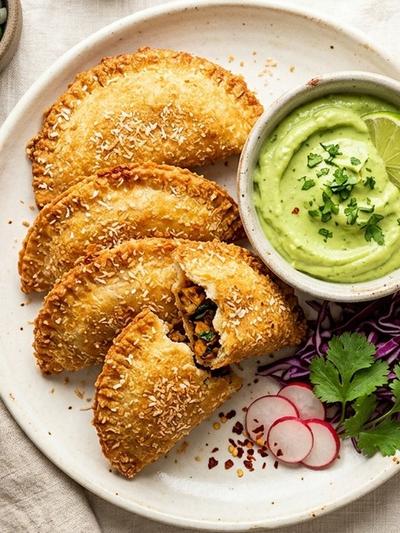
As breadcrumb coatings. Crushed pecans, almonds, or a blend of seeds create crispy coatings for fried or air-fried dishes. Finely chopped walnuts and almond flour make the crust on our walnut-crusted cauliflower steaks, while a dukkah blend of hazelnuts, sesame, and coriander coats eggplant steaks beautifully. Coconut flakes mixed with almond flour create the coating for coconut-crusted halloumi.
As dairy alternatives. Soaked raw cashews (yes, despite their higher carbs) blended with water create a cream sauce that works in small quantities — 2 tablespoons of cashew cream adds about 2.5g net carbs, which is manageable as a sauce component. Macadamia nuts blended with water make a rich, nearly zero-carb milk. Tahini (ground sesame) whisked with lemon juice creates a creamy dressing for Mediterranean bowls.
As meat substitutes. Pulsed walnuts mixed with mushrooms, soy sauce, and spices produce a ground-meat texture that works in tacos, bolognese, and meatball bakes. The combination of walnuts and hemp hearts in our BBQ meatloaf cups demonstrates just how convincing this technique can be.
As fat bombs and energy bites. Nut butters blended with coconut oil, cocoa powder, and a keto sweetener create fat bombs that satisfy sweet cravings while keeping you in ketosis. Roll them in crushed pecans or shredded coconut for texture.
As granola and cereal. Combine mixed nuts and seeds with coconut oil, cinnamon, and erythritol, then bake at 300°F (150°C) for 20–25 minutes. The result is a keto granola that tastes remarkably close to the real thing, with a fraction of the carbohydrates. Serve with unsweetened almond milk or full-fat coconut milk.
For more ideas on incorporating nuts and seeds into complete meals, browse our full recipe collection — you'll find them in everything from Indian curries to Italian desserts.