Cheese does more heavy lifting on vegetarian keto than on almost any other diet. Without meat, you are relying on cheese not just for flavor but for fat, protein, and the satisfying richness that keeps you from reaching for carbs at 3 p.m. The problem is that "cheese" is not one ingredient. It is hundreds of ingredients, each with a different macro profile, melting behavior, and shelf life. Grabbing the wrong block at the grocery store can quietly add carbs you did not plan for or leave you short on the fat you need.
Most keto guides treat cheese as a single line item. They tell you cheese is "keto-friendly" and move on. But the difference between a tablespoon of cream cheese (0.8 g carbs, 5 g fat) and a tablespoon of ricotta (0.9 g carbs, 1.6 g fat) matters when you are building meals around 20 g of net carbs per day. The type of cheese you choose affects everything from your ketone levels to your grocery bill.
This guide breaks down every major cheese category you will encounter as a vegetarian keto eater. You will get exact macro numbers per serving, practical storage advice, and specific ways to use each cheese in your cooking. If you are new to this way of eating, pair this guide with our Complete Guide to Vegetarian Keto and the Vegetarian Keto Food List for a complete foundation.
Whether you are stocking your fridge for the first time or trying to figure out why your "keto" cheese sauce keeps breaking, this is the reference you will keep coming back to.
Why Macros Vary So Much Between Cheeses
Not all cheese is created equal, and the differences come down to two things: moisture content and aging time.
Fresh cheeses like ricotta and cottage cheese retain a lot of whey, which contains lactose, a sugar. That lactose counts as carbohydrate. A half-cup of whole-milk ricotta has about 3.8 g of net carbs. That is not a disaster, but it is nearly 20% of a strict daily budget if you are aiming for 20 g.
Aged cheeses like Parmesan, aged cheddar, and Gruyere have had most of their lactose consumed by bacteria during the aging process. A 30 g serving of Parmesan contains roughly 0.9 g of net carbs. A 30 g serving of aged cheddar has about 0.4 g. The longer a cheese ages, the lower its carb count tends to be.
Fat content is the other major variable. Full-fat cheese is what you want on keto. A single ounce (28 g) of Brie delivers 8 g of fat, while the same amount of part-skim mozzarella gives you only 4.5 g. On a diet where 70-75% of calories come from fat, that difference compounds fast across a day of eating. For a deeper look at hitting your fat targets, the Vegetarian Keto Fats Guide covers the full picture.
Here is the rule of thumb: harder and older means fewer carbs, softer and fresher means more carbs. Keep that in mind and you can evaluate any cheese you pick up, even without a nutrition label.
The Best Cheeses for Vegetarian Keto, Ranked by Macros
Below are the most common cheeses you will use, organized by how well they fit a ketogenic macro profile. All values are per 28 g (1 oz) serving unless noted.
Tier 1: Daily Staples (Under 0.5 g Net Carbs Per Serving)
Aged Cheddar — 9.4 g fat, 7 g protein, 0.4 g net carbs. The workhorse of vegetarian keto. Melts well, snacks well, shreds easily. Buy blocks and shred yourself; pre-shredded cheddar contains potato starch or cellulose as an anti-caking agent, which adds hidden carbs. Try it in our Air Fryer Cheddar-Gruyere Cauliflower Tots for a satisfying side dish.
Gruyere — 9 g fat, 8.5 g protein, 0.4 g net carbs. Higher in protein than most cheeses, with a nutty depth that elevates any baked dish. Exceptional in quiche and gratins.
Parmesan (Parmigiano-Reggiano) — 7.3 g fat, 10 g protein, 0.9 g net carbs. Highest protein cheese on this list. A little goes far. Use it as a finishing cheese or bake it into Crispy Parmesan Cups with Whipped Ricotta for an elegant appetizer.
Brie — 8 g fat, 6 g protein, 0.1 g net carbs. Virtually zero carbs. The creamy interior is almost pure fat. Bake it whole, spread it on seed crackers, or pair it with walnuts for a quick high-fat snack.
Manchego — 8.9 g fat, 7.6 g protein, 0.5 g net carbs. Firm Spanish sheep's milk cheese with a sharp, butterscotch-like flavor. Ages beautifully and keeps for weeks once cut.
Tier 2: Regular Rotation (0.5-1.0 g Net Carbs Per Serving)
Mozzarella (whole milk) — 6.3 g fat, 6.3 g protein, 0.7 g net carbs. Essential for pizza, lasagna, and anything that needs a stretchy melt. The Batch-Prep Creamy Ricotta & Spinach Bake uses it as a golden, bubbly topping. Always choose whole milk over part-skim.
Cream Cheese — 9.8 g fat, 1.7 g protein, 1.0 g net carbs. High fat, minimal protein. The base for keto cheesecakes, fat bombs, and fathead dough. Two tablespoons give you roughly 100 calories and 9.8 g fat, making it one of the most efficient fat sources in your kitchen. It stars in the ever-popular Fathead Dough Keto Pizza.
Gouda — 7.8 g fat, 7 g protein, 0.6 g net carbs. Smoked Gouda adds depth to casseroles and egg bakes without extra effort. Aged Gouda (18+ months) drops even lower in carbs.
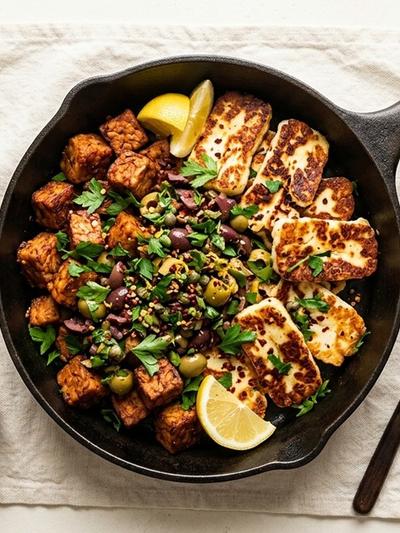
Halloumi — 7 g fat, 7 g protein, 0.7 g net carbs. The only cheese that truly grills and pan-fries without melting. A vegetarian keto essential for getting that seared, crispy-outside texture you miss from meat. Try it in Coconut-Crusted Halloumi with Olive Tapenade or the One-Pan Sumac Butter Eggs with Crispy Halloumi.
Provolone — 7.5 g fat, 7.3 g protein, 0.6 g net carbs. Mild, great melter. Works as a sandwich cheese replacement in lettuce wraps.
Tier 3: Use Intentionally (1.0-2.0 g Net Carbs Per Serving)
Feta — 6 g fat, 4 g protein, 1.2 g net carbs. Briny and bold, so you use less. Crumble it over salads and Mediterranean Cauliflower Rice Bowls rather than eating it in large quantities.
Goat Cheese (Chevre) — 6 g fat, 5.3 g protein, 1.0 g net carbs. Tangier than cream cheese with a similar spreadable texture. People who are mildly lactose intolerant often handle goat cheese better because it contains A2 casein protein.
Mascarpone — 13 g fat, 1.5 g protein, 0.5-1.5 g net carbs (varies by brand). The fattiest cheese on this list. Two tablespoons contain roughly 120 calories, almost entirely from fat. Brands vary more here than with any other cheese, so always check the label. It is magnificent in Mascarpone Espresso Mini Cheesecakes.
Blue Cheese — 8.2 g fat, 6.1 g protein, 0.7 g net carbs. Strong flavor means a small amount seasons an entire dish. Pair with walnuts (see our Nuts & Seeds Guide for the full breakdown) for a classic combination.
Tier 4: Use Sparingly (2.0+ g Net Carbs Per Serving)
Ricotta (whole milk) — 3.7 g fat, 3.2 g protein, 1.5 g net carbs per 1/4 cup. Adds creaminess to baked dishes but watch your portions. The carbs climb quickly if you are using it as a base rather than a garnish.
Cottage Cheese (full fat) — 2.3 g fat, 3.5 g protein, 1.2 g net carbs per 1/4 cup. Higher protein than most cheeses but also higher carbs and lower fat. Some people use it post-workout, but it is not ideal as a keto staple.
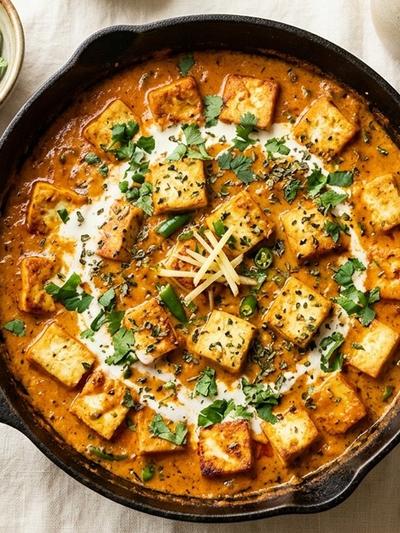
Paneer — 6.3 g fat, 6.3 g protein, 1.2 g net carbs. A cornerstone of Indian vegetarian keto cooking. The carbs come from residual lactose. If you make paneer at home by draining longer, you can reduce this slightly. Explore our Indian recipes for dozens of ways to use paneer, from Paneer Butter Masala to Palak Paneer.
How to Buy Cheese for Keto: What the Label Does Not Tell You
Grocery store cheese aisles are full of traps for keto eaters. Here is what to watch for.
Pre-shredded cheese contains anti-caking agents, usually potato starch, cellulose, or natamycin. A single cup of pre-shredded cheddar can have 2-3 g more carbs than the same amount shredded from a block. Buy blocks and shred at home. It takes 90 seconds with a box grater.
"Light" and "reduced-fat" cheese replaces fat with fillers, often increasing the carb count. On keto, full-fat is always the right choice. If the label says 2%, reduced-fat, or light, put it back.
Processed cheese (American cheese, Velveeta, cheese spreads) contains added sugars, milk solids, and starches. A single slice of American cheese has about 2 g of carbs and very little actual cheese.
Flavored cream cheese (strawberry, honey walnut, garden vegetable) almost always contains added sugar. Plain cream cheese is what you want. Add your own herbs, spices, or a few drops of liquid stevia if you need sweetness.
Check rennet type if it matters to you. Many cheeses use animal rennet (an enzyme from calf stomachs). If you are strictly lacto-ovo vegetarian, look for cheeses labeled "vegetarian rennet," "microbial rennet," or "vegetable rennet." Major brands like Organic Valley, Tillamook, and Cabot use microbial rennet in most of their lines. Parmesan by PDO definition uses animal rennet, but you can find non-PDO Parmesan-style cheeses made with vegetarian enzymes.
Buy in bulk strategically. Hard cheeses like cheddar, Gouda, and Parmesan keep for weeks when properly stored. Costco and warehouse stores sell 2-pound blocks of cheddar for roughly $5-7 per pound versus $8-10 per pound at regular grocery stores. Our guide to Vegetarian Keto on a Budget has more strategies for saving money without sacrificing quality.
Storing Cheese to Maximize Freshness and Minimize Waste
Cheese is a living food. Store it wrong and you get dried-out edges, mold in the wrong places, or a fridge that smells like a Parisian cave. Store it right and most cheeses last weeks longer than you would expect.
Hard cheeses (Parmesan, aged cheddar, Manchego, Gruyere): Wrap in wax paper or parchment paper first, then loosely in plastic wrap or place in a partially sealed zip-lock bag. The inner paper lets the cheese breathe while the outer layer prevents it from drying out. Stored this way, hard cheeses keep 4-6 weeks in the refrigerator. If mold appears on the surface, cut away 1 inch around and below the mold; the rest is safe to eat.
Semi-hard cheeses (Gouda, provolone, mozzarella blocks): Same wax-paper-then-plastic method. These keep 2-3 weeks after opening. Fresh mozzarella in liquid should be stored in its brine and used within 5-7 days.
Soft cheeses (Brie, goat cheese, cream cheese): Keep in their original packaging. Once opened, wrap tightly in plastic or transfer to an airtight container. Soft cheeses are more perishable: use within 1-2 weeks of opening. Cream cheese in foil wrappers keeps longer than tub-style because less surface area is exposed to air.
Halloumi and paneer: These semi-firm cheeses keep well in their brine (for halloumi) or submerged in water (for paneer) in the fridge. Change the water for homemade paneer every other day. Both last 1-2 weeks this way.
Freezing cheese: You can freeze hard and semi-hard cheeses for up to 6 months. The texture becomes more crumbly after thawing, which makes them better for cooking than snacking. Pre-shred before freezing for easy portioning. Soft cheeses do not freeze well, with one exception: cream cheese freezes adequately for use in baked recipes like cheesecakes and fat bombs, though it gets grainy if you try to spread it.
The cheese drawer exists for a reason. It maintains slightly higher humidity than the rest of the fridge, which prevents cheese from drying out while keeping it cool enough to slow bacterial growth. If your fridge has one, use it.
Cooking With Cheese: Techniques That Matter on Keto
When cheese is one of your primary protein and fat sources, knowing how to cook with it properly is not optional. A few techniques will transform your kitchen results.
Melting Without Breaking
When you heat cheese too fast or too hot, the fat separates from the protein and you get a greasy, stringy mess. The fix: low heat and patience. When making a cheese sauce, always bring cheese to room temperature before adding it. Add shredded cheese gradually to a warm (not boiling) liquid, stirring constantly. A splash of heavy cream stabilizes the emulsion.
Cheeses with the best melt, in order: Gruyere, Fontina, mozzarella, cheddar, Gouda. Cheeses that resist melting: halloumi, paneer, queso fresco. This is why halloumi works so well for grilling and pan-frying. The Batch-Prep Cheddar-Gruyere Broccoli Crustless Quiche showcases a perfect melting blend.
Crisping Cheese
Cheese crisps are one of the simplest keto snacks and a replacement for crackers and chips. Place small mounds of shredded Parmesan or cheddar on a parchment-lined baking sheet and bake at 200°C (400°F) for 5-7 minutes until golden and bubbling. Let them cool completely; they crisp as they cool. These are your vehicles for dips, and they pair beautifully with Keto Guacamole.
Cheese as a Binder
On keto without wheat flour, cheese steps in as a structural ingredient. Fathead dough (cream cheese + mozzarella + almond flour + egg) is the most famous example, but grated Parmesan can bind cauliflower rice into fritters, and ricotta firms up in baked goods where you need a tender crumb. Cream cheese adds moisture and density to keto baked goods without the carbs that sour cream or yogurt would add.
The Right Cheese for the Right Dish
Match your cheese to your cooking method:
- Baking and casseroles: Cheddar, Gruyere, mozzarella, Fontina. These melt smoothly and create a golden crust. Explore our meal-prep recipes for dozens of casserole ideas that freeze and reheat well.
- Stuffing vegetables: Cream cheese, goat cheese, ricotta. Soft cheeses pipe and spread easily into peppers, mushrooms, and zucchini boats. The Air Fryer Chipotle Cream Cheese Stuffed Mini Peppers is a crowd favorite.
- Salads and cold dishes: Feta, blue cheese, shaved Parmesan, goat cheese. These add flavor without needing heat.
- Frying and grilling: Halloumi, paneer. Only these two hold their shape at high heat.
- Desserts: Cream cheese, mascarpone, ricotta. Each brings a different texture: cream cheese is dense, mascarpone is silky, ricotta is light and grainy.
Vegan Keto Cheese Alternatives
If you follow a vegan keto approach, cheese is the ingredient you will work hardest to replace. The good news is that plant-based options have improved significantly, though they require more label-reading.
Nutritional Yeast
This is your Parmesan replacement. Two tablespoons of nutritional yeast provide 3 g of protein, 0.5 g of fat, and about 1 g of net carbs, along with a cheesy, umami flavor. It will not melt or stretch, but sprinkled over dishes it fills the same flavor role. Many of our vegan keto recipes use it as a finishing touch.
Nut-Based Cheese
Cashew-based cream cheese and macadamia cheese are the best texturally, but cashews are relatively high in carbs (about 8 g net carbs per ounce). Use sparingly or opt for macadamia-based versions (1.5 g net carbs per ounce). You can also make simple cheese sauces by blending soaked macadamias with nutritional yeast, lemon juice, garlic, and a pinch of salt. For more on choosing low-carb nuts, check the Nuts & Seeds Guide.
Coconut-Based Cheese
Commercial coconut-based cheeses (like Violife or Miyoko's) vary wildly in carb content. Some contain added starches that push them to 3-5 g of net carbs per serving. Always check labels. Coconut cream itself can replace cream cheese in many recipes: chill a can of full-fat coconut cream overnight, scoop the solid layer, and whip it. It works in desserts, fat bombs, and dips.
Seed-Based Cheese
Hemp seed and sunflower seed cheeses are emerging as nut-free, lower-carb options. A simple hemp Parmesan (hemp hearts + nutritional yeast + garlic powder + salt, pulsed in a food processor) keeps for two weeks in the fridge and costs a fraction of store-bought alternatives.
What Vegan Cheese Cannot Do
Be realistic about what plant-based cheese can and cannot deliver. No vegan cheese melts and stretches like mozzarella. No vegan cheese develops the complex flavor of 18-month-aged Gruyere. What vegan cheese can do is add creaminess, saltiness, and umami to dishes where the cheese is one of many flavors, not the star. Build your vegan keto cooking around whole foods and bold seasonings, and use vegan cheese as a supporting player rather than asking it to carry the dish.
Building Cheese Into Your Daily Macros
For a typical vegetarian keto day targeting 1,600 calories (120 g fat, 80 g protein, 20 g net carbs), cheese can realistically supply 30-40% of your fat and 25-35% of your protein. Here is what that looks like in practice:
Breakfast: 2 eggs scrambled with 30 g of shredded cheddar and 1 tablespoon of cream cheese stirred in. That is 14 g fat and 16 g protein from the cheese and eggs alone. Browse our breakfast recipes for more ideas built around this template.
Lunch: A large salad with 45 g of crumbled feta, olives, olive oil, and a base of mixed greens. The feta provides 9 g fat and 6 g protein.
Dinner: Keto Eggplant Parmesan with 60 g of mozzarella melted on top. That is 13 g fat and 13 g protein from the cheese.
Snack: 30 g of aged cheddar with a small handful of macadamia nuts. That adds 9.4 g fat and 7 g protein.
Total cheese contribution for the day: roughly 45 g fat and 42 g protein from about 165 g (5.8 oz) of cheese across four different types. That leaves plenty of room for other fat sources like olive oil, avocado, and coconut cream.
If digestive comfort is a concern when eating this much dairy, the guide to fixing digestive issues on vegetarian keto has specific strategies for dairy-related bloating.
Track your cheese. It is easy to mindlessly graze on cheese throughout the day and overshoot your calories by 300-500 without realizing it. Pre-portion your cheese for the day, especially if weight loss is your goal. The vegetarian keto plateau guide covers this and other common stalling factors.
Frequently Asked Questions
How much cheese can I eat per day on vegetarian keto?
There is no universal limit, but most people do well with 85-170 g (3-6 oz) of cheese per day, spread across meals. This keeps calories in check while giving you meaningful fat and protein. If you are eating closer to 6 oz, monitor your weight trend and digestion. Some people find that eating more than about 115 g of cheese daily stalls their weight loss, not because of the carbs but because cheese is extremely calorie-dense. A single ounce of cheddar is 113 calories. Six ounces is nearly 680 calories, which could be 40% of a daily budget. Weigh your cheese with a kitchen scale for the first few weeks until you can estimate portions by sight.
Is cheese inflammatory, and should I worry about it on keto?
Research on cheese and inflammation is mixed. Some studies show that fermented dairy (including aged cheese) has a neutral or slightly anti-inflammatory effect, partly due to the beneficial bacteria and bioactive peptides produced during aging. Full-fat cheese also contains conjugated linoleic acid (CLA), which has shown modest anti-inflammatory properties in some studies. However, if you have a dairy sensitivity or intolerance, cheese can absolutely trigger inflammation for you personally. The test is simple: remove all dairy for two weeks, then reintroduce cheese and monitor how you feel. If you experience bloating, joint stiffness, or skin breakouts within 48 hours of reintroduction, consider reducing your cheese intake and leaning on other fat sources like avocado, olive oil, and coconut cream.
Which cheeses are safe for people with lactose intolerance?
Most aged cheeses are naturally very low in lactose because bacteria consume the lactose during the aging process. Parmesan, aged cheddar (12+ months), Gruyere, Manchego, and aged Gouda all contain less than 0.5 g of lactose per serving, which most lactose-intolerant people tolerate without symptoms. Butter and ghee are also essentially lactose-free. The cheeses to avoid are fresh ones: ricotta, cottage cheese, fresh mozzarella, and cream cheese all retain more lactose. Goat and sheep milk cheeses (goat cheese, Manchego, Roquefort) are sometimes tolerated better than cow milk cheese even at equivalent lactose levels, possibly due to differences in casein structure. Start with hard aged cheeses and test your tolerance gradually.
Can I use cheese on keto if I am trying to lose weight, or will it slow me down?
Cheese can absolutely be part of a successful keto weight-loss plan, but portion control is critical. Cheese is one of the easiest foods to overeat because it tastes good, requires no preparation, and does not trigger strong satiety signals the way protein-rich whole foods do. The people who stall on keto while eating cheese are almost always eating more of it than they realize. The fix is simple: weigh it out, log it in your tracker, and treat it as a measured ingredient rather than a free-for-all snack. Prioritize high-fat, high-flavor cheeses like aged cheddar and Parmesan so that smaller amounts feel satisfying. If your weight loss has stalled, try reducing cheese to one or two servings per day for two weeks and see if things start moving again.
What are the best vegetarian rennet cheeses I can buy at a regular grocery store?
Several widely available brands use microbial (vegetarian) rennet. In the US, Cabot, Tillamook, Organic Valley, and most Whole Foods 365 brand cheeses use non-animal rennet. Sargento uses microbial enzymes in their natural cheese lines. For cream cheese, Philadelphia and most store brands use microbial rennet. For Parmesan, true Parmigiano-Reggiano is always made with animal rennet by law, but BelGioioso makes a domestic Parmesan with vegetarian rennet that works well for grating and cooking. Trader Joe's labels their cheeses clearly with "vegetable rennet" when applicable. In the UK and EU, cheese labeled "suitable for vegetarians" uses non-animal rennet by regulation. When in doubt, check the ingredient list for "microbial enzymes," "vegetable rennet," or "non-animal enzymes," and avoid anything listing simply "enzymes" or "rennet" without qualification.