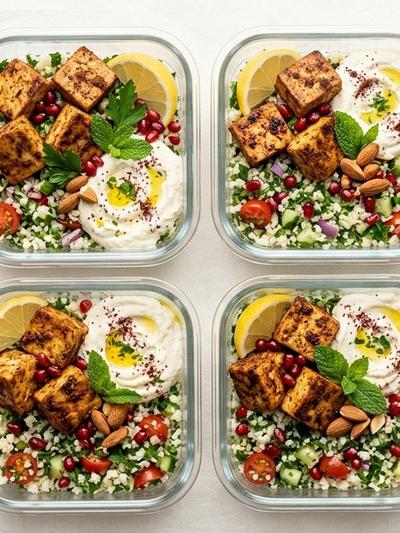
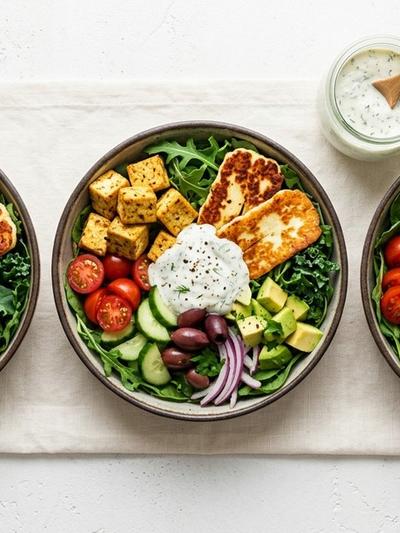
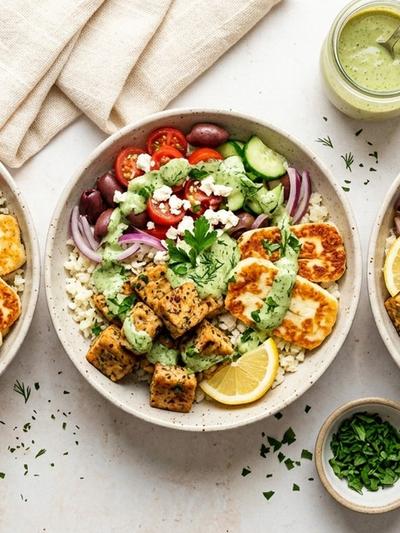
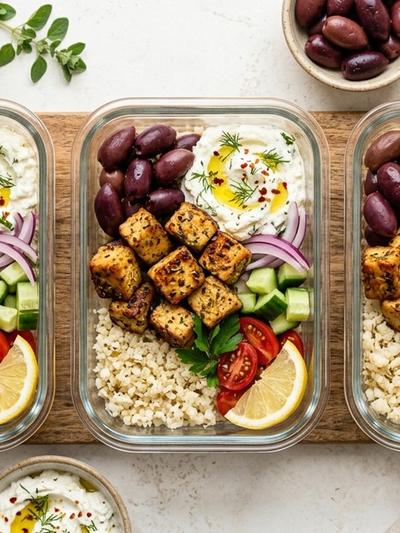
Imagine biting into a crispy, golden falafel that shatters against your teeth and gives way to a warm, herb-flecked center rich with toasted walnuts and earthy hemp hearts. Now picture that nestled in a bowl alongside briny kalamata olives, cool cucumber, crumbled feta, and a silky lemon-tahini dressing that ties everything together. These grain-free falafel bowls deliver the bold, sun-drenched flavors of the Eastern Mediterranean without a single gram of flour or chickpea in sight. They are everything a keto lunch should be — satisfying, deeply flavorful, and worth looking forward to all morning.
Each serving packs roughly 58 grams of fat and just 8 grams of net carbs, keeping you squarely in ketosis while delivering the kind of satiety that carries you through the afternoon without a crash. The walnut-hemp combination provides 22 grams of complete protein along with a generous dose of omega-3 fatty acids, making these bowls as nutritionally dense as they are delicious. Fat accounts for over 75% of the calories here — textbook ketogenic ratios.
Best of all, these bowls are designed for batch cooking. You bake a full tray of falafel on Sunday, assemble four containers, and have lunches ready for the workweek. The falafel stay crisp when stored properly, the vegetables hold up beautifully in the fridge, and the tahini dressing only improves as the flavors meld. Pack the dressing on the side and you have a meal-prep lunch that tastes freshly made on day five.
Ingredients (serves 4)
For the walnut-hemp falafel (makes 16):
- 1 cup (120g) raw walnuts, roughly chopped
- ½ cup (56g) almond flour
- ¼ cup (40g) hemp hearts
- 2 tablespoons (14g) ground golden flaxseed
- 1 large egg, lightly beaten
- 2 tablespoons (30ml) extra virgin olive oil
- 2 cloves garlic, minced
- 1 teaspoon ground cumin
- 1 teaspoon ground coriander
- ½ teaspoon smoked paprika
- ½ teaspoon fine sea salt
- ¼ teaspoon freshly ground black pepper
- 2 tablespoons fresh flat-leaf parsley, finely chopped
For the lemon-tahini dressing:
- 3 tablespoons (45g) tahini (well stirred)
- 3 tablespoons (45ml) extra virgin olive oil
- 2 tablespoons (30ml) fresh lemon juice
- 1 small clove garlic, finely grated
- 2 tablespoons warm water
- ¼ teaspoon fine sea salt
- Pinch of ground cumin
For the bowls:
- 4 cups (120g) mixed greens or baby spinach
- 1 medium cucumber (about 200g), diced
- 24 kalamata olives (about 100g), halved
- 6 oz (170g) feta cheese, crumbled
- 2 tablespoons (16g) raw sesame seeds, toasted
- Fresh mint leaves, for garnish (optional)
Instructions
Toast the walnuts. Preheat your oven to 375°F (190°C) and line a large baking sheet with parchment paper. Spread the chopped walnuts on a separate small tray or corner of the sheet and toast for 5 minutes until fragrant and lightly golden. Remove and let cool for a few minutes. Keep the oven on.
Make the falafel mixture. Transfer the toasted walnuts to a food processor and pulse 8–10 times until they reach a coarse, crumbly texture — you want small pieces, not walnut butter. Add the almond flour, hemp hearts, ground flax, cumin, coriander, smoked paprika, salt, black pepper, and parsley. Pulse 5–6 more times to combine. Transfer the mixture to a bowl, add the minced garlic, beaten egg, and olive oil, and stir until a cohesive dough forms that holds together when squeezed. Let the mixture rest for 5 minutes so the flax absorbs moisture.
Shape and bake. Using a tablespoon measure, scoop the mixture and roll into 16 compact balls, pressing firmly so they hold their shape. Place them on the parchment-lined baking sheet, spacing them about an inch apart. Gently flatten each ball to about ¾-inch (2cm) thick — this helps them crisp evenly. Bake for 20 minutes, flipping once at the 12-minute mark, until deep golden brown on both sides and firm to the touch.
Whisk the dressing. While the falafel bake, combine the tahini, olive oil, lemon juice, grated garlic, warm water, salt, and cumin in a small jar or bowl. Whisk vigorously (or shake in the sealed jar) until smooth and pourable. If the dressing seems too thick, add another tablespoon of warm water. Taste and adjust lemon juice or salt as needed.
Toast the sesame seeds. In a dry skillet over medium heat, toast the sesame seeds for 2–3 minutes, stirring frequently, until golden and fragrant. Transfer immediately to a small dish to stop the cooking.
Assemble the bowls. Divide the mixed greens evenly among four meal-prep containers or bowls. Top each with one quarter of the diced cucumber, 6 halved olives, and about 1.5 ounces of crumbled feta. Place 4 falafel in each container. Sprinkle with toasted sesame seeds and fresh mint if using. Store the dressing in a small separate container or pour it into the corner of each bowl if eating immediately.
Store for the week. Seal the containers and refrigerate for up to 5 days. Keep the dressing separate until ready to eat for the crispiest falafel. The falafel can also be reheated in a 350°F (175°C) oven for 5–7 minutes or in an air fryer at 350°F for 3–4 minutes to restore their crunch.
Nutrition per Serving
| Nutrient | Amount |
|---|---|
| Calories | ~680 kcal |
| Fat | ~58g |
| Protein | ~22g |
| Total Carbs | ~14g |
| Fiber | ~6g |
| Net Carbs | ~8g |
Nutrition values are approximate and may vary based on specific brands and ingredient measurements used.
Tips & Variations
Don't over-process the walnuts. The texture of these falafel depends on keeping the walnut pieces coarse and varied. Pulse the food processor in short bursts and stop as soon as you see a crumbly, slightly chunky mixture. If you process them into a paste, the falafel will be dense and oily rather than crisp and textured.
Swap the feta for halloumi if you want a heartier bowl. Slice 8 ounces of halloumi into ½-inch planks and pan-fry in a dry skillet over medium-high heat for 2 minutes per side until golden. Halloumi holds up beautifully in meal-prep containers and can be eaten cold or reheated. The swap adds a few more grams of protein while keeping net carbs comparable.
Watch out for hidden carbs in store-bought tahini. Some brands add sugar, honey, or seed oils to their tahini. Check labels and look for tahini with just one ingredient: sesame seeds. Soom, Seed + Mill, and Trader Joe's organic tahini are all reliable single-ingredient options that keep the carb count honest.
Freeze the falafel for longer storage. Bake the full batch, let them cool completely, then freeze in a single layer on a sheet pan. Once solid, transfer to a freezer bag where they will keep for up to 2 months. Reheat from frozen in a 375°F (190°C) oven for 10–12 minutes — no thawing needed. This makes it easy to double the recipe and build two weeks of lunches in one session.
Add a fat boost with avocado or extra olive oil. If you are targeting higher fat macros for deep ketosis, add half a sliced avocado to each bowl — this adds roughly 12 grams of healthy fat and only 2 grams of net carbs. Alternatively, drizzle an extra tablespoon of good olive oil over the finished bowl for 14 grams of pure fat with zero carbs.