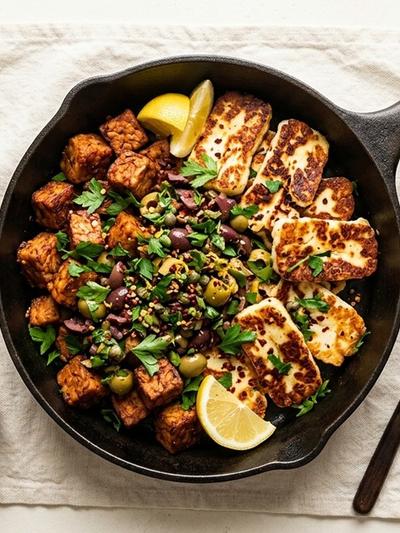
Starting a ketogenic diet is a significant metabolic shift. Starting a vegetarian ketogenic diet? That's a double challenge. You're not just slashing carbs — you're doing it without the crutch of bacon, steak, and chicken breast that dominates most keto advice online.
The good news: thousands of vegetarians have successfully made this transition, and the first 30 days follow a remarkably predictable pattern. Once you know what's coming — the energy dip in week one, the cravings that peak around day four, the breakthrough clarity that usually arrives by week three — you can plan for each phase instead of being blindsided by it.
This guide walks you through your first month day by day and week by week. It's not a rigid meal plan (we have a full 7-day vegetarian keto meal plan for that). Instead, think of this as your field manual: what to expect physically, what to prioritize nutritionally, which mistakes to avoid at each stage, and how to know you're on track.
Whether you're lacto-ovo vegetarian or fully vegan, this roadmap applies. I'll call out vegan-specific adjustments along the way. If you haven't already, read our complete guide to vegetarian keto for the fundamentals — then come back here for the tactical, week-by-week execution plan.
Before Day 1: The Setup Week
Your first 30 days actually start before day one. Spending 2–3 days preparing your kitchen, your pantry, and your mindset will dramatically increase your odds of sticking with it.
Clear out the carb triggers. Go through your pantry and refrigerator. You don't have to throw everything away — box it up, give it to a friend, or move it to a shelf you won't see daily. The items that derail vegetarian keto beginners most often: bread, pasta, rice, potatoes, sugary yogurt, granola bars, and fruit juice. If it has more than 8g net carbs per serving and you'll be tempted to grab it, remove it from your line of sight.
Stock your keto foundation ingredients. Your shopping list for week one should include:
- Fats: Extra-virgin olive oil, coconut oil, butter or ghee (or coconut cream for vegan), avocados, MCT oil
- Proteins: Eggs (if lacto-ovo), firm tofu, tempeh, paneer or halloumi, full-fat cheese
- Vegetables: Spinach, zucchini, cauliflower, broccoli, bell peppers, mushrooms, leafy greens
- Pantry staples: Almond flour, coconut flour, chia seeds, hemp hearts, flaxseed meal, nuts (almonds, walnuts, pecans), sugar-free nut butter
- Electrolytes: Lite salt (potassium chloride), magnesium glycinate supplements, bone broth or vegetable broth with added sodium
For a comprehensive list, bookmark our vegetarian keto food list — it covers every category in detail.
Set your macros. For most vegetarian keto beginners, start here:
- Net carbs: 20–25g per day (strict, but this gets you into ketosis fastest)
- Protein: 0.8–1.0g per pound of lean body mass (this is higher than many keto guides suggest, but vegetarians need to be intentional about protein)
- Fat: Fill the remaining calories (typically 65–75% of total calories)
For a 1,800-calorie target, that works out to roughly 22g net carbs, 90–110g protein, and 130–145g fat.
Download a tracking app. Cronometer or Carb Manager both have strong vegetarian food databases. You'll track everything for at least the first two weeks. Yes, everything — even the splash of cream in your coffee.
Week 1 (Days 1–7): The Transition
This is the hardest week. Your body is switching from burning glucose to burning fat, and it will protest. Here's what to expect and how to handle it.
Days 1–2: The honeymoon. You'll feel motivated and energized. Meals feel novel. Enjoy this — it's real, but it won't last the whole week. Use this energy to batch-cook some staples. A cauliflower rice base and a batch of keto egg muffins will save you on days 4 and 5 when cooking feels like a chore.
Days 3–5: The keto flu. Somewhere around day 3 or 4, many people experience fatigue, headaches, brain fog, irritability, or mild nausea. This is colloquially called "keto flu," and it's primarily an electrolyte issue — not a sign that something is wrong. As your insulin drops, your kidneys flush sodium and water at a much higher rate.
The fix is simple and specific:
- Sodium: Add 1–2 teaspoons of salt to your food and drinks throughout the day (aim for 4,000–5,000mg total sodium). Sip salted broth between meals.
- Potassium: Use lite salt on food, eat avocado daily (one medium avocado has ~700mg potassium), and include spinach or Swiss chard.
- Magnesium: Take 200–400mg magnesium glycinate before bed. This also helps with sleep disruption, which is common in week one.
Days 5–7: Stabilization begins. The worst symptoms should ease. You might not feel amazing yet, but you'll feel functional. Your appetite will likely decrease noticeably — this is normal and a sign that your body is starting to access fat stores.
Week 1 meal strategy: Keep it dead simple. Don't try elaborate recipes. Eat eggs scrambled in butter with cheese and spinach. Have avocado with everything. Make a one-skillet caprese frittata for dinner. Snack on cheese cubes and nuts. The goal is compliance, not culinary creativity. You'll have time for interesting recipes once you're fat-adapted.
Common week 1 mistakes:
- Not eating enough fat (your body needs fuel during the transition — don't restrict calories yet)
- Not supplementing electrolytes (this single mistake causes most people to quit)
- Trying to exercise intensely (walk, stretch, do yoga — save the HIIT for week 3 or 4)
- Panic-eating carbs when you feel bad on day 4 (the discomfort is temporary)
Week 2 (Days 8–14): Finding Your Rhythm
By week two, the acute discomfort is usually gone. Now the real work begins: building sustainable habits and dialing in your nutrition.
What changes this week: Your energy should stabilize, though it might not feel as high as your pre-keto baseline yet. Sugar and bread cravings will still show up but with less intensity. You might notice you're less hungry overall and can go longer between meals — some people naturally drift toward two meals a day.
Focus: protein optimization. This is the week to really scrutinize your protein intake. Pull up your tracking app and look at your daily averages from week one. Many vegetarian keto beginners discover they're only hitting 50–60g of protein when they need 90+. This matters because inadequate protein leads to muscle loss, persistent fatigue, and hair thinning down the road.
Our vegetarian keto protein sources guide breaks down every option in detail, but here are the highest-impact protein sources by net carb efficiency:
| Food | Protein | Net Carbs | Ratio |
|---|---|---|---|
| Eggs (2 large) | 12g | 1g | 12:1 |
| Firm tofu (100g) | 17g | 1g | 17:1 |
| Tempeh (100g) | 20g | 4g | 5:1 |
| Paneer (100g) | 18g | 3g | 6:1 |
| Hemp hearts (30g) | 10g | 1g | 10:1 |
| Halloumi (60g) | 13g | 1g | 13:1 |
Start exploring recipes. Now that the survival phase is over, add variety. Try an air fryer paneer tikka for dinner or a palak paneer that hits both your fat and protein targets. If you're craving bread, the keto 90-second bread is a game-changer — 2 minutes and you have a warm, bread-like base for butter or avocado.
Start reading labels obsessively. By this point, you'll notice hidden carbs everywhere: that "sugar-free" yogurt with 9g carbs from lactose, the pre-made salad dressing with added sugar, the seasoning blend with cornstarch. Week two is when you build the label-reading habit that becomes second nature by month two.
Week 2 check-in questions:
- Am I hitting at least 80g of protein daily? (Check your tracking app)
- Am I still supplementing electrolytes? (Yes, keep going — this isn't just a week-one thing)
- Am I drinking enough water? (Aim for 2.5–3.5 liters per day)
- Have my cravings decreased compared to week one? (They should have — if not, check if you're eating enough fat)
Week 3 (Days 15–21): Early Fat Adaptation
This is where things get interesting. Most people enter a noticeable new phase around days 14–18. You might wake up one morning and realize your brain feels... clearer. Sharper. This isn't placebo — it's your brain efficiently using ketones for fuel.
Signs you're becoming fat-adapted:
- Sustained energy without afternoon crashes
- Reduced hunger and longer gaps between meals feel natural
- Improved mental clarity and focus
- Workouts start feeling normal again (or even better)
- Less interest in sugary foods — they may even smell overly sweet
This is the week to expand your cooking repertoire. You've earned it. Browse our recipe collection and try something new. The batch-prep categories are especially useful now — you can spend a Sunday afternoon making a batch-prep cheddar-Gruyère broccoli crustless quiche and a batch-prep sesame-ginger paneer bowl and have lunches sorted for the workweek. Our weekend batch cooking guide walks through the full process.
Introduce intermittent fasting — but only if it feels natural. Many people in week three find they're simply not hungry in the morning. If that's you, don't force breakfast. A bulletproof coffee or matcha coconut cream latte in the morning and a first meal at noon is a pattern that works well for many vegetarian keto followers. But if you're hungry at 7 AM, eat. There's no prize for unnecessary restriction.
Watch for the "too much dairy" trap. By week three, lacto-ovo vegetarians often realize their diet has become cheese-and-eggs-with-a-side-of-cheese. While dairy is a valuable keto tool, over-reliance can cause digestive issues (see our guide on fixing digestive issues on vegetarian keto) and may stall weight loss for some people. Aim to get your fats from diverse sources — avocados, olive oil, coconut products, nuts and seeds. Our fats guide breaks down the ideal ratios.
Week 4 (Days 22–30): Settling In
Welcome to the final stretch of your first month. By now, vegetarian keto should feel less like a "diet" and more like a way of eating. The mechanical parts — knowing what to eat, reading labels, hitting macros — are becoming automatic.
Fine-tune your approach. Pull up your month's data in your tracking app and look for patterns:
- Which days did you go over on carbs? What triggered it?
- Are there specific times of day when cravings hit? (Usually 3–4 PM — have a plan ready, like a handful of spicy roasted almonds or cucumber cream cheese bites)
- How's your fiber intake? Most vegetarian keto eaters should aim for 15–25g daily from low-carb sources like flaxseed, chia seeds, leafy greens, and avocado.
Consider loosening your tracking. If your macros have been consistent for two weeks, you might not need to log every bite anymore. Many people transition to "lazy keto" at this point — keeping net carbs under 25g without weighing and measuring everything. Others prefer the structure of tracking. Both approaches work. Do what keeps you consistent.
Assess your results. After 30 days, take stock honestly:
- Energy: Is it higher, lower, or the same as pre-keto? (Most people report higher and more stable energy)
- Weight: If weight loss is a goal, 4–10 pounds in the first month is typical (much of the initial loss is water weight, which is normal)
- Digestion: Has your gut settled? If not, check that you're eating enough fiber and fermented foods
- Mood and focus: Most people notice improved mental clarity by day 30
- Sustainability: Can you see yourself eating this way long-term? If not, what specific barriers do you need to address?
Vegan Keto: Adjustments for Your First 30 Days
Everything above applies to you, with a few critical modifications.
Protein is your #1 challenge. Without eggs and dairy, you're relying on tofu, tempeh, hemp hearts, seitan (if gluten isn't a concern), and protein-dense nuts and seeds. You'll likely need to be even more intentional about hitting your protein targets. Aim for at least two of these at every meal. Try our air fryer chipotle-cumin tofu steaks with avocado salsa verde or a one-pan Thai basil coconut tofu for satisfying, protein-forward meals. Browse our full vegan keto recipe collection for more options.
Fat sources shift. Instead of butter and cheese, lean into coconut oil, MCT oil, avocado, olive oil, tahini, coconut cream, nut butters, and cacao butter. The good news: these are all excellent keto fats. The challenge: they require more cooking creativity since you can't just "add cheese" to everything.
B12 supplementation is non-negotiable. If you're not already supplementing, start now. A ketogenic diet doesn't change your B12 needs, but the transition period can mask B12 deficiency symptoms (fatigue, brain fog) because they overlap with keto flu symptoms.
Consider a vegan keto protein powder. A hemp or pea protein isolate with no added sugar can help you bridge the protein gap. Look for products with fewer than 2g net carbs per serving.
Electrolyte needs are the same. Sodium, potassium, and magnesium remain critical. Use lite salt, eat avocados, and supplement magnesium just like lacto-ovo keto followers.
What Comes After Day 30
Congratulations — you've completed the hardest part. Full fat adaptation typically takes 4–8 weeks, so you're well on your way but not quite there yet. Here's what to focus on in months two and three:
Month 2: Optimization. Experiment with your carb threshold. Some people can go up to 30–35g net carbs and stay in ketosis. Test gradually — add 5g per day for a week and see how you feel. You might also explore cyclical approaches where you eat slightly higher carbs (50–75g) on heavy training days.
Month 3: Autopilot. By month three, most vegetarian keto followers have a personal rotation of 10–15 meals they love and can prepare without thinking. You've found your go-to snacks, your preferred fats, and your protein strategy. Tracking becomes optional for most people. This is also when the long-term benefits — stable energy, reduced inflammation, improved metabolic markers — become most apparent.
Never stop learning. Your needs will change with seasons (check out our spring seasonal produce guide for ideas), with travel (our vegetarian keto travel guide has you covered), and with your evolving health goals. The foundation you build in these first 30 days makes everything else possible.
The single most important thing? Don't aim for perfection. Aim for consistency. A month of 90% compliance beats a week of 100% compliance followed by quitting. You've got this.
Frequently Asked Questions
How do I know if I'm actually in ketosis during my first 30 days?
The most reliable sign is a combination of reduced appetite, increased mental clarity, and sustained energy between meals — usually appearing around days 14–18. If you want measurable confirmation, urine ketone strips (available at any pharmacy for about $8–10) work well in the first 2–3 weeks. They become less reliable over time as your body gets more efficient at using ketones. Blood ketone meters (like the Keto-Mojo) are the gold standard — readings between 0.5 and 3.0 mmol/L indicate nutritional ketosis. However, you don't need to test. If you're eating under 25g net carbs consistently, you're almost certainly in ketosis by day 5–7.
I'm losing weight too fast in week one — should I be worried?
No. Rapid weight loss in the first 5–7 days is almost entirely water weight. When you reduce carbs drastically, your body depletes its glycogen stores. Each gram of glycogen is stored with 3–4 grams of water, so losing 3–6 pounds of water weight in the first week is completely normal. Your rate of actual fat loss will stabilize to a more moderate pace (typically 1–2 pounds per week) starting in week two or three. If you're losing more than 2 pounds per week after the initial water drop, make sure you're eating enough calories — under-eating is a common beginner mistake, especially among vegetarians who are still learning their keto food options.
Can I do vegetarian keto if I don't like tofu or tempeh?
Absolutely. While tofu and tempeh are convenient protein sources, they're not required. Lacto-ovo vegetarians can build their protein around eggs (the single most versatile keto protein), paneer, halloumi, full-fat Greek yogurt (in small portions — check carbs), cottage cheese, and whey protein powder. Combine these with protein-rich seeds like hemp hearts (10g protein per 30g serving) and you can easily hit 90–100g of protein daily without any soy products. For specific ideas, our vegetarian keto protein sources guide covers every non-soy option in detail.
What should I do if I accidentally eat too many carbs during my first month?
First, don't panic. A single high-carb meal won't erase your progress. If you've been in ketosis and you eat 50–80g of carbs in one sitting, you'll temporarily exit ketosis. Your body will return to burning ketones within 24–48 hours if you resume eating under 25g net carbs. Don't try to "compensate" by fasting or drastically cutting calories the next day — just go back to your normal keto meals. If this happens in week one, it may extend the keto flu period by a day or two. If it happens in week three or four, the disruption is usually minimal because your body is already becoming metabolically flexible. The key lesson: consistency over the month matters far more than perfection on any single day.
Is it normal to feel constipated during the first few weeks of vegetarian keto?
Yes, temporary constipation is one of the most common side effects during the transition period, typically appearing in days 3–10. It happens for several reasons: you're eating less fiber than before (most people's fiber comes from grains, beans, and fruit — all high-carb), you're losing more water through increased urination, and your gut bacteria are adjusting to your new macronutrient ratios. To address it: increase your water intake to at least 3 liters daily, add 2 tablespoons of ground flaxseed or chia seeds to meals, eat leafy greens at every meal, supplement magnesium glycinate (which has a mild laxative effect), and consider adding a tablespoon of MCT oil to your morning coffee. For most people, digestion normalizes by the end of week two. If issues persist beyond that, our detailed guide on fixing digestive issues on vegetarian keto covers advanced troubleshooting strategies.