Protein is the macro that vegetarian keto dieters worry about most, and for good reason. Without meat, poultry, and fish — the foods that most keto guides rely on for protein — you need to be more intentional about where your protein comes from. The good news is that there are plenty of excellent vegetarian protein sources that fit within keto macros. If you are just getting started, our vegetarian keto beginners guide covers the basics. The key is knowing which ones to prioritize, how to combine them, and how much you actually need.
This guide ranks every major vegetarian protein source by its protein-to-net-carb ratio, gives you practical daily targets, and shows you how to hit those targets consistently without blowing your carb budget.
Why Protein Matters on Keto
Protein is not just about building muscle (though it certainly does that). On a ketogenic diet, protein plays several critical roles:
Preserving lean muscle mass. When you are in a caloric deficit and burning fat for fuel, adequate protein signals your body to hold onto muscle tissue rather than breaking it down. This is especially important if you are using keto for weight loss — you want to lose fat, not muscle.
Satiety and appetite control. Protein is the most satiating macronutrient. It triggers hormones like peptide YY and GLP-1 that tell your brain you are full. Including enough protein at each meal helps you naturally eat less without feeling deprived.
Thermic effect. Your body burns more calories digesting protein than digesting fat or carbs. About 20-30% of protein calories are used just processing the protein itself, compared to 5-10% for carbs and 0-3% for fat. This gives you a slight metabolic advantage.
Essential amino acids. Your body cannot make nine amino acids on its own — you must get them from food. Animal proteins contain all nine in adequate amounts (they are "complete" proteins). Most plant proteins are low in one or more, which means vegetarians need to eat a variety of protein sources or choose the few plant sources that are complete.
Gluconeogenesis concerns. You may have heard that "too much protein kicks you out of ketosis" because your body converts excess protein into glucose. This is technically true but wildly overstated. Gluconeogenesis is a demand-driven process, not a supply-driven one. Eating 100-120 grams of protein per day will not kick you out of ketosis. Do not let this myth scare you into under-eating protein.
How Much Protein Do You Need?
The right protein target depends on your body composition, activity level, and goals.
General Guidelines
| Body Type / Goal | Protein Target |
|---|---|
| Sedentary, weight loss | 0.6-0.8g per pound of lean body mass |
| Moderately active | 0.8-1.0g per pound of lean body mass |
| Very active / strength training | 1.0-1.2g per pound of lean body mass |
| Muscle building | 1.0-1.4g per pound of lean body mass |
How to calculate lean body mass: Estimate your body fat percentage (online calculators, mirrors, or a DEXA scan) and subtract it from your total weight. If you weigh 70 kg (154 lbs) and estimate 25% body fat, your lean body mass is about 52.5 kg (116 lbs).
Practical Examples
- 60 kg (132 lb) person, 25% body fat, sedentary: Lean mass = 45 kg (99 lb). Target: 60-80g protein/day.
- 75 kg (165 lb) person, 20% body fat, moderately active: Lean mass = 60 kg (132 lb). Target: 106-132g protein/day.
- 90 kg (198 lb) person, 30% body fat, strength training: Lean mass = 63 kg (139 lb). Target: 139-167g protein/day.
For most vegetarian keto dieters, a daily target of 70 to 100 grams is a practical and achievable range. If you are consistently getting under 60 grams, you are likely under-eating protein and should make adjustments.
The Complete Protein Ranking Table
Every major vegetarian keto protein source, ranked by the ratio of protein to net carbs. The best foods give you the most protein for the fewest carbs.
| Food | Serving | Protein | Net Carbs | Fat | Calories | Protein:Carb Ratio |
|---|---|---|---|---|---|---|
| Egg whites | 3 whites (100g) | 11g | 1g | 0g | 52 | 11:1 |
| Whole eggs | 2 large (100g) | 13g | 1g | 10g | 143 | 13:1 |
| Parmesan | 28g | 10g | 1g | 7g | 110 | 10:1 |
| Seitan | 100g | 25g | 4g | 2g | 130 | 6:1 |
| Halloumi | 100g | 25g | 0g | 25g | 320 | 25:0 (excellent) |
| Paneer | 100g | 25g | 1g | 20g | 290 | 25:1 |
| Swiss/Emmental | 28g | 8g | 1g | 8g | 108 | 8:1 |
| Gruyere | 28g | 8g | 0g | 9g | 117 | 8:0 (excellent) |
| Cheddar | 28g | 7g | 0g | 9g | 113 | 7:0 (excellent) |
| Gouda | 28g | 7g | 1g | 8g | 101 | 7:1 |
| Nutritional yeast | 16g (2 tbsp) | 8g | 1g | 1g | 45 | 8:1 |
| Hemp seeds (hulled) | 30g (3 tbsp) | 10g | 1g | 15g | 175 | 10:1 |
| Tempeh | 100g | 20g | 4g | 11g | 195 | 5:1 |
| Tofu (extra-firm) | 100g | 17g | 2g | 9g | 155 | 8.5:1 |
| Greek yogurt (full-fat) | 170g | 17g | 7g | 8g | 170 | 2.4:1 |
| Cottage cheese (full-fat) | 100g | 11g | 3g | 4g | 98 | 3.7:1 |
| Mozzarella | 28g | 6g | 1g | 6g | 85 | 6:1 |
| Feta | 28g | 4g | 1g | 6g | 75 | 4:1 |
| Peanut butter (natural) | 32g (2 tbsp) | 8g | 4g | 16g | 190 | 2:1 |
| Almond butter | 32g (2 tbsp) | 7g | 3g | 18g | 196 | 2.3:1 |
| Almonds | 28g | 6g | 3g | 14g | 164 | 2:1 |
| Pumpkin seeds | 28g | 7g | 3g | 13g | 153 | 2.3:1 |
| Chia seeds | 28g | 5g | 2g | 9g | 137 | 2.5:1 |
| Edamame | 80g (1/2 cup) | 9g | 4g | 4g | 95 | 2.3:1 |
| Cream cheese | 28g | 2g | 1g | 10g | 99 | 2:1 |
| Walnuts | 28g | 4g | 2g | 18g | 185 | 2:1 |
| Lupini beans | 100g | 16g | 2g | 3g | 100 | 8:1 |
| Flax seeds (ground) | 14g (2 tbsp) | 3g | 0g | 6g | 74 | excellent |
Top Tier (Best Ratio — Prioritize These)
The foods with the highest protein-to-carb ratios are your daily staples:
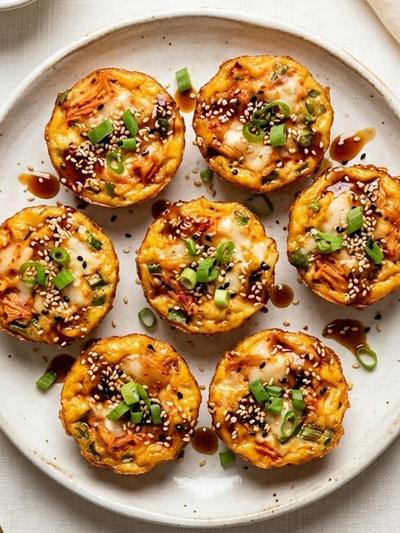
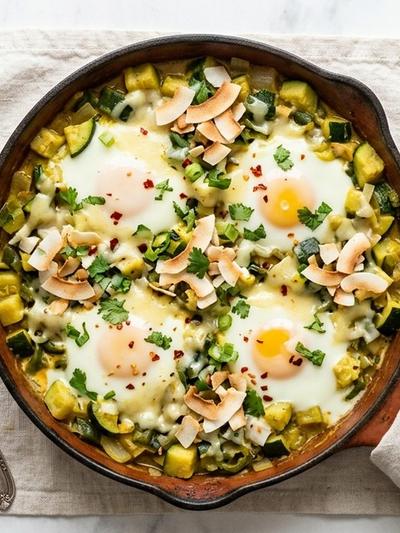
Eggs — The undisputed champion. Two eggs give you 13g of complete protein with essentially zero carbs. Eat them daily, multiple times a day if you want. Scrambled, fried, poached, hard-boiled, in omelets like our Spinach Gruyere Omelet, in Keto 90-Second Bread — the options are endless.
Hard cheeses (Parmesan, cheddar, Swiss, Gruyere) — These deliver 7-10g of protein per small serving with 0-1g of net carbs. Parmesan is the protein king of the cheese world at 10g per ounce.
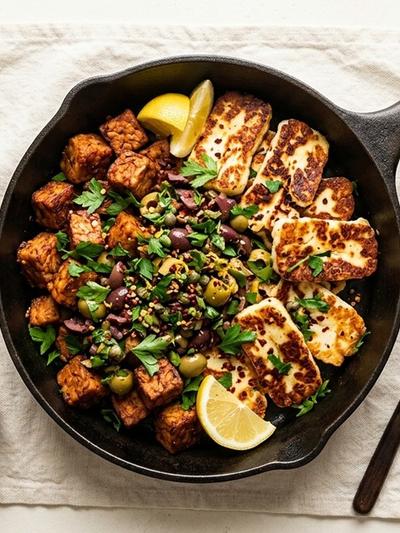
Paneer and halloumi — Indian and Mediterranean cooking superstars. Paneer gives you 25g of protein per 100g with just 1g carb — try it in a classic Palak Paneer. Halloumi is similar and grills beautifully. Both are complete proteins.
Seitan — The highest-protein plant food on this list at 25g per 100g. Made from vital wheat gluten, so it is not suitable for celiac or gluten-sensitive individuals. But if you tolerate gluten, seitan is unmatched for protein density on a vegan keto diet.
Hemp seeds — A complete plant protein with 10g per 3 tablespoons and only 1g net carb. Sprinkle them on everything — salads, smoothies, cauliflower rice, yogurt — or use them in a batch of Keto Granola.
Middle Tier (Good Sources — Include Regularly)
Tofu (extra-firm) — 17g protein per 100g with 2g net carbs. Press it well, marinate it, and crisp it up in a pan for the best texture — our Sesame Ginger Tofu Stir-Fry is a great starting point. Extra-firm has more protein than silken tofu.
Tempeh — 20g protein per 100g with 4g net carbs. The fermentation makes it easier to digest than regular soy and adds beneficial probiotics. Slice thin and pan-fry until crispy.
Nutritional yeast — 8g protein per 2 tablespoons with only 1g net carb. Tastes cheesy, making it essential for vegan keto sauces and seasonings. Also a great source of B vitamins.
Greek yogurt (full-fat, plain) — 17g protein per 170g, but comes with 7g net carbs. Use it strategically — it is a great protein source but the carbs add up quickly. Always choose unsweetened.
Cottage cheese (full-fat) — 11g protein per 100g with 3g net carbs. Less glamorous than cheese, but great mixed into recipes or eaten with a few berries.
Lower Tier (Supplementary — Use as Additions)
Nut butters (almond, peanut) — Decent protein (7-8g per 2 tablespoons) but higher in carbs (3-4g) and very calorie-dense. Use as flavor additions rather than primary protein sources.
Nuts (almonds, pumpkin seeds) — Similar profile to nut butters. Good for snacking — like our Spicy Roasted Almonds — and adding texture, but portion control is essential.
Chia and flax seeds — More valued for their fiber and omega-3 content than their protein, but every gram counts.
Protein Combining for Vegetarians
The concept of "protein combining" — eating complementary proteins at the same meal to form a complete amino acid profile — was popularized in the 1970s but has been somewhat overblown. Current nutritional science shows that you do not need to combine complementary proteins at every single meal. As long as you eat a variety of protein sources throughout the day, your body can pool amino acids and use them as needed.
That said, understanding which amino acids each food group provides helps you build balanced meals:
Amino Acid Profiles at a Glance
| Food Group | Strong In | Weak In |
|---|---|---|
| Eggs | All 9 essential amino acids | (Complete protein) |
| Dairy (cheese, yogurt) | All 9 essential amino acids | (Complete protein) |
| Soy (tofu, tempeh, edamame) | All 9 essential amino acids | (Complete protein) |
| Hemp seeds | All 9 essential amino acids | Lysine (present but lower) |
| Nuts and tree seeds | Methionine, cysteine | Lysine |
| Legumes (lupini) | Lysine | Methionine |
| Seitan (wheat gluten) | Most amino acids | Lysine |
Practical takeaway: If you eat eggs and/or dairy daily, you are getting all essential amino acids in abundance. If you eat vegan keto, make sure to include soy products (tofu, tempeh) regularly alongside nuts, seeds, and seitan to cover all amino acid bases.
Smart Combinations
These pairings naturally complement each other's amino acid profiles:
- Tofu + hemp seeds — Soy covers lysine, hemp adds methionine. Use in Keto Green Smoothie or a Sesame Ginger Tofu Stir-Fry.
- Seitan + soy sauce — Soy sauce's small soy content adds the lysine that seitan lacks.
- Nuts + dairy — Cheese and yogurt provide the lysine that nuts are short on. A cheese and walnut snack is both delicious and protein-complete.
- Chia seeds + nutritional yeast — Chia's amino acids complement nutritional yeast nicely. Add both to a smoothie bowl.
What a High-Protein Keto Day Looks Like
Here is an example day hitting 95 grams of protein while staying under 20g net carbs:
| Meal | Food | Protein | Net Carbs |
|---|---|---|---|
| Breakfast | 3-egg omelet with 30g cheddar and spinach (Spinach Gruyere Omelet) | 25g | 1g |
| Lunch | 150g tofu stir-fry with cauliflower rice | 28g | 5g |
| Snack | 30g hemp seeds + 28g Parmesan | 20g | 2g |
| Dinner | 120g paneer curry with vegetables (Cauliflower Tikka Masala) | 22g | 6g |
| Total | 95g | 14g |
That is 95 grams of protein from entirely vegetarian sources, with only 14 grams of net carbs. It requires zero supplements, zero protein powders, and no exotic ingredients. For a full week of meals like this, see our 7-day vegetarian keto meal plan.
Protein Supplements — When and What
Whole foods should always be your primary protein source. But supplements can be useful in specific situations:
When to Consider a Supplement
- You consistently cannot hit your protein target from food alone
- You exercise intensely and need fast-absorbing protein post-workout
- You eat vegan keto and find it hard to get enough variety
- You are in a hurry and need a quick protein hit
Best Keto-Friendly Protein Powders
| Type | Protein per Scoop | Net Carbs | Best For |
|---|---|---|---|
| Whey protein isolate | 25-30g | 1-2g | Lacto-ovo keto, post-workout |
| Casein protein | 25g | 1-2g | Slow-release, before bed |
| Pea protein isolate | 20-25g | 1-2g | Vegan keto |
| Hemp protein | 12-15g | 2-3g | Vegan keto, whole food option |
| Egg white protein | 25g | 0-1g | Dairy-free but not vegan |
| Collagen peptides | 10-15g | 0g | Not a complete protein (no tryptophan) |
Tips for choosing: Look for products with no added sugar, minimal ingredients, and less than 3g net carbs per serving. Avoid products with maltodextrin, dextrose, or large amounts of sugar alcohols. Unflavored versions are usually the cleanest.
How to Use Protein Powder on Keto
- Blend into a Keto Green Smoothie for a post-workout recovery drink
- Mix with cream cheese and almond flour for high-protein keto pancakes
- Stir into full-fat Greek yogurt for a protein-boosted snack
- Add to chia pudding for overnight protein loading
Common Protein Mistakes on Vegetarian Keto
Mistake 1: Thinking you do not need much protein because "keto is about fat." Fat is your fuel source, but protein is what maintains and builds your body. They serve different functions. You need adequate amounts of both.
Mistake 2: Counting only "primary" protein. Vegetables, nuts, and seeds all contribute small amounts of protein that add up. A cup of broccoli has 3g of protein. Two tablespoons of hemp seeds have 10g. A cup of cauliflower rice has 2g. When you add these up across a full day of meals, they contribute meaningfully to your total.
Mistake 3: Eating the same protein source at every meal. If you eat eggs three times a day and nothing else, you are getting plenty of certain amino acids but missing out on the micronutrient variety that comes from diverse protein sources. Rotate between eggs, cheese, tofu, tempeh, seeds, and nuts throughout the week.
Mistake 4: Avoiding protein because of gluconeogenesis fears. As mentioned earlier, your body does not automatically convert excess protein into sugar. Gluconeogenesis is a demand-driven process. You would need to eat extreme amounts of protein (well over 200g per day) while eating essentially no fat to even begin to worry about this. Eat your protein confidently.
Mistake 5: Relying on protein bars. Most commercial protein bars are loaded with sugar alcohols, fiber additives, and hidden carbs. Many will spike your blood sugar despite their "net carb" marketing claims. Stick to whole foods whenever possible. If you need a portable protein source, Egg Salad Lettuce Wraps, cheese sticks, and pre-portioned nuts are better options.
Frequently Asked Questions
Can I get enough protein on vegetarian keto without supplements?
Absolutely. A well-planned day of vegetarian keto eating can easily provide 80-100g of protein from whole foods alone. Three eggs at breakfast (18g), a tofu-based lunch (20g), cheese and hemp seed snacks (15-20g), and a paneer or tempeh dinner (20-25g) gets you to 73-83g without any supplements. Add a serving of Greek yogurt or an extra egg anywhere and you are well over 80g.
Is soy safe to eat regularly on keto?
For most people, yes. The concerns about soy and estrogen have been largely debunked by research. Soy contains phytoestrogens (isoflavones), which are structurally similar to human estrogen but much weaker. Meta-analyses of clinical studies show that moderate soy consumption (2-3 servings per day) does not affect testosterone levels in men or cause hormonal issues in women. Fermented soy products (tempeh, natto) may offer additional digestive benefits. However, if you have a soy allergy or thyroid condition, consult your doctor.
Which cheese has the most protein?
Parmesan wins at roughly 10g of protein per 28g serving. It is also aged and very low in lactose, making it easy to digest. Other high-protein cheeses include Swiss/Emmental (8g), Gruyere (8g), cheddar (7g), and Gouda (7g). Softer cheeses like brie (6g) and cream cheese (2g) have less protein per ounce.
How do I know if I am eating too much protein?
For the vast majority of people on keto, eating too much protein is not a practical concern. You would need to consistently eat over 200-250g of protein per day — essentially living on nothing but lean protein — to risk gluconeogenesis affecting ketosis. If your ketone levels are stable and you feel good, your protein intake is fine. The far more common problem is eating too little protein, not too much.
What about protein quality — does it matter that plant proteins are "incomplete"?
It matters, but less than you might think. The term "incomplete protein" means a food is low in one or more of the nine essential amino acids. But as long as you eat a variety of protein sources across the day — not necessarily at the same meal — your body gets all the amino acids it needs. Soy (tofu, tempeh) and hemp seeds are actually complete proteins on their own. If you eat eggs or dairy, the point is moot since these are also complete proteins.
Can I build muscle on vegetarian keto?
Yes, but it requires more attention to protein intake and timing than a meat-based keto diet. Aim for the higher end of the protein range (1.0-1.2g per pound of lean body mass), distribute protein across 3-4 meals, and include a source of complete protein (eggs, dairy, soy) at each meal. Resistance training is essential — your muscles need a stimulus to grow, and protein provides the raw materials. Many successful bodybuilders and athletes follow vegetarian or even vegan diets. The key is consistency and adequate total protein intake, not any specific animal protein.