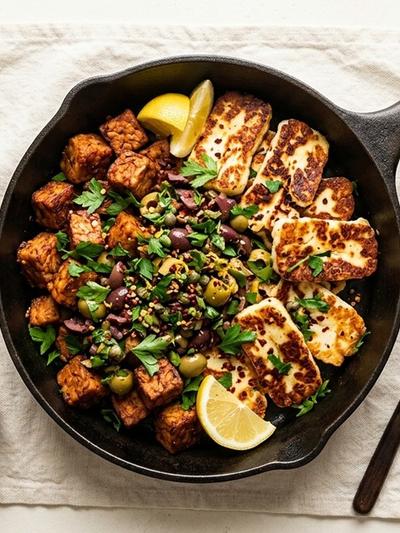
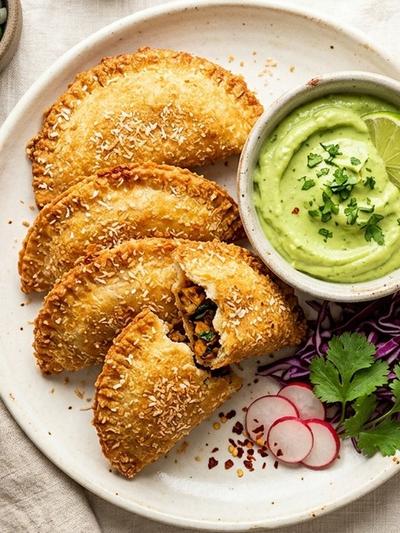
Why Vegetarian Keto Gets an Unfair Reputation for Being Expensive
Browse any keto forum long enough and you will find someone insisting that vegetarian keto is prohibitively expensive. They point to the almond flour, the specialty cheeses, the avocados at $2.50 each. And honestly, if you shop without a plan, they are not wrong. Tossing random low-carb ingredients into your cart adds up fast.
But here is the thing most people miss: vegetarian keto eliminates some of the priciest items in any grocery budget. You are not buying grass-fed steaks, wild-caught salmon, or organic chicken breasts. The protein sources that anchor a vegetarian keto plate — eggs, tofu, tempeh, cheese, nuts, and seeds — are consistently cheaper per gram of protein than quality meat. A dozen large eggs costs around $3 and delivers 72 grams of protein. A 14-ounce block of extra-firm tofu runs $2–3 and packs about 40 grams of protein with only 4 grams of net carbs.
The real budget trap on vegetarian keto is not the diet itself. It is buying specialty products you do not need, wasting perishable produce, and failing to plan meals around what is actually affordable in your area. Once you learn to sidestep those pitfalls, eating vegetarian keto for $50–75 per week for one person is completely realistic — and you will not be eating sad salads every night.
This guide breaks down exactly how to get there. We will cover the cheapest high-fat, low-carb staples, show you how to plan meals that stretch your budget, and share strategies that save money without making your diet feel like a chore. Whether you follow a lacto-ovo approach or a fully vegan keto plan, these numbers and strategies apply.
The 15 Cheapest Vegetarian Keto Staples (Price per Serving)
Before you can build budget-friendly meals, you need to know which ingredients give you the most nutritional value per dollar. Here are the staples that should form the backbone of your weekly shopping, ranked by approximate cost per serving. Prices reflect US averages as of early 2026, though your local costs may vary.
Eggs — $0.25–0.35 per serving (2 eggs). At roughly 12g protein, 10g fat, and less than 1g net carbs, eggs are the single best value on vegetarian keto. Buy the largest quantity you will use before expiration. A tray of 30 from a warehouse club often drops below $0.20 per egg. If you need breakfast inspiration, recipes like cheddar jalapeño egg bites turn a carton of eggs into multiple days of meals.
Coconut oil — $0.10–0.15 per tablespoon. A 30-ounce jar costs $7–9 and lasts weeks. Pure fat, zero carbs, shelf-stable for months.
Butter — $0.12–0.18 per tablespoon. Buy store-brand unsalted in bulk and freeze the extras. One pound yields 32 tablespoons and typically costs $4–5.
Tofu (extra-firm) — $0.50–0.75 per 3.5-ounce serving. Incredibly versatile, high in protein, almost zero carbs. Press it well, and it absorbs whatever flavor profile you throw at it — from chipotle-cumin steaks with avocado salsa verde to a quick stir-fry.
Cabbage — $0.20–0.30 per cup shredded. One head yields 10–12 cups and keeps for two weeks in the fridge. At around 3g net carbs per cup, it is one of the most affordable vegetables on keto.
Frozen spinach — $0.25–0.35 per half-cup serving. Often cheaper than fresh, lasts indefinitely in the freezer, and works in everything from smoothies to egg muffins with spinach and cheese.
Cream cheese — $0.30–0.40 per 2-tablespoon serving. At 1g net carbs and 10g fat per serving, this is a budget powerhouse for both savory and sweet applications.
Cheddar cheese (block) — $0.35–0.50 per ounce. Always buy blocks over pre-shredded — you get 20–30% more cheese for the same price, and block cheese melts better because it lacks the anti-caking starch coating.
Peanut butter (natural) — $0.20–0.30 per 2-tablespoon serving. Choose brands with just peanuts and salt. At 7g protein, 16g fat, and 4g net carbs per serving, it is an efficient macro source. Check our peanut butter cookies recipe for a three-ingredient keto dessert that costs pennies.
Flaxseed (ground) — $0.15–0.20 per 2-tablespoon serving. High in omega-3s, excellent as an egg substitute for vegan baking, and a great fiber source.
Cauliflower (frozen) — $0.30–0.40 per cup. Frozen florets are pre-trimmed with zero waste, making them cheaper than fresh heads in most cases. Learn to make a proper cauliflower rice and you will use this weekly.
Olive oil — $0.15–0.25 per tablespoon. Buy the largest bottle of extra-virgin you can store. For a deeper dive into which oils to use when, check out the vegetarian keto fats guide.
Tempeh — $0.60–0.80 per 3-ounce serving. More expensive than tofu but denser in protein (about 16g per serving) and fat. It also has a firmer texture that holds up well to air frying and grilling.
Almonds (whole, raw) — $0.40–0.55 per ounce. Buy in bulk bags rather than small snack packs and you will cut costs by 30–40%. Our nuts and seeds guide covers the best options and their macros.
Zucchini — $0.30–0.45 per medium zucchini. Low in carbs (about 3g net per cup), and turns into noodles, fritters, or casserole filler with minimal effort. It is especially cheap during summer months — see our seasonal produce guide for timing your purchases.
How to Build a $60 Weekly Grocery List
Knowing the cheap staples is step one. Turning them into an actual shopping list that feeds you for seven days is step two. Here is a sample weekly list for one person eating roughly 1,600–1,800 calories per day at standard keto macros (70% fat, 25% protein, 5% carbs).
Proteins — approximately $14
- 2 dozen eggs: $6
- 2 blocks extra-firm tofu (14 oz each): $5
- 1 package tempeh (8 oz): $3
Fats and dairy — approximately $18
- 1 block cheddar cheese (16 oz): $5
- 1 tub cream cheese (8 oz): $3
- 1 pound butter: $4.50
- 1 container sour cream (16 oz): $2.50
- 1 bottle olive oil (if needed, bi-weekly): $3
Vegetables — approximately $12
- 1 head cauliflower or 2 bags frozen florets: $3.50
- 1 head cabbage: $2
- 3 medium zucchini: $2
- 1 bag frozen spinach: $1.50
- 1 bag frozen broccoli: $1.50
- 1 bunch celery: $1.50
Pantry and extras — approximately $10
- 1 jar coconut oil (bi-weekly): $3
- 1 jar natural peanut butter (bi-weekly): $3
- 1 bag ground flaxseed (monthly): $2
- 1 bag almonds or walnuts (8 oz): $4
- Spices, salt, vinegar (as needed): $1–2
Fresh extras — approximately $6
- 2 avocados: $3
- 1 lime, 1 lemon: $1
- Fresh herbs (cilantro or basil): $1.50
- 1 jalapeño or small bag of mini peppers: $1
Weekly total: approximately $60
This list gives you enough food for three meals per day plus snacks. It skews lacto-ovo, but we will cover the vegan adjustments below. If your budget allows $70–75, add a block of halloumi, a bag of hemp hearts, or an extra bag of nuts.
For a detailed plan on what to actually cook with these ingredients, our 7-day vegetarian keto meal plan lays out every meal. And if you want to maximize that list through prep, the weekend batch cooking guide walks you through turning a Sunday afternoon into five days of ready-to-eat meals.
Seven Money-Saving Strategies That Actually Work
Beyond choosing cheap ingredients, these habits make the biggest difference in your weekly spending.
1. Buy produce in season and freeze the surplus. Zucchini drops to $0.50–0.75 per pound in summer. Buy extra, spiralize or chop it, and freeze in portioned bags. Frozen zucchini works perfectly in cooked dishes like mascarpone rosa zucchini bake. The same goes for bell peppers, cauliflower, and spinach.
2. Treat almond flour as a sometimes ingredient, not a staple. Almond flour runs $8–12 per pound. It is great for special recipes, but using it daily is a fast way to blow your budget. Instead, rely on ground flaxseed ($3–4 per pound), coconut flour ($4–5 per pound, and you use much less), and seed-based crusts. A 90-second mug bread uses just a few tablespoons of almond flour per serving — that is a reasonable use. Baking an entire loaf every three days is not.
3. Never buy pre-shredded, pre-sliced, or pre-crumbled anything. Shredded cheese, sliced mushrooms, crumbled feta, and pre-diced onions all carry a 25–50% markup over their whole counterparts. Spend the extra two minutes with a knife or grater.
4. Make your own fat bombs and snacks. Store-bought keto snacks cost $2–4 per serving. Homemade chocolate peanut butter fat bombs cost roughly $0.40 each and take 15 minutes to make a batch of 12. Similarly, spicy roasted almonds cost a fraction of packaged flavored nuts.
5. Embrace the egg in all its forms. Eggs are not just for breakfast. A frittata makes an excellent dinner. Egg salad stuffed into lettuce wraps is a solid lunch. Hard-boiled eggs are portable snacks. When you get bored, branch out to recipes like shakshuka or one-skillet caprese frittata. At $0.25 per egg, you cannot beat the value.
6. Shop warehouse clubs for oils, nuts, cheese, and eggs. The per-unit savings on staples you use constantly — olive oil, coconut oil, almonds, cheddar, cream cheese, and eggs — typically run 20–35% below regular grocery store prices. Even factoring in the annual membership fee, you recoup the cost within a few months if these are items you buy weekly.
7. Grow your own herbs. A small pot of basil on a windowsill costs $3 and produces for months. A single bunch of fresh basil from the store costs $2–3 and wilts in a week. Cilantro, mint, rosemary, and chives are equally easy to maintain indoors. This is a small savings that compounds over time, and the flavor difference in dishes like walnut-basil pesto is substantial.
Budget Meal Planning: The Mix-and-Match System
The most effective way to eat vegetarian keto on a budget is not to follow rigid meal plans that require 30 different ingredients. Instead, use a mix-and-match framework built around three components: a protein, a fat source, and a low-carb vegetable. Every meal follows this structure.
Breakfast rotation (4 options, repeat weekly):
- Scrambled eggs with cream cheese and sautéed spinach — cost: ~$1.10
- Tofu scramble with coconut oil, turmeric, and cabbage — cost: ~$0.90
- Two-egg omelet with cheddar and leftover vegetables — cost: ~$1.20
- Chia pudding made with coconut cream and flaxseed — cost: ~$1.00
Lunch rotation (4 options):
- Egg salad lettuce wraps with a side of almonds — cost: ~$1.50
- Cauliflower rice bowl with tempeh and peanut sauce — cost: ~$1.80
- Large salad with cheese, olive oil, seeds, and avocado — cost: ~$2.00
- Cream cheese and vegetable roll-ups with a handful of walnuts — cost: ~$1.40
Dinner rotation (5 options):
- Cauliflower mac and cheese — cost: ~$2.50
- Tofu stir-fry with cabbage and sesame oil over cauliflower rice — cost: ~$2.00
- Keto vegetarian chili topped with sour cream and cheese — cost: ~$2.30
- Zucchini noodles with olive oil, garlic, and parmesan — cost: ~$1.80
- Palak paneer using frozen spinach and homemade paneer — cost: ~$2.20
Using this rotation, your daily food cost lands between $4.50 and $6.50, or $31–46 per week on food alone before accounting for pantry staples you buy less frequently. Even adding pantry restocks, most weeks come in under $65.
The key to making this sustainable is building a repertoire of 15–20 meals you enjoy and can make quickly. Browse our full recipe collection for ideas you can adapt with budget ingredients. Focus on one-pot meals and air fryer recipes — both methods minimize cleanup and often work well with inexpensive ingredients.
Budget Vegetarian Keto for Vegans
If you skip dairy and eggs entirely, your budget picture shifts but does not necessarily get more expensive. You lose the cheapest protein source (eggs) and the most convenient fat sources (butter, cheese, cream cheese), but you gain savings from not buying any dairy at all.
Here is how to adjust the budget framework for vegan keto:
Protein swaps:
- Extra-firm tofu becomes your primary protein. Budget for 3–4 blocks per week ($6–9).
- Tempeh adds variety and denser nutrition. One to two packages per week ($3–6).
- Hemp hearts deliver 10g protein per 3-tablespoon serving and work as a topper for everything ($0.50–0.70 per serving from bulk bags).
- Pumpkin seeds (pepitas) offer 8.5g protein per ounce at roughly $0.40–0.60 per serving from bulk bins.
Fat swaps:
- Replace butter with coconut oil (same price or cheaper).
- Replace cream cheese with blended silken tofu mixed with lemon juice and nutritional yeast — cost per equivalent serving drops to about $0.20.
- Use full-fat coconut cream (canned) in place of heavy cream. A $2 can yields about 4 servings.
- Avocado becomes more important — budget for 3–4 per week.
Sample vegan keto day on a budget (~$6.00 total):
- Breakfast: Coconut cream chia pudding with ground flax and walnuts — $1.20
- Lunch: Tofu and cabbage stir-fry with peanut sauce — $1.50
- Snack: Celery with almond butter — $0.80
- Dinner: Coconut harissa tofu with olives and wilted greens — $2.50
The vegan weekly total typically runs $45–70 depending on how much you rely on nuts and seeds versus tofu and tempeh. Coconut products (oil, cream, shredded) become your fat workhorses, and they are remarkably affordable when bought in larger sizes.
One vegan-specific tip: nutritional yeast is expensive per bag ($7–10) but you use just 1–2 tablespoons at a time, so a bag lasts 4–6 weeks. Do not let the sticker price scare you off — the per-serving cost is under $0.30, and it adds a cheesy, umami quality to sauces and toppings that is hard to replicate otherwise.
Mistakes That Secretly Drain Your Budget
Even experienced vegetarian keto followers fall into spending traps. Watch for these common ones.
Buying "keto" branded products. Keto tortillas, keto bread, keto cereal, keto ice cream — these convenience products cost 3–5 times more than making equivalent dishes from scratch. A box of keto granola runs $8–10. Making your own keto granola with nuts, seeds, and coconut costs about $3 for a larger batch that lasts longer.
Overbuying fresh produce. This is the number one source of food waste on vegetarian keto. You buy a beautiful bunch of kale, three bell peppers, a container of mushrooms, and fresh herbs — then you use half before they go bad. The fix: buy frozen vegetables for cooking and reserve fresh produce only for dishes where raw texture matters (salads, wraps, garnishes). If you are struggling with what to eat when, the vegetarian keto food list can help you focus your shopping.
Ignoring store brands. Store-brand coconut oil, olive oil, cream cheese, butter, and canned coconut cream are functionally identical to name brands in almost every case. The savings add up to $5–10 per week for most shoppers.
Snacking your way through expensive nuts. Macadamia nuts cost $15–20 per pound. Even almonds and walnuts add up fast if you eat them by the handful between meals. Portion nuts into 1-ounce servings (about 23 almonds) when you bring them home. Better yet, use nuts as recipe ingredients rather than standalone snacks — they go further that way.
Not planning meals around what is on sale. Check your grocery store's weekly circular or app before making your list. If cauliflower is on sale, make it your vegetable base for the week. If cream cheese is buy-one-get-one, stock up and freeze the extra (yes, cream cheese freezes well for cooking purposes). Flexibility saves more money than any single shopping tip.
If you are just getting started and want a comprehensive overview of how vegetarian keto works before diving into budget planning, the complete beginner's guide covers everything from macro basics to your first grocery run. And for protein-specific strategies on a budget, the protein sources guide ranks options by both cost and nutritional density.