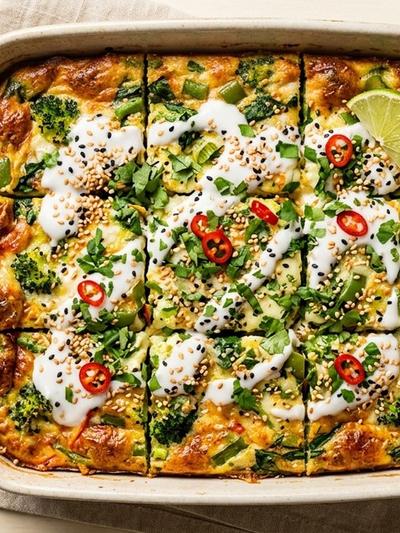
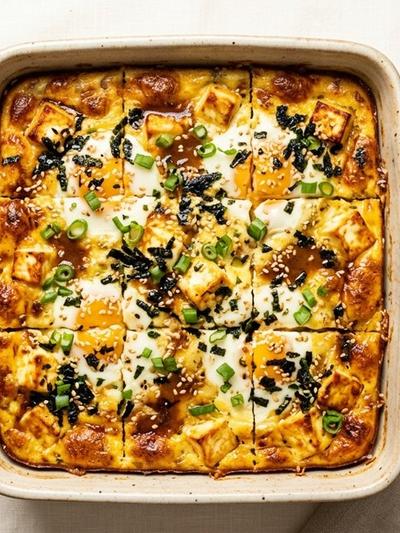
Imagine biting into a warm, golden egg bite that hits you with funky fermented kimchi, stretchy melted mozzarella, and little pockets of cream cheese so soft they practically dissolve on your tongue. Then a slick of toasted sesame oil and tamari ties every bite together with that deep, nutty savoriness that Korean food does better than just about anyone. These mini frittatas pack all of that into two-bite snacks you can grab from the fridge on any busy afternoon.
With 36 grams of fat and only 3 grams of net carbs per serving, these egg bites sit firmly in the keto sweet spot. Each batch delivers 20 grams of protein from eggs and two kinds of cheese, making them as satiating as they are small. The fat-to-carb ratio keeps you in ketosis comfortably, and the fermented kimchi adds gut-friendly probiotics without spiking your carb count.
A single baking session gives you 12 mini frittatas that stay fresh in the fridge for up to five days. Pop two or three straight from the container for a cold snack, or blast them in the microwave for 30 seconds if you want them warm. They travel beautifully in a lunch bag, hold their shape without getting soggy, and taste even better on day two once the kimchi has had time to mellow into the egg custard.
Ingredients (serves 4)
For the frittatas:
- 8 large eggs
- 4 oz (113g) cream cheese, softened and cut into small pieces
- 1 cup (113g) shredded mozzarella cheese
- ⅓ cup (50g) vegetarian kimchi, well drained and finely chopped
- 2 scallions, thinly sliced (white and green parts separated)
- 1 tablespoon toasted sesame oil
- ½ teaspoon gochugaru (Korean red pepper flakes), adjust to taste
- ¼ teaspoon fine sea salt
For the sesame drizzle:
- 2 tablespoons toasted sesame oil
- 1 tablespoon tamari or soy sauce
- 1 teaspoon unseasoned rice vinegar
- ½ teaspoon gochugaru
For garnish:
- 1 tablespoon toasted white sesame seeds
- Reserved scallion greens
Instructions
Preheat your oven to 375°F (190°C). Grease a standard 12-cup muffin tin thoroughly with butter or coconut oil spray, making sure to coat the sides all the way up. This prevents sticking and gives the edges a light crispness.
Prepare the kimchi. Place the chopped kimchi in a fine mesh strainer or squeeze it in a clean kitchen towel to remove as much liquid as possible. Excess moisture will make the frittatas soggy and prevent them from setting properly. You want the kimchi nearly dry to the touch.
Make the egg base. In a large mixing bowl, crack all 8 eggs. Add the softened cream cheese pieces, toasted sesame oil, gochugaru, and salt. Whisk vigorously for about 60 seconds until the mixture is mostly smooth. A few small cream cheese lumps are perfectly fine — they melt into rich, creamy pockets during baking.
Fold in the filling. Add the shredded mozzarella, drained kimchi, and scallion whites to the egg mixture. Stir gently with a spatula until everything is evenly distributed.
Fill the muffin cups. Ladle or pour the mixture evenly into the 12 prepared muffin cups, filling each about three-quarters full. Give each cup a gentle stir with a toothpick to make sure kimchi and cheese are distributed and not all sitting at the bottom.
Bake until puffed and golden. Place the muffin tin on the center rack and bake for 18 to 20 minutes. The frittatas are done when they puff up noticeably, the tops turn golden, and a toothpick inserted into the center of one comes out clean. They will deflate slightly as they cool, which is completely normal.
Make the sesame drizzle while the frittatas bake. In a small bowl, whisk together the toasted sesame oil, tamari, rice vinegar, and gochugaru until combined. Set aside.
Cool and release. Let the frittatas rest in the tin for 5 full minutes. This firms them up and makes removal much easier. Run a thin butter knife or small offset spatula around the edge of each cup, then gently lift them out onto a wire rack.
Garnish and serve (or store). Drizzle the sesame sauce over the frittatas, then scatter the toasted sesame seeds and reserved scallion greens on top. For meal prep, skip the garnish until serving — store the drizzle separately in a small sealed container and add it fresh when you eat.
Meal-prep storage. Let the frittatas cool completely to room temperature, then arrange in a single layer in an airtight container with parchment paper between layers if stacking. Refrigerate for up to 5 days. Reheat in the microwave for 25 to 30 seconds, or eat cold straight from the fridge.
Nutrition per Serving
| Nutrient | Amount |
|---|---|
| Calories | ~417 kcal |
| Fat | ~36g |
| Protein | ~20g |
| Total Carbs | ~4g |
| Fiber | ~1g |
| Net Carbs | ~3g |
Approximate values based on the stated ingredients. Actual nutrition may vary depending on specific brands, particularly the kimchi and cheese used.
Tips & Variations
Use vegetarian kimchi or check your label carefully. Most traditional kimchi contains fish sauce, fermented shrimp paste (saeujeot), or anchovy extract. For a vegetarian recipe, look for brands specifically labeled "vegan kimchi" or "vegetarian kimchi" at Asian grocery stores or health food markets. Brands like Mother In Law's Kimchi and Wildbrine make reliable vegetarian versions. If you ferment your own, simply substitute tamari for the fish sauce and skip the shrimp paste entirely.
Drain the kimchi thoroughly to avoid soggy frittatas. This is the single most important step for texture. Kimchi releases a surprising amount of liquid, and that brine will pool at the bottom of your muffin cups during baking, leaving you with rubbery, wet egg bites instead of fluffy ones. Squeeze it hard in a clean towel until barely any moisture comes out. Save that brine — it makes an incredible addition to keto salad dressings.
Watch for hidden carbs in commercial kimchi. Some grocery store kimchi brands add sugar, rice flour, or fruit puree to speed up fermentation or round out flavor. Read the nutrition label and aim for a kimchi with 1 gram of carbs or less per 2-tablespoon serving. The fermentation process consumes most of the natural sugars, so properly fermented kimchi is naturally low-carb, but shortcuts in commercial production can change that.
Swap the cheese to change the character entirely. Pepper jack makes these spicier and more robust. Gruyère brings a nuttier, almost sweet dimension that pairs unexpectedly well with kimchi. Aged cheddar adds sharpness. The cream cheese in the base is less negotiable — it creates the custardy texture that holds these together — but you can swap it for mascarpone if you want something milder and richer.
Freeze for longer storage. These mini frittatas freeze beautifully for up to two months. Cool completely, arrange in a single layer on a parchment-lined baking sheet, and freeze solid for about an hour. Then transfer to a freezer-safe bag, squeezing out excess air. Reheat from frozen in the microwave for 60 to 90 seconds, or in a 350°F oven for 10 minutes. Store the sesame drizzle in the fridge and add fresh after reheating.