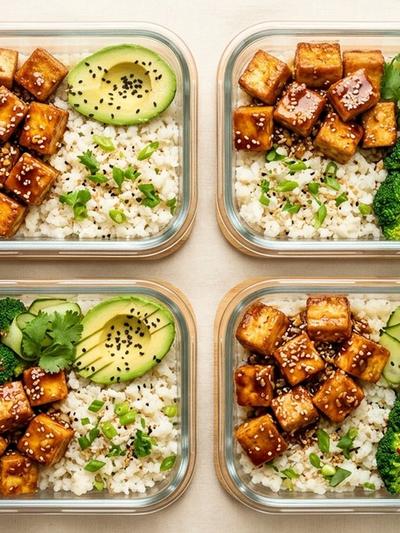
Golden, shatteringly crispy tofu cubes lacquered in a savory-sweet white miso glaze, nestled alongside tender baby bok choy glistening with toasted sesame oil — this is the kind of weeknight dinner that makes keto feel effortless. Every bite delivers layers of umami from the miso, nuttiness from the sesame, and a whisper of heat from red pepper flakes, all anchored by that satisfying crunch of perfectly baked tofu. It is Japanese-inspired comfort food that happens to be entirely plant-based and deeply, unapologetically delicious.
The macro profile here is built for ketosis. Each generous serving delivers roughly 40 grams of fat — primarily from avocado oil, toasted sesame oil, and the natural fats in extra-firm tofu — while keeping net carbs at just 7 grams. With 22 grams of protein per bowl, you get the satiety you need without relying on meat. Fat accounts for about 75% of the total calories, making this a textbook keto ratio.
Best of all, this recipe was designed from the ground up for batch cooking. Bake the tofu and toss the glaze on a single sheet pan, sauté all the bok choy in one wide skillet, and you have four perfectly portioned dinners ready for the fridge. The tofu actually firms up even more overnight, and the glaze concentrates into a sticky, caramelized coating that reheats beautifully. Sunday afternoon prep, weeknight freedom.
Ingredients (serves 4)
For the crispy tofu:
- 2 blocks (28 oz / 794g) extra-firm tofu, drained and pressed
- 3 tablespoons (45ml) avocado oil
- 1 tablespoon (8g) sesame seeds
- ½ teaspoon fine sea salt
For the miso glaze:
- 3 tablespoons (54g) white miso paste (shiro miso)
- 2 tablespoons (30ml) toasted sesame oil
- 1 tablespoon (15ml) coconut aminos
- 1 tablespoon (15ml) unseasoned rice vinegar
- 1 teaspoon (5ml) chili garlic sauce (sambal oelek)
- 1 clove garlic, finely grated
- 1 teaspoon freshly grated ginger
For the sesame bok choy:
- 4 heads (about 12 oz / 340g) baby bok choy, halved lengthwise
- 2 tablespoons (30ml) toasted sesame oil
- 2 cloves garlic, thinly sliced
- Pinch of red pepper flakes
- 1 teaspoon (5ml) coconut aminos
For garnish:
- 2 green onions, thinly sliced
- 1 tablespoon (8g) toasted sesame seeds
- Drizzle of toasted sesame oil
Instructions
Press the tofu. Wrap each tofu block in a clean kitchen towel or several layers of paper towels. Place on a cutting board, set a heavy skillet or baking sheet with cans on top, and press for at least 15 minutes. This removes excess moisture and is essential for achieving crispy edges. While the tofu presses, preheat your oven to 425°F (220°C) and line a large rimmed baking sheet with parchment paper.
Cube and season the tofu. Cut the pressed tofu into ¾-inch (2cm) cubes and place them in a large bowl. Drizzle with the avocado oil, sprinkle with sesame seeds and salt, then toss gently until every cube is evenly coated. Spread the cubes in a single layer on the prepared baking sheet, leaving a little space between each piece — crowding leads to steaming, not crisping.
Bake until golden and crispy. Place the baking sheet on the middle rack and bake for 25–30 minutes, flipping the cubes once at the halfway mark. The tofu is done when the edges are deeply golden and firm to the touch. The cubes will continue to crisp slightly as they cool.
Make the miso glaze while the tofu bakes. In a small bowl, whisk together the white miso paste, toasted sesame oil, coconut aminos, rice vinegar, chili garlic sauce, grated garlic, and grated ginger until completely smooth. The glaze should be pourable — if it is too thick, add a teaspoon of warm water and whisk again. Taste and adjust heat to your preference. Set aside.
Glaze the tofu. When the tofu comes out of the oven, transfer the hot cubes to a large bowl. Pour three-quarters of the miso glaze over the top and toss gently with a spatula until each cube is coated. The residual heat will help the glaze cling and caramelize slightly. Reserve the remaining glaze for drizzling at the end.
Sauté the bok choy. Heat the toasted sesame oil in a large skillet or wok over medium-high heat until shimmering. Add the sliced garlic and red pepper flakes and stir for 20 seconds until fragrant — do not let the garlic brown. Place the bok choy halves cut-side down in the skillet. Cook without moving for 2 minutes until the cut sides develop a light golden sear. Flip, add the coconut aminos, and cook for another 1–2 minutes until the leaves are just wilted but the stems still have a gentle crunch.
Assemble the bowls. Divide the seared bok choy among four meal-prep containers or serving bowls. Top with the miso-glazed tofu cubes. Drizzle the reserved glaze over the top, scatter with sliced green onions and toasted sesame seeds, and finish with a final drizzle of sesame oil. Serve immediately, or let cool to room temperature before sealing containers and refrigerating.
Nutrition per Serving
| Nutrient | Amount |
|---|---|
| Calories | ~478 kcal |
| Fat | ~40g |
| Protein | ~22g |
| Total Carbs | ~10g |
| Fiber | ~3g |
| Net Carbs | ~7g |
Nutritional values are approximate and may vary based on specific brands of miso paste, tofu, and coconut aminos used.
Tips & Variations
Press the tofu thoroughly for maximum crispiness. The single biggest factor in achieving crispy baked tofu is removing moisture. If you own a tofu press, use it — 30 minutes under pressure is ideal. In a pinch, you can freeze the tofu the night before, then thaw and squeeze it dry. Freezing changes the internal structure, creating an almost spongy texture that crisps beautifully and absorbs more glaze.
Watch your miso paste for hidden carbs. Not all miso is created equal on keto. White (shiro) miso tends to have slightly more carbs than red miso because of the higher rice content, but the amount used per serving here is modest enough to stay well under your daily carb target. Always check the label — some commercial miso pastes add sugar or sweeteners. Look for brands with just soybeans, rice, salt, and koji.
Swap the bok choy for other low-carb greens. Broccolini, Chinese broccoli (gai lan), or thinly sliced zucchini rounds all work beautifully as substitutes. Spinach wilts too quickly for meal prep and can turn watery after a day in the fridge, so save it for bowls you plan to eat right away. Whatever vegetable you choose, aim for options with fewer than 4 grams of net carbs per cup.
Add richness with a drizzle of chili oil. If you want to push the fat content even higher or love a spicy kick, finish each bowl with a teaspoon of homemade or store-bought chili crisp oil. It adds roughly 45 extra calories and 5 grams of fat per serving with negligible carbs. Lao Gan Ma brand is a cult favorite, but check the label for any added sugars.
Store and reheat for the best meal-prep results. Sealed containers keep well in the refrigerator for up to 4 days. To reheat, microwave each portion for 90 seconds to 2 minutes, or spread the tofu on a small baking sheet and reheat in a 375°F (190°C) oven for 8–10 minutes to restore crispiness. Keep the bok choy and tofu in separate compartments if possible — the greens release a small amount of liquid over time, which can soften the glaze.