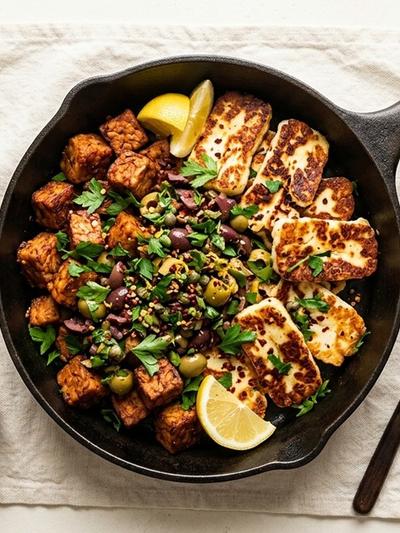
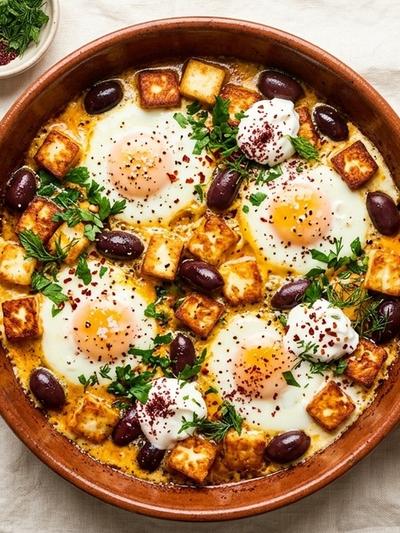
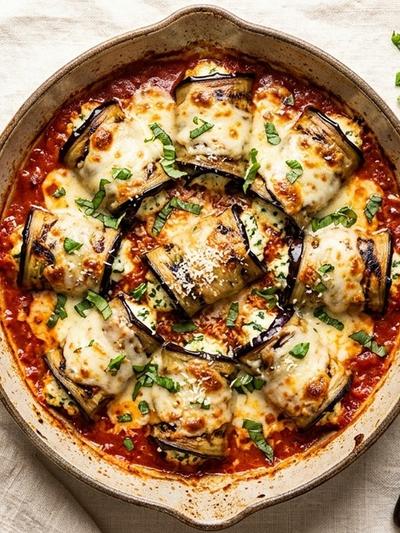
Turkish cilbir is one of the most elegant egg dishes on the planet — soft poached eggs draped over a cloud of garlicky whipped cream cheese, then crowned with a sizzling drizzle of za'atar-spiced brown butter that pools into every crevice. Each spoonful delivers a rich, tangy base that yields to a warm, runny yolk, finished with the earthy crunch of za'atar and a gentle whisper of Aleppo pepper heat. It is comfort food at its most luxurious, and it comes together in a single skillet in under 25 minutes.
The macro profile here is textbook keto: 54 grams of fat per serving — nearly 78% of total calories — with only 6 grams of net carbs. Cream cheese provides the high-fat foundation, butter delivers the aromatic finishing fat, and eggs bring 21 grams of clean protein. There is no flour, no bread, no hidden sugars — just real, whole ingredients doing exactly what they should.
This is a lunch that feels like a restaurant experience but requires almost no cleanup. Everything happens in one skillet, the ingredient list is short, and the technique is forgiving. It reheats beautifully for meal prep, travels well in a sealed container, and pairs perfectly with a simple side salad of cucumber and olives if you want to round out the plate.
Ingredients (serves 2)
For the whipped cream cheese base:
- 6 oz (170g) full-fat cream cheese, softened
- 1 small clove garlic, finely grated or minced
- 1 tablespoon extra virgin olive oil
- 1 tablespoon fresh lemon juice
- ¼ teaspoon sea salt
- 1 cup (30g) baby spinach, roughly chopped
For the poached eggs:
- 4 large eggs
- 1 tablespoon white vinegar
- Pinch of sea salt
For the za'atar butter drizzle:
- 2 tablespoons (28g) unsalted butter
- 1½ teaspoons za'atar spice blend
- ½ teaspoon Aleppo pepper flakes (or ¼ teaspoon red pepper flakes)
For topping:
- 1 oz (28g) feta cheese, crumbled
- 1 tablespoon fresh dill, chopped
- Flaky sea salt, to finish
Instructions
Prepare the whipped cream cheese. In a medium bowl, combine the softened cream cheese, grated garlic, olive oil, lemon juice, and sea salt. Whisk vigorously with a fork or use a hand mixer on low for about 60 seconds until the mixture is completely smooth, light, and spreadable. It should have the consistency of thick frosting — no lumps. Set aside at room temperature.
Wilt the spinach. Place a 10-inch (25cm) oven-safe skillet over medium heat. Add just a thin film of olive oil or cooking spray. Toss in the chopped baby spinach and stir for 30 to 45 seconds until just wilted and bright green. Remove the skillet from heat. Spread the wilted spinach evenly across the bottom of the skillet.
Spread the cream cheese base. Dollop the whipped cream cheese mixture over the spinach in the skillet and use the back of a spoon or a small offset spatula to spread it into an even layer. Use the spoon to create four shallow wells — two per serving — spaced evenly apart. These wells will cradle the poached eggs.
Poach the eggs. Bring a medium saucepan of water to a gentle simmer over medium heat — you want small bubbles rising lazily, not a rolling boil. Add the white vinegar and a pinch of salt. Crack each egg into a small ramekin or cup. Stir the water gently to create a slight swirl, then slide each egg in one at a time. Poach for 3 to 3½ minutes for runny yolks, or up to 4½ minutes for a jammy set yolk. Remove with a slotted spoon and let excess water drain on a paper towel for a few seconds.
Nestle the eggs. Gently place the poached eggs into the wells you created in the cream cheese base. They should sit snugly, partially sinking into the creamy layer beneath.
Make the za'atar butter. While the eggs poach, melt the butter in a small saucepan or the corner of a clean skillet over medium heat. Let it cook for about 2 minutes, swirling occasionally, until the milk solids turn golden brown and the butter smells nutty and fragrant. Immediately remove from heat and stir in the za'atar and Aleppo pepper flakes. The spices will sizzle and bloom in the hot fat — this is exactly what you want.
Finish and serve. Drizzle the sizzling za'atar butter generously over the eggs and cream cheese. Scatter the crumbled feta and fresh dill on top. Finish with a pinch of flaky sea salt. Serve immediately straight from the skillet with spoons — or divide between two shallow bowls. For scooping, serve alongside cucumber slices, celery sticks, or keto seed crackers.
Nutrition per Serving
| Nutrient | Amount |
|---|---|
| Calories | ~625 kcal |
| Fat | ~54g |
| Protein | ~21g |
| Total Carbs | ~7g |
| Fiber | ~1g |
| Net Carbs | ~6g |
Nutrition values are approximate and based on the specific ingredients and quantities listed. Your results may vary depending on brands and exact measurements.
Tips & Variations
Turn it into a meal-prep hero. Store the whipped cream cheese base and za'atar butter separately in airtight containers — both keep for up to 4 days in the fridge. When ready to eat, spread the cream cheese in a microwave-safe bowl, warm for 30 seconds, then top with a freshly poached or soft-boiled egg and reheated butter drizzle. The base actually improves as the garlic flavor deepens overnight.
Swap the poaching for a simpler method. If poaching eggs feels fussy for a weekday lunch, simply fry or soft-boil them instead. Fried eggs with crispy edges are traditional in some Turkish households and add a beautiful textural contrast to the silky cream cheese. A 6½-minute soft-boiled egg, halved, works beautifully too — just nestle the halves yolk-side up into the cream cheese.
Watch for hidden carbs in za'atar blends. Some commercial za'atar mixes include sumac (fine — very low carb) but others sneak in wheat flour or sesame seeds coated in sugar. Check your label or make your own by combining 1 tablespoon dried thyme, 1 teaspoon sumac, 1 teaspoon toasted sesame seeds, and ½ teaspoon sea salt. This keeps the carb count exactly where you need it.
Add more Mediterranean flair. Scatter a few pitted Kalamata olives and a spoonful of capers over the finished dish for a brinier, more complex flavor. Sun-dried tomatoes (oil-packed, 2 to 3 pieces per serving) add sweetness and color but check carbs — they run about 1 gram net carbs per piece, so use sparingly to stay within your target.
Use mascarpone or ricotta for a different texture. Mascarpone creates an even richer, more velvety base with a slightly sweeter undertone — ideal if you find cream cheese too tangy. Ricotta works well too but should be strained through cheesecloth for 30 minutes first to remove excess moisture. Both substitutions keep macros in the same keto-friendly range, though mascarpone will push the fat slightly higher.