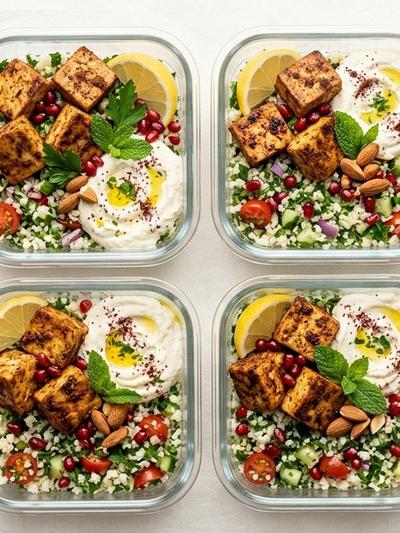
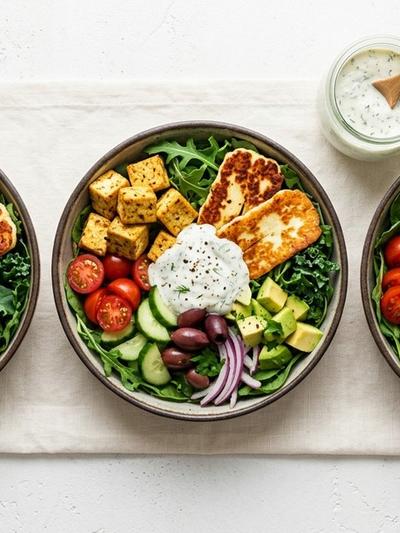
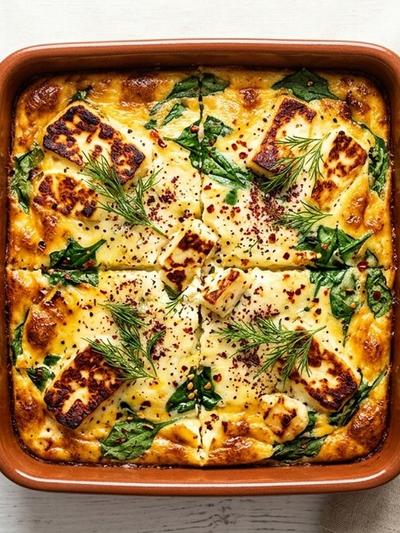
Imagine opening your fridge on a hectic Tuesday and pulling out a container of golden-topped halloumi nestled in a silky coconut cream sauce spiked with oregano, garlic, and a hit of cumin. Each forkful delivers tender roasted cauliflower, briny Kalamata olives, and pockets of tangy feta that melt into the rich, herb-fragrant sauce. This is Mediterranean comfort food at its most satisfying — warm, creamy, and deeply savory. It tastes like something you would linger over at a seaside taverna, except it comes straight from your meal-prep stash.
The macro profile here is textbook ketogenic. With 51 grams of fat and only 6 grams of net carbs per generous serving, roughly 80 percent of your calories come from healthy fats courtesy of full-fat coconut cream, olive oil, and halloumi. The 15 grams of protein from the halloumi and feta keep you satiated through the afternoon without dragging you into a post-lunch slump.
This recipe is specifically designed for batch cooking. One baking dish yields four perfectly portioned lunches that refrigerate beautifully for up to five days. The coconut cream sauce actually thickens and concentrates in flavor as it sits, meaning day-three leftovers taste even better than the original. Simply reheat in the microwave or oven, and you have a hot, satisfying lunch ready in minutes.
Ingredients (serves 4)
For the coconut cream sauce:
- 1 can (13.5 oz / 400ml) full-fat coconut cream
- 2 tablespoons (30ml) extra-virgin olive oil
- 3 cloves garlic, minced
- 1 tablespoon (15g) tomato paste
- 1 teaspoon dried oregano
- 1 teaspoon ground cumin
- ½ teaspoon smoked paprika
- ½ teaspoon sea salt
- ¼ teaspoon black pepper
- 1 tablespoon (15ml) fresh lemon juice
For the bake:
- 12 oz (340g) halloumi cheese, sliced into ½-inch (1cm) thick planks
- 3 cups (300g) cauliflower florets, cut into bite-sized pieces
- ⅓ cup (50g) Kalamata olives, halved
- 3 oz (85g) feta cheese, crumbled
- 1 tablespoon (15ml) olive oil, for drizzling
- 1 teaspoon za'atar spice blend
- Fresh flat-leaf parsley, chopped (for garnish)
Instructions
Preheat your oven to 400°F (200°C). Lightly grease a 9×13-inch (23×33cm) baking dish with olive oil or cooking spray.
Prepare the cauliflower. Spread the cauliflower florets on a sheet pan, drizzle with 1 tablespoon of olive oil, and season with a pinch of salt. Roast for 15 minutes until the edges start to turn golden and the florets are just fork-tender. Remove and set aside. Keep the oven on.
Make the coconut cream sauce. While the cauliflower roasts, heat 2 tablespoons of olive oil in a medium saucepan over medium heat. Add the minced garlic and sauté for 30 to 60 seconds until fragrant but not browned. Stir in the tomato paste, oregano, cumin, and smoked paprika, cooking for another 30 seconds until the spices bloom and become aromatic. Pour in the coconut cream and whisk until smooth. Season with salt and pepper, then stir in the lemon juice. Simmer gently for 3 to 4 minutes until the sauce thickens slightly. Remove from heat.
Sear the halloumi. Heat a dry non-stick skillet over medium-high heat. Lay the halloumi slices in a single layer and cook for 2 minutes per side until each plank develops a deep golden-brown crust. The cheese should squeak slightly when pressed with a spatula. Set aside on a plate.
Assemble the bake. Pour half of the coconut cream sauce into the bottom of the prepared baking dish and spread evenly. Arrange the roasted cauliflower florets across the sauce. Nestle the seared halloumi planks among the cauliflower, then scatter the halved Kalamata olives over everything. Pour the remaining coconut cream sauce over the top, making sure it flows between the gaps. Crumble the feta cheese evenly across the surface and sprinkle with za'atar.
Bake until bubbly. Place the dish in the oven and bake for 15 to 18 minutes until the sauce is bubbling around the edges and the feta has softened and taken on light golden spots. The top should look lightly caramelized in places.
Rest and garnish. Allow the bake to cool for 5 minutes before garnishing with chopped fresh parsley. This resting period lets the sauce set slightly, making it easier to portion.
Portion for meal prep. Divide the bake evenly among four airtight meal-prep containers. Allow the portions to cool completely before sealing the lids and refrigerating. The bake will keep well in the refrigerator for up to 5 days.
Nutrition per Serving
| Nutrient | Amount |
|---|---|
| Calories | ~575 kcal |
| Fat | ~51g |
| Protein | ~15g |
| Total Carbs | ~8g |
| Fiber | ~2g |
| Net Carbs | ~6g |
Nutrition values are approximate and may vary based on specific brands used and exact portion sizes.
Tips & Variations
Searing halloumi is non-negotiable. That golden crust is everything — it adds texture contrast to the creamy sauce and prevents the halloumi from turning rubbery during baking. Use a dry pan with no oil since halloumi has enough fat to crisp beautifully on its own. Make sure the pan is properly hot before adding the slices, and resist the urge to move them until they release easily.
Reheat low and slow for best results. Microwave each container on 70 percent power for 2 to 3 minutes, stirring halfway through, to prevent the coconut cream from separating. Alternatively, reheat in a 325°F (160°C) oven for 10 minutes with a loose foil cover. Adding a teaspoon of water before reheating helps restore the sauce's silky consistency.
Watch hidden carbs in tomato paste. While a tablespoon of tomato paste adds essential depth and color, some brands contain added sugar. Check your label and choose a brand with no more than 3 to 4 grams of carbs per tablespoon. If you want to skip it entirely, add a teaspoon of sun-dried tomato oil from the jar for flavor without the extra carbs.
Swap cauliflower for zucchini rounds. If you are tired of cauliflower, thick-cut zucchini rounds work wonderfully here and actually hold up better over multiple days of storage. Slice them about ¾-inch (2cm) thick, salt and drain for 10 minutes to remove excess moisture, then use them in place of the cauliflower without any other changes to the recipe.
Add a fried egg on top for a more filling lunch. While the macros work well as written, topping each reheated portion with a fried egg adds roughly 5 grams of protein and 5 grams of fat while keeping carbs at virtually zero. Fry the egg fresh rather than batch-cooking them, since reheated eggs lose their appeal quickly.