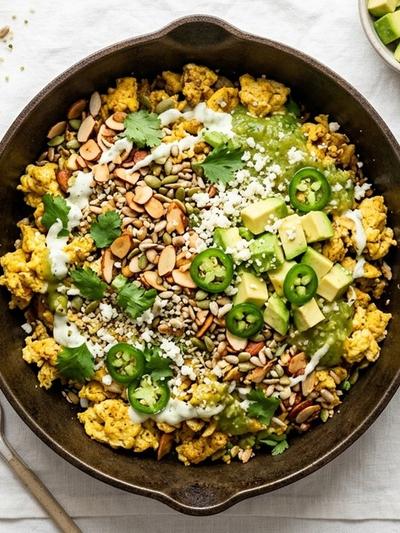
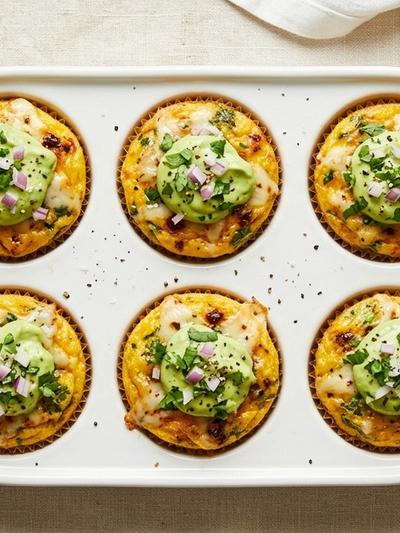
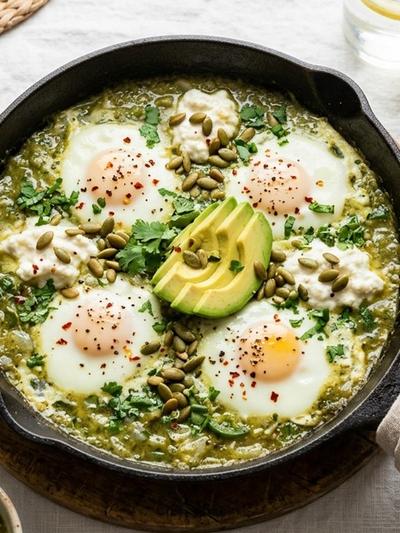
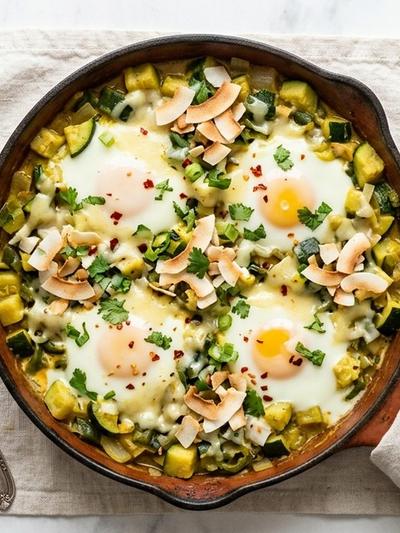
Imagine opening your fridge on a hectic Monday morning and pulling out a perfectly portioned bowl of golden, cumin-spiced paneer scrambled with fluffy eggs, charred poblano peppers, and melted pepper jack cheese — all topped with a bright, tangy lime-avocado crema. These Mexican paneer breakfast scramble bowls deliver layers of smoky, savory, and citrusy flavor that make rolling out of bed feel like a reward. Every forkful balances the satisfying chew of pan-fried paneer with pillowy egg curds and just enough heat from fresh jalapeño to wake up your palate.
The macros here are tailor-made for a ketogenic lifestyle. With roughly 53 grams of fat, 29 grams of protein, and only 7 grams of net carbs per generous serving, fat accounts for about 76% of total calories — right in the keto sweet spot. Paneer and eggs together form a complete protein duo, while butter, avocado, and cheese supply the satiating fats that keep you fueled through lunch without a single blood-sugar spike.
Best of all, this entire recipe is engineered for batch cooking. You can prepare all four servings in under 30 minutes on a Sunday evening, portion them into containers, and grab one each morning for up to four days. The scramble reheats beautifully in the microwave, and the lime crema stays vibrant when stored separately. It is hands-down one of the easiest ways to guarantee a satisfying keto breakfast every single weekday.
Ingredients (serves 4)
For the paneer-egg scramble:
- 8 oz (225g) paneer, cut into small 1/2-inch cubes
- 6 large eggs
- 2 tablespoons (30g) unsalted butter, divided
- 1 medium poblano pepper, seeded and diced small
- 1 small jalapeño, seeded and minced (keep seeds for more heat)
- 3 oz (85g) pepper jack cheese, shredded
- 1 teaspoon ground cumin
- 1/2 teaspoon smoked paprika
- 1/2 teaspoon chili powder
- 1/2 teaspoon garlic powder
- 1/4 teaspoon fine sea salt
- 1/4 teaspoon freshly ground black pepper
For the lime-avocado crema:
- 1 medium ripe avocado (about 5 oz / 140g flesh)
- 1/4 cup (60g) full-fat sour cream
- 2 tablespoons fresh lime juice (about 1 lime)
- 1 small clove garlic, minced
- Pinch of sea salt
For garnish:
- 2 tablespoons fresh cilantro, roughly chopped
- 1 teaspoon lime zest
- Red pepper flakes (optional)
Instructions
Make the lime-avocado crema first. In a small bowl, mash the avocado with a fork until mostly smooth with a few small chunks remaining. Stir in the sour cream, lime juice, minced garlic, and a pinch of salt. Mix until well combined and creamy. Taste and adjust lime or salt as desired. Transfer to a small airtight container and refrigerate while you cook the scramble.
Pan-fry the paneer. Heat 1 tablespoon of the butter in a large nonstick or cast-iron skillet over medium-high heat. Once the butter is foaming, add the paneer cubes in a single layer. Cook undisturbed for about 2 minutes until the bottoms turn golden brown, then flip and cook another 1–2 minutes until lightly crisp on multiple sides. Transfer the paneer to a plate and set aside.
Cook the peppers. In the same skillet, add the remaining 1 tablespoon of butter. Add the diced poblano and minced jalapeño. Sauté for 3–4 minutes over medium heat, stirring occasionally, until the peppers are softened and lightly charred at the edges. You want them tender but still with a bit of bite.
Season the peppers. Sprinkle the cumin, smoked paprika, chili powder, garlic powder, salt, and black pepper over the peppers. Stir for about 30 seconds until the spices are fragrant and evenly coating the peppers. This brief bloom in the butter-slicked pan intensifies the smoky, earthy flavors dramatically.
Scramble the eggs. Crack all 6 eggs into a bowl and whisk briefly with a fork — you want them just combined, not frothy. Pour the eggs into the skillet with the seasoned peppers. Let them sit untouched for about 20 seconds until the edges begin to set, then gently push the eggs from the outside toward the center using a spatula, creating large, soft curds. Continue folding every 15–20 seconds.
Add paneer and cheese. When the eggs are about 75% set — still slightly wet and glossy on top — return the pan-fried paneer to the skillet and scatter the shredded pepper jack cheese over everything. Gently fold two or three times to distribute the paneer and cheese evenly. Remove the skillet from the heat immediately. The residual warmth will finish cooking the eggs to creamy perfection and melt the cheese into luscious pockets throughout.
Portion for meal prep. Divide the scramble evenly among four airtight meal-prep containers. Allow the scramble to cool to room temperature — about 10 minutes — before sealing the lids. Store the lime-avocado crema in a separate small container or in individual portion cups to maintain its fresh, bright flavor.
Garnish and serve. When ready to eat, reheat a portion in the microwave for 60–90 seconds, stirring halfway through. Top with a generous dollop of lime-avocado crema, a sprinkle of fresh cilantro, a pinch of lime zest, and red pepper flakes if you like extra heat.
Nutrition per Serving
| Nutrient | Amount |
|---|---|
| Calories | ~628 kcal |
| Fat | ~53g |
| Protein | ~29g |
| Total Carbs | ~9g |
| Fiber | ~2g |
| Net Carbs | ~7g |
Nutrition is approximate and calculated based on the stated ingredients and four equal servings. Actual values may vary by brand.
Tips & Variations
Keep the crema fresh and separate. The lime-avocado crema is the soul of this dish, but avocado oxidizes quickly. Store it in a small container with a thin layer of lime juice on top or press plastic wrap directly against the surface to prevent browning. Stored this way, it stays vibrant green for 3–4 days in the fridge.
Swap the cheese to change the vibe. Pepper jack adds wonderful heat, but you can substitute shredded Oaxaca cheese for a milder, stretchy melt, or use sharp cheddar for a punchier flavor. Cotija crumbled on top after reheating gives a more authentic Mexican street-food finish. All options keep the net carbs virtually identical.
Watch for hidden carbs in pre-shredded cheese. Many bagged shredded cheeses contain potato starch or cellulose as anti-caking agents, which can add 1–2 grams of carbs per serving. For the cleanest keto macros, buy block cheese and shred it yourself — it also melts far better and tastes noticeably fresher.
Boost the fat even further. If your macros call for more fat, drizzle a teaspoon of extra-virgin olive oil over each bowl when serving, or stir a tablespoon of cream cheese into the eggs while scrambling. Both additions keep the flavor profile harmonious and push the fat ratio closer to 80% of calories without adding any meaningful carbs.
Reheating for the best texture. Microwave reheating works well, but for superior texture, warm the scramble in a skillet over medium-low heat with a small pat of butter for 2–3 minutes. The butter re-crisps the paneer edges slightly and prevents the eggs from turning rubbery, giving you a result that tastes nearly as good as freshly made.