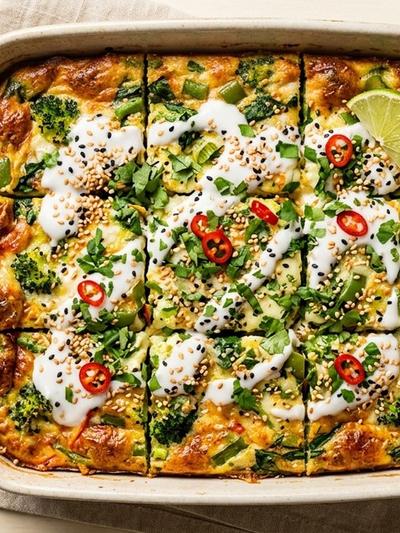
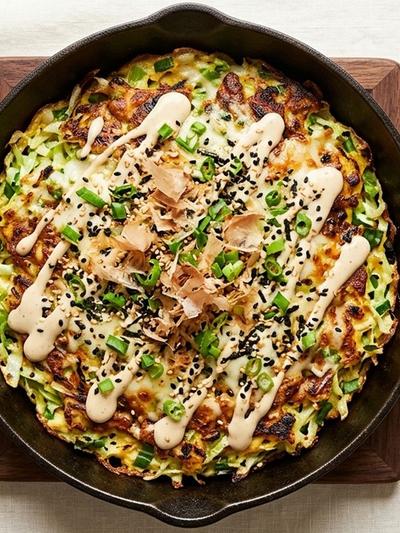
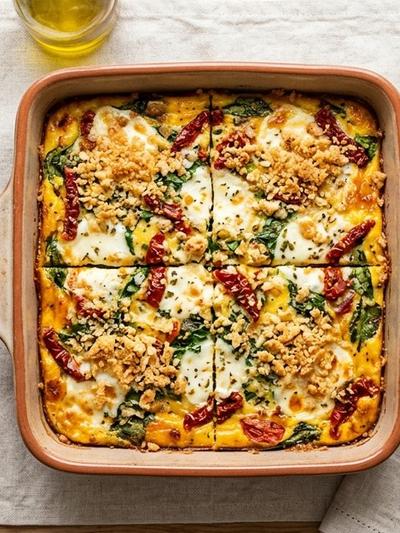
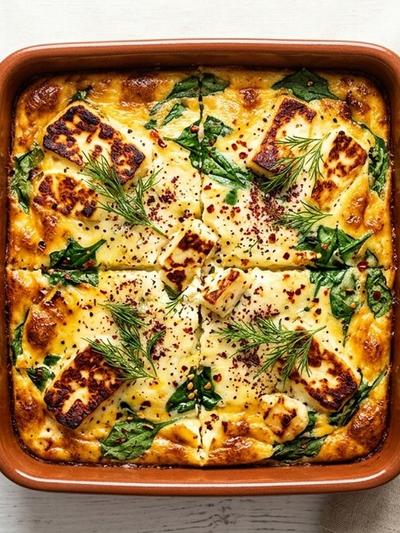
Imagine slicing into a golden, custard-set breakfast bake that smells like toasted sesame and caramelized miso butter — each piece studded with tender cubes of pan-seared paneer, wisps of scallion, and a crackle of nori on top. This Japanese-inspired egg bake takes everything you love about a classic frittata and wraps it in deep, savory umami flavor that makes mornings feel effortless. The paneer turns gloriously golden around the edges while staying creamy inside, and the miso-enriched egg custard sets into something silky, satisfying, and deeply comforting.
Each generous serving delivers roughly 33 grams of fat and only 4 grams of net carbs, making this a textbook ketogenic breakfast. The combination of paneer and eggs provides 23 grams of complete protein, while butter, sesame oil, and cream push your fat macros exactly where they need to be. It is a filling, nutrient-dense start to the day without any hidden sugars or starchy fillers.
The real magic here is the meal-prep angle. You bake one dish on Sunday, slice it into four portions, and grab a piece from the fridge every morning for the next four days. Each slice reheats beautifully in the microwave or a quick pass through a skillet, and the flavors actually deepen overnight as the miso butter permeates the custard. If you are tired of scrambling eggs every single morning, this is your new best friend.
Ingredients (serves 4)
For the miso butter:
- 2 tablespoons (28g) unsalted butter, softened
- 1½ tablespoons (27g) white miso paste
- 1 teaspoon (5ml) toasted sesame oil
- ½ teaspoon grated fresh ginger
For the egg bake:
- 7 ounces (200g) paneer, cut into ½-inch (1.25cm) cubes
- 1 tablespoon (15ml) avocado or coconut oil
- 8 large eggs
- ¼ cup (60ml) heavy cream
- 1 teaspoon (5ml) tamari or coconut aminos
- ¼ teaspoon white pepper
- 3 scallions, thinly sliced (white and green parts separated)
For the topping:
- 1 tablespoon (8g) white sesame seeds
- 1 sheet roasted nori, torn or cut into small strips
- Pinch of flaky sea salt
Instructions
Preheat and prep. Set your oven to 375°F (190°C). Grease an 8×8-inch (20×20cm) baking dish with a thin layer of butter or oil. In a small bowl, mash together the softened butter, white miso paste, sesame oil, and grated ginger until completely smooth. This compound butter is the flavor backbone of the entire dish — make sure there are no miso lumps remaining.
Sear the paneer. Heat the avocado oil in a large nonstick skillet over medium-high heat. Add the paneer cubes in a single layer and cook undisturbed for about 2 minutes per side, until two or three faces develop a light golden crust. You do not need to sear every side — just enough to build color and a slight chew on the exterior. Transfer the paneer to a plate and set aside.
Build the miso custard. In a large mixing bowl, crack all 8 eggs and add the heavy cream, tamari, and white pepper. Whisk until the yolks and whites are fully combined and the mixture is smooth. Add the miso butter compound and whisk vigorously until it dissolves completely into the egg mixture. You should see a uniform, pale golden custard with no streaks of miso visible.
Assemble the bake. Scatter the seared paneer cubes evenly across the bottom of your prepared baking dish. Sprinkle the white parts of the scallions over the paneer. Pour the miso-egg custard gently over the top, making sure the liquid distributes evenly around the paneer cubes. Tap the dish once on the counter to release any air bubbles. Sprinkle the sesame seeds over the surface.
Bake. Place the dish on the center rack and bake for 25 to 30 minutes, until the top is puffed and golden and the center is just barely set — it should jiggle very slightly when you shake the pan, like a custard that is done but not dry. A knife inserted in the center should come out clean with no liquid egg. The bake will continue to firm up as it cools.
Finish and cool. Remove from the oven and immediately scatter the nori strips and sliced scallion greens over the top. Finish with a pinch of flaky sea salt. Let the bake rest in the dish for at least 10 minutes before slicing — this rest is critical so the custard sets fully and the slices hold together cleanly.
Slice and store. Cut into 4 equal portions. If eating immediately, serve warm. For meal prep, let the bake cool completely to room temperature, then cover tightly with a lid or plastic wrap and refrigerate. Portions will keep beautifully for up to 4 days in the fridge.
Reheat. To serve from the fridge, microwave a single slice on high for 60 to 90 seconds until heated through, or warm in a dry skillet over medium heat for 2 to 3 minutes per side until the exterior crisps slightly. The skillet method gives you the best texture — lightly caramelized edges with a creamy interior.
Nutrition per Serving
| Nutrient | Amount |
|---|---|
| Calories | ~410 kcal |
| Fat | ~33g |
| Protein | ~23g |
| Total Carbs | ~5g |
| Fiber | ~1g |
| Net Carbs | ~4g |
Nutritional values are approximate and may vary based on specific brands of paneer and miso paste used.
Tips & Variations
Choose the right miso. White (shiro) miso is essential here — it is mellow, slightly sweet, and pairs naturally with eggs. Red or brown miso can work but will produce a much stronger, saltier, and more pungent result. If you substitute darker miso, reduce the amount to 1 tablespoon and taste the raw custard before pouring it in. Also check the label: some miso brands add barley or sugar, which can bump up carbs. Look for one made with just soybeans, rice koji, and salt.
Add a drizzle of chili oil for heat. A half teaspoon of Japanese rayu (chili sesame oil) or Korean gochugaru-infused oil drizzled over each slice before serving adds a gorgeous layer of warmth without any additional carbs. This is especially nice when reheating — the warmth blooms the chili oil and wakes up the miso flavor.
Swap paneer for extra-firm tofu if needed. If paneer is unavailable, extra-firm tofu pressed for 20 minutes makes a good substitute. The texture will be slightly softer, so make sure to sear it well on all sides. Note that tofu will drop the protein slightly and change the fat ratio, so you may want to add an extra tablespoon of butter to the custard to keep macros aligned.
Experiment with mix-ins to keep it interesting. This bake is a versatile template. Try adding a small handful of baby spinach, thinly sliced shiitake mushrooms, or diced bell pepper to the pan before pouring in the custard. Keep added vegetables to about ½ cup total to avoid raising the carb count significantly — mushrooms and spinach are the lowest-carb options.
Watch for hidden carbs in tamari and miso. Both fermented soy products can vary significantly in carb content between brands. San-J tamari has about 1 gram of carbs per tablespoon, while some generic brands can have 2 to 3 grams. Coconut aminos are another option but tend to be slightly higher in carbs due to natural sugars. Always read labels and adjust if you are tracking macros strictly.