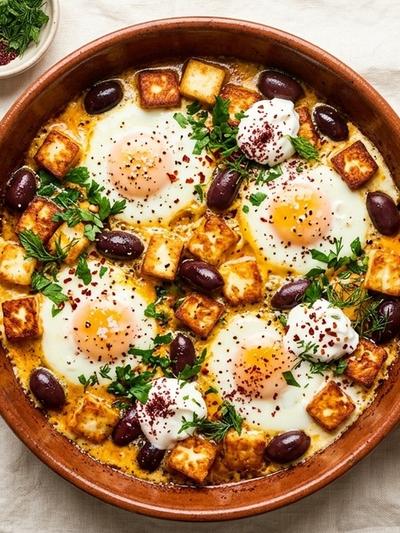
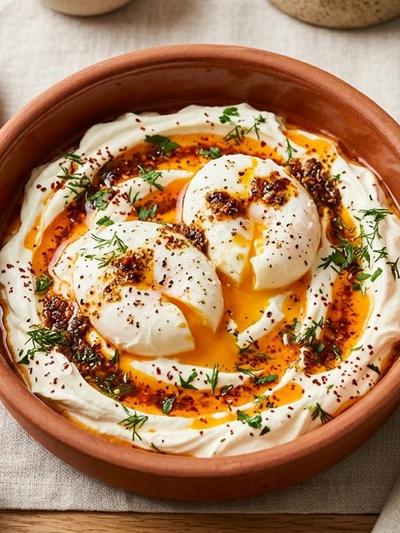
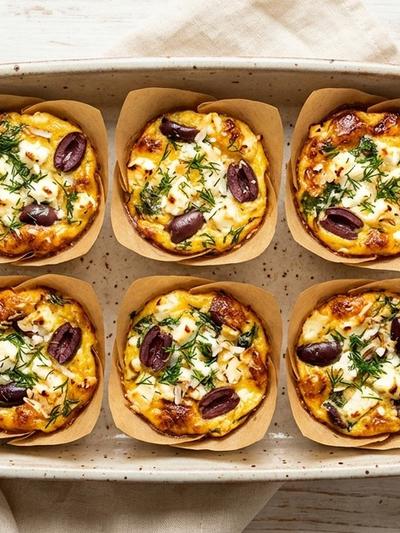
Imagine cracking eggs into a pool of fragrant coconut oil swirled with earthy za'atar, then watching them set around tangy crumbles of feta and briny kalamata olives. This is the kind of breakfast that feels like a lazy morning on a sun-drenched Greek island — except it takes only fifteen minutes and a single skillet. The toasted shredded coconut scattered on top adds a subtle sweetness and crunch that plays beautifully against the salty Mediterranean flavors, creating a dish that is far greater than the sum of its parts.
With 41 grams of fat and just 3 grams of net carbs per serving, this skillet lands squarely in the keto sweet spot. The coconut oil and coconut cream form a rich, high-fat cooking base, while the feta and eggs deliver 17 grams of satisfying protein. Nearly 80 percent of the calories come from fat, making this an ideal way to start a ketogenic day without relying on processed ingredients or artificial sweeteners.
Best of all, this is a true one-pan meal. Everything cooks in a single skillet, and the entire process from start to plate is about fifteen minutes. There is no chopping beyond halving a few olives and crumbling some cheese. It works beautifully for weekday mornings when time is tight, and it scales easily if you are feeding a crowd — just use a larger pan and add more eggs.
Ingredients (serves 2)
For the skillet:
- 4 large eggs
- 2 tablespoons (28g) coconut oil
- 3 tablespoons (45ml) full-fat coconut cream
- 2 ounces (56g) feta cheese, crumbled
- 10 kalamata olives, pitted and halved
- 1 cup (30g) baby spinach
- 2 teaspoons za'atar spice blend
- 1/4 teaspoon sea salt
- 1/4 teaspoon black pepper
For topping:
- 2 tablespoons (10g) unsweetened shredded coconut, toasted
- Fresh mint or dill for garnish (optional)
- Pinch of flaky sea salt
Instructions
Toast the coconut. Place the shredded coconut in a dry skillet over medium-low heat. Stir constantly for 2 to 3 minutes until the flakes are golden brown and fragrant. Watch carefully — coconut burns quickly. Transfer to a small bowl and set aside.
Heat the coconut oil. In the same skillet, increase the heat to medium and add the coconut oil. Allow it to melt completely and shimmer slightly, about 30 seconds.
Bloom the za'atar. Sprinkle the za'atar into the hot oil and stir for 15 to 20 seconds. The spice blend will become fragrant almost immediately — this step intensifies the herbal, sesame-rich flavor of the za'atar.
Wilt the spinach. Add the baby spinach to the skillet and toss in the seasoned oil for about 30 seconds until just wilted. Spread it out in an even layer across the bottom of the pan.
Add the coconut cream. Pour the coconut cream over the spinach and stir gently to combine with the oil and za'atar. Let the mixture come to a gentle simmer.
Crack in the eggs. Create four small wells in the spinach mixture and crack one egg into each. Season the eggs with the salt and pepper. Scatter the halved olives and about two-thirds of the crumbled feta around the eggs.
Cover and cook. Reduce the heat to medium-low and cover the skillet with a lid or a sheet of aluminum foil. Cook for 5 to 7 minutes, checking at the 5-minute mark. The whites should be fully set while the yolks remain slightly runny. For fully set yolks, cook an additional 1 to 2 minutes.
Finish and serve. Remove the skillet from the heat. Scatter the remaining feta and the toasted coconut over the top. Tear a few leaves of fresh mint or dill over the eggs if desired, and finish with a pinch of flaky sea salt. Serve immediately, straight from the skillet.
Nutrition per Serving
| Nutrient | Amount |
|---|---|
| Calories | ~465 kcal |
| Fat | ~41g |
| Protein | ~17g |
| Total Carbs | ~5g |
| Fiber | ~2g |
| Net Carbs | ~3g |
Nutrition values are approximate and based on the stated ingredients and serving sizes. Actual values may vary depending on specific brands and product formulations.
Tips & Variations
Swap the cheese for halloumi. If you prefer a firmer, chewier cheese, dice 2 ounces of halloumi into small cubes and pan-fry them in the coconut oil before adding the spinach. Halloumi gets beautifully golden and squeaky in the skillet, adding a different texture while keeping the macros nearly identical.
Make it a scramble instead. If runny yolks are not your thing, beat the eggs with the coconut cream before adding them to the skillet and stir constantly for soft, creamy curds. The za'atar and coconut flavors distribute more evenly through a scramble, and the cook time drops to about 3 minutes.
Watch the carbs in your za'atar. Some store-bought za'atar blends contain added wheat flour or sumac in varying amounts. Check the ingredient list and look for blends that are simply dried thyme, oregano, sesame seeds, sumac, and salt. A pure za'atar blend has fewer than 1 gram of net carbs per teaspoon and keeps this recipe safely in the keto zone.
Add healthy fats with avocado. Slice half an avocado alongside each serving for an additional 10 grams of heart-healthy monounsaturated fat and only about 2 grams of net carbs. This bumps the fat ratio even higher and makes the meal more filling for those following a stricter ketogenic protocol or eating this as a larger brunch.
Boost the vegetables without breaking carb limits. Stir in a small handful of chopped sun-dried tomatoes (oil-packed, about 1 tablespoon per serving) or a few artichoke heart quarters for a more loaded Mediterranean skillet. Sun-dried tomatoes add about 1 gram of net carbs per tablespoon, so they are an easy way to add depth and umami while staying well within keto limits.