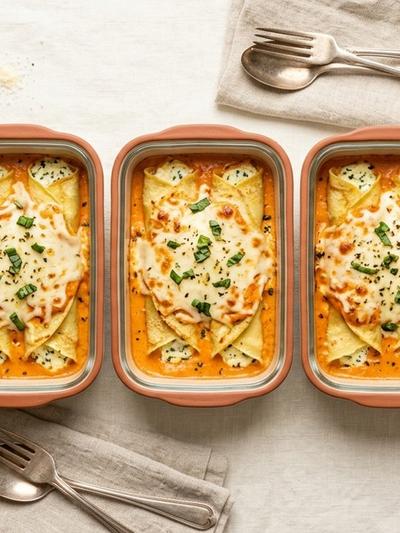
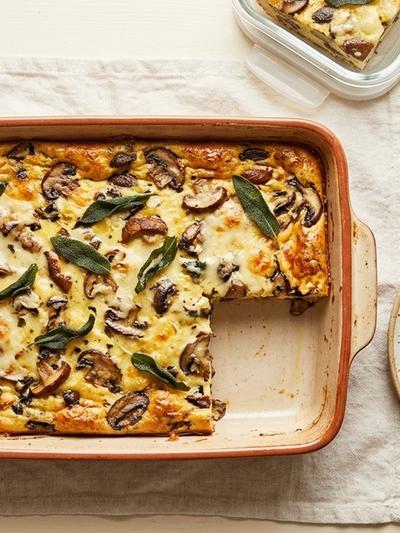
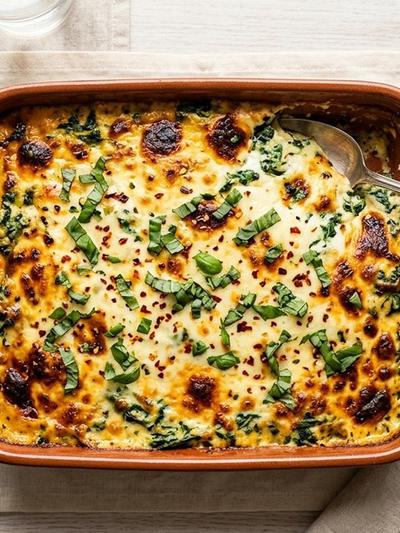
Imagine pulling a golden, bubbling casserole from the oven — layers of tender zucchini ribbons nestled between crumbled paneer, swirls of basil pesto cream, and a thick cap of browned mozzarella that stretches as you lift each portion. This paneer pesto zucchini lasagna delivers every bit of the comfort you crave from a classic Italian lasagna, but without a single grain of flour or strand of pasta in sight. The paneer soaks up the garlicky pesto cream as it bakes, becoming rich and almost custard-like in the center, while the zucchini stays just tender enough to give you that satisfying layered bite.
With roughly 47 grams of fat and only 6 grams of net carbs per generous serving, this dish sits squarely in the keto sweet spot. Fat makes up over 70 percent of the calories, driven by the olive oil–based pesto, heavy cream, and the naturally high fat content of paneer and mozzarella. At 31 grams of protein per portion, it also qualifies as high-protein — making it ideal for those who lift weights or simply want to stay satiated for hours after dinner.
Best of all, this lasagna is purpose-built for meal prep. One batch yields four hearty servings that store beautifully in the refrigerator for up to five days. The flavors actually deepen overnight as the pesto cream melds into the paneer and zucchini layers. Slice it into individual portions, store in airtight containers, and you have weeknight dinners handled with a single Sunday cook session.
Ingredients (serves 4)
For the pesto cream sauce:
- 3 tablespoons (45g) basil pesto (store-bought or homemade, check for added sugar)
- 1/3 cup (80ml) heavy whipping cream
- 1 tablespoon (15ml) extra-virgin olive oil
- 2 cloves garlic, minced
- 1/4 teaspoon red pepper flakes
- 1/4 teaspoon salt
- 1/8 teaspoon black pepper
For the paneer-ricotta filling:
- 10.5 oz (300g) paneer, crumbled into small pieces
- 3/4 cup (185g) whole-milk ricotta cheese
- 1 large egg, beaten
- 2 tablespoons (5g) fresh basil, finely chopped
- 1/4 teaspoon garlic powder
- 1/4 teaspoon salt
For layering and topping:
- 3 medium zucchini (about 1.1 lb / 500g total)
- 3/4 cup (85g) shredded low-moisture mozzarella
- 1/4 cup (25g) finely grated Parmesan cheese
- Fresh basil leaves, for garnish
Instructions
Prep the zucchini. Trim the ends from each zucchini, then slice lengthwise into thin planks about 1/8 inch (3mm) thick using a mandoline or sharp knife. You should get roughly 5–6 slices per zucchini. Lay them in a single layer on a sheet pan lined with paper towels and sprinkle lightly with salt. Let them sit for 10 minutes to draw out moisture, then blot both sides firmly with fresh paper towels. This step is critical — excess water will make the lasagna soggy.
Preheat the oven to 375°F (190°C). Lightly grease an 8×8-inch (20×20cm) baking dish with olive oil or cooking spray.
Make the pesto cream sauce. In a small saucepan over medium-low heat, warm the olive oil and sauté the minced garlic for about 30 seconds until fragrant but not browned. Stir in the pesto, heavy cream, red pepper flakes, salt, and black pepper. Whisk gently until smooth and just beginning to simmer, about 2 minutes. Remove from heat and set aside.
Prepare the paneer-ricotta filling. In a medium bowl, combine the crumbled paneer, ricotta, beaten egg, chopped basil, garlic powder, and salt. Mix until evenly combined — the mixture should be chunky and spreadable, not smooth.
Build the lasagna layers. Spread 2 tablespoons of the pesto cream sauce across the bottom of the prepared baking dish. Arrange a single layer of zucchini slices on top, overlapping slightly to cover the bottom. Spread half of the paneer-ricotta filling over the zucchini in an even layer. Drizzle one-third of the remaining pesto cream over the filling. Add another layer of zucchini slices. Spread the remaining paneer-ricotta filling, then drizzle another third of the pesto cream. Finish with a final layer of zucchini slices and pour the last of the pesto cream evenly on top.
Add the cheese topping. Scatter the shredded mozzarella over the surface, then sprinkle the grated Parmesan evenly on top.
Bake covered first, then uncovered. Cover the dish tightly with aluminum foil and bake for 20 minutes. Remove the foil and continue baking for another 12–15 minutes until the cheese is golden brown and bubbling vigorously around the edges. The internal temperature should reach at least 165°F (74°C).
Rest before slicing. Remove from the oven and let the lasagna rest on a wire rack for at least 10 minutes. This resting period firms up the layers so your slices hold together cleanly. Cut into 4 equal portions, garnish with fresh basil leaves, and serve.
Nutrition per Serving
| Nutrient | Amount |
|---|---|
| Calories | ~585 kcal |
| Fat | ~47g |
| Protein | ~31g |
| Total Carbs | ~8g |
| Fiber | ~2g |
| Net Carbs | ~6g |
Nutrition values are approximate and based on the stated ingredients and brands with no added sugars.
Tips & Variations
Salting and draining the zucchini is non-negotiable. Zucchini is roughly 95 percent water, and that moisture will pool at the bottom of your casserole if you skip this step. For even better results, after salting and blotting, lay the slices on a sheet pan and roast them at 400°F (200°C) for 5 minutes per side before building the lasagna. This adds an extra step but virtually eliminates any sogginess.
Make your own zero-sugar pesto. Many store-bought pestos sneak in added sugars, starches, or cheap filler oils that bump up the carb count. A quick homemade pesto — basil, pine nuts, Parmesan, garlic, olive oil, and salt in a food processor — takes five minutes and keeps the carbs negligible. Always check the label if buying pre-made, and look for brands with 1g or fewer carbs per tablespoon.
Meal-prep storage and reheating. Let the lasagna cool completely, then slice into individual portions and store in airtight glass containers in the refrigerator for up to 5 days. Reheat in the microwave for 2–3 minutes at 70 percent power, or better yet, reheat uncovered in a 350°F (175°C) oven for 12–15 minutes until warmed through. The oven method preserves the texture of the zucchini layers far better than the microwave.
Swap in eggplant for a heartier variation. Thinly sliced eggplant (salted and drained the same way) works beautifully in place of or alongside the zucchini. Eggplant adds a meatier, more substantial chew. Just note that eggplant is slightly higher in carbs than zucchini — about 2g net carbs per 100g versus 1.5g — so it may add roughly 1–2g of net carbs per serving depending on how much you use.
Freeze individual portions for longer storage. This lasagna freezes well for up to 2 months. Wrap each cooled portion tightly in plastic wrap, then again in aluminum foil, and place in a freezer-safe bag. Thaw overnight in the refrigerator before reheating. Avoid freezing the entire uncut casserole, as it takes much longer to thaw evenly and the zucchini layers can become mushy from the extended moisture exposure.