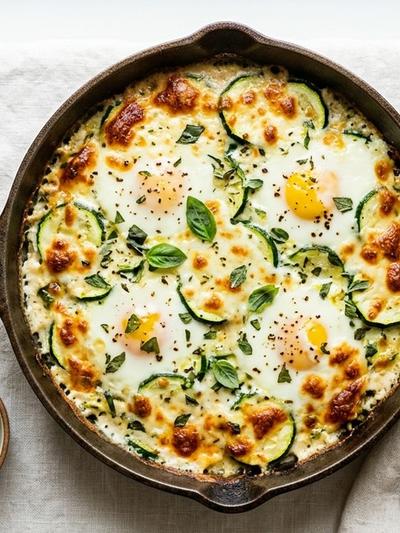
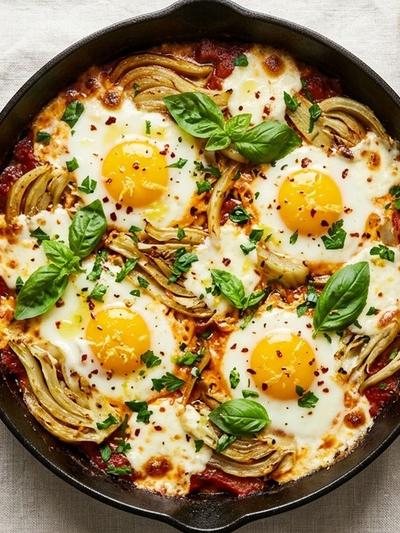
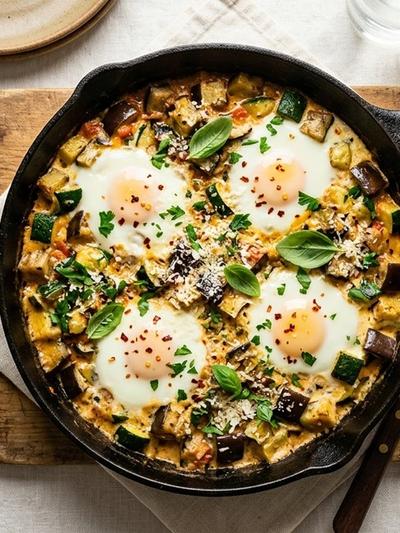
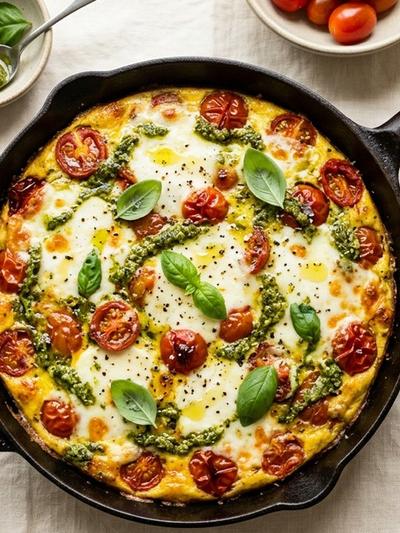
Imagine cracking eggs into sizzling pesto butter, dolloping clouds of whole-milk ricotta between the yolks, and showering everything with parmesan that crisps into golden, lacy edges right in the skillet. This one-pan Italian breakfast is the kind of morning meal that feels indulgent and restaurant-worthy yet comes together in barely fifteen minutes. Every bite delivers creamy, herby, savory richness — the ricotta melts into soft, pillowy pockets while the pesto butter infuses the egg whites with fragrant basil and garlic.
With roughly 45 grams of fat and only 5 grams of net carbs per serving, this dish is a textbook ketogenic breakfast. The combination of butter, olive oil–rich pesto, and whole-milk ricotta provides the high-fat foundation your body needs for sustained morning energy, while eggs and parmesan deliver 26 grams of protein to keep you satisfied well past lunch.
Best of all, the entire recipe uses a single skillet and takes just ten minutes of active cooking. There is no chopping, no marinating, no oven preheating — just a hot pan and a handful of quality Italian ingredients. It is the ideal weekday breakfast when you want something far more exciting than a plain scramble but cannot afford to spend half your morning at the stove.
Ingredients (serves 2)
For the pesto butter base:
- 2 tablespoons (28g) unsalted butter
- 2 tablespoons (30g) basil pesto (store-bought or homemade, no added sugar)
- 1 small clove garlic, thinly sliced
For the eggs and ricotta:
- 4 large eggs
- 1/2 cup (124g) whole-milk ricotta cheese
- 1/4 cup (25g) finely grated Parmigiano-Reggiano
- Pinch of red pepper flakes
- Fine sea salt and freshly cracked black pepper, to taste
For finishing:
- 4–5 fresh basil leaves, torn
- 1 teaspoon (5ml) extra-virgin olive oil, for drizzling
Instructions
Heat the pesto butter. Place a 10-inch (25cm) nonstick or well-seasoned cast-iron skillet over medium heat. Add the butter and let it melt completely, about 30 seconds. Stir in the pesto and sliced garlic and cook for 45–60 seconds, swirling the pan, until the garlic is fragrant and the butter-pesto mixture is gently bubbling. The kitchen should smell intensely of basil and toasted garlic.
Add the eggs. Reduce the heat to medium-low. Crack the four eggs directly into the skillet, spacing them as evenly as possible. Season the yolks with a small pinch of salt and a few grinds of black pepper. Let the eggs cook undisturbed for about 1 minute, until the whites just begin to set around the edges.
Dollop the ricotta. Using a teaspoon, drop six to eight small spoonfuls of ricotta into the spaces between the egg yolks and around the edges of the skillet. There is no need for precision — irregular dollops look beautiful and create varied textures as some melt fully and others hold their shape.
Add the parmesan. Scatter the grated Parmigiano-Reggiano over the entire surface of the skillet, making sure some falls directly onto the ricotta and some lands on the exposed edges of the pan where it can crisp. Sprinkle the red pepper flakes over the top.
Cover and finish cooking. Place a lid or a sheet of aluminum foil loosely over the skillet. Cook for 3–4 minutes, until the egg whites are fully set, the yolks are still slightly jiggly (or firmer if you prefer), and the parmesan at the edges has turned golden and crispy. The ricotta will have softened into warm, creamy mounds.
Garnish and serve. Remove the skillet from the heat. Tear the fresh basil leaves over the top, drizzle with extra-virgin olive oil, and add one final crack of black pepper. Serve immediately, scooping directly from the skillet onto warm plates. Use a spatula to scrape up the crispy parmesan edges — they are the best part.
Nutrition per Serving
| Nutrient | Amount |
|---|---|
| Calories | ~518 kcal |
| Fat | ~45g |
| Protein | ~26g |
| Total Carbs | ~6g |
| Fiber | ~1g |
| Net Carbs | ~5g |
Nutrition values are approximate and based on the stated ingredients. Variations in pesto brands and ricotta fat content may slightly alter macros.
Tips & Variations
Choose your pesto carefully. Not all store-bought pestos are equal on keto. Some brands sneak in fillers, sunflower oil, or added sugar that bump carb counts. Look for pesto with a short ingredient list — basil, olive oil, pine nuts or walnuts, parmesan, garlic, and salt. Trader Joe's Genova Pesto and Rao's Basil Pesto are reliable low-carb options. Or make your own in a food processor in under two minutes.
Control your yolk texture. If you love runny yolks for dipping, keep the heat at medium-low and check at the 3-minute mark after covering. For fully set yolks that are easier to portion for meal prep, cook covered for a full 5 minutes. The ricotta acts as an insulator, so eggs near the ricotta dollops may take slightly longer to set.
Make it a heartier meal. For a more substantial breakfast, wilt a handful of baby spinach or arugula into the pesto butter before adding the eggs. This adds virtually zero net carbs but brings color, iron, and a peppery bite that pairs beautifully with the creamy ricotta. A few oil-packed sun-dried tomatoes (roughly 1 tablespoon, sliced thin) also work well — just account for the extra 1–2 grams of carbs.
Try mascarpone for an even richer version. Swap the ricotta for an equal amount of mascarpone cheese for a more decadent, silky result. Mascarpone is higher in fat and lower in protein, which actually pushes the fat ratio even higher — a plus if you are targeting deeper ketosis. The flavor becomes more buttery and less tangy, which some people prefer in the morning.
Store and reheat with care. Leftovers keep in an airtight container in the refrigerator for up to two days. Reheat gently in a skillet over low heat with a splash of water and a lid to steam the eggs back to tenderness. Microwaving works in a pinch (30-second intervals at 50% power) but can make the ricotta grainy. The crispy parmesan edges will soften upon storage, so if that crunch matters to you, grate a little fresh parmesan on top when reheating.