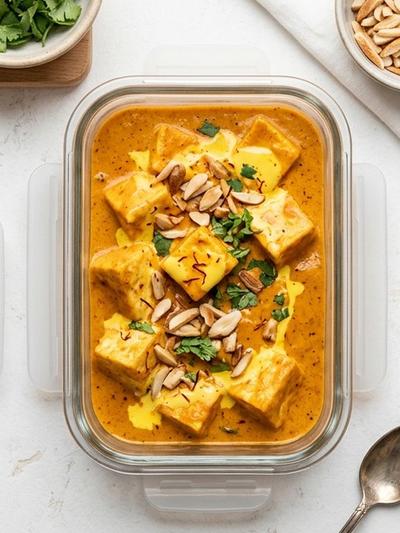
Paneer Methi Malai is one of those Indian curries that hits every note a keto dinner needs: rich, warming, deeply satisfying. Velvety cubes of pan-seared paneer swim in a lush cream sauce infused with kasuri methi — dried fenugreek leaves that bring a distinctive bittersweet, earthy fragrance you won't find in any other spice. A crackling almond tadka poured over the top right before serving adds crunch and a hit of toasted nuttiness that elevates this from weeknight staple to something genuinely special. Close your eyes while the tadka sizzles into the cream, and you could be sitting in a North Indian dhaba.
At just 6 grams of net carbs and 56 grams of fat per serving, this curry lands squarely in ketogenic territory without any tricks or substitutions. A full pound of paneer across four servings delivers 23 grams of complete protein per bowl, and the combination of heavy cream, cream cheese, and ghee provides the deep satiety that makes keto sustainable long-term. The fenugreek and warm spices add layers of complexity that make each bite feel indulgent rather than restrictive.
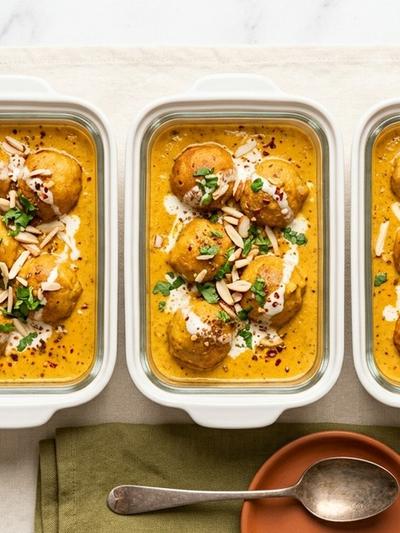
This recipe is built for batch cooking. The full pot yields four generous servings that store beautifully in the fridge for up to five days — and the flavors actually deepen as the paneer absorbs the cream sauce overnight. Portion into containers on Sunday, and you have keto dinners lined up all week. The curry reheats gently on the stovetop or in the microwave, and the sauce becomes even silkier as the cream cheese melds further into the gravy with each passing day.
Ingredients (serves 4)
For the cream sauce:
- 1 lb (454g) paneer, cut into 1-inch cubes
- 2/3 cup (160ml) heavy whipping cream
- 3 oz (85g) full-fat cream cheese, cut into small cubes
- 2 tbsp (28g) ghee
- 2 tbsp dried kasuri methi (dried fenugreek leaves)
- 1 tbsp (15g) ginger paste
- 4 cloves garlic, finely minced
- 2 green chilies, slit lengthwise (adjust to taste)
- 4 green cardamom pods, lightly crushed
- 1 tsp garam masala
- 1/2 tsp ground turmeric
- 1/4 tsp ground white pepper
- Salt to taste
For the almond tadka:
- 1/2 tbsp (7g) ghee
- 3 tbsp (18g) slivered almonds
- 1 tsp cumin seeds
- 1 dried red Kashmiri chile
Instructions
Sear the paneer. Heat 1 tablespoon of ghee in a large heavy-bottomed skillet or Dutch oven over medium-high heat. Pat the paneer cubes dry with a paper towel, then arrange them in a single layer. Sear for 2 to 3 minutes per side until golden brown on at least two faces. Work in batches rather than crowding the pan — you want color, not steam. Transfer the seared paneer to a plate and set aside.
Build the aromatic base. Reduce heat to medium and add the remaining 1 tablespoon of ghee to the same pan. Drop in the crushed cardamom pods and let them sizzle for 15 seconds until fragrant. Add the ginger paste and minced garlic, stirring constantly for about 1 minute until the raw smell disappears and the mixture turns lightly golden. The residual paneer fond on the pan will deglaze beautifully here.
Add the green chilies and stir for another 30 seconds. The moisture from the aromatics will lift any remaining browned bits from the pan bottom, building flavor into the base.
Create the cream sauce. Pour in the heavy cream and stir well, scraping up every last bit of caramelization from the pan. Bring to a gentle simmer — lazy bubbles around the edges, not a rolling boil. Add the cream cheese cubes and stir continuously until completely melted and the sauce is smooth, about 2 minutes. Patience here prevents a grainy texture.
Season the sauce. Stir in the garam masala, turmeric, white pepper, and salt. Take the kasuri methi in your palms and crush it directly over the pan — this releases the essential oils and amplifies that unmistakable fenugreek fragrance. Stir well and let the sauce simmer gently for 3 to 4 minutes until it thickens enough to coat the back of a spoon.
Return the paneer. Nestle the seared paneer cubes into the sauce, turning them gently to coat on all sides. Simmer on low heat for 5 minutes, allowing the paneer to absorb some of the cream. Avoid stirring aggressively — paneer crumbles easily if handled roughly. The cubes should look glossy and well-coated.
Make the almond tadka. In a small pan or butter warmer, heat the remaining half tablespoon of ghee over medium heat. Add the cumin seeds and slivered almonds together. Stir constantly for 2 to 3 minutes until the almonds turn golden brown and the cumin becomes fragrant and starts to crackle. Drop in the dried Kashmiri chile for the last 30 seconds — it should puff up slightly and darken without burning.
Finish and serve. Pour the sizzling tadka directly over the paneer methi malai — the sound of hot ghee hitting the cream sauce is part of the experience. Serve immediately over cauliflower rice or alongside keto garlic naan, or cool completely to room temperature and portion into airtight containers for meal prep.
Nutrition per Serving
| Nutrient | Amount |
|---|---|
| Calories | ~620 kcal |
| Fat | ~56g |
| Protein | ~23g |
| Total Carbs | ~7g |
| Fiber | ~1g |
| Net Carbs | ~6g |
Approximate values based on standard full-fat paneer, heavy whipping cream, and block-style cream cheese. Actual macros may vary by brand.
Tips & Variations
Pan-searing the paneer is non-negotiable. Skipping this step leaves you with soft, bland cubes that fall apart during storage. The golden crust adds a caramelized richness and structural integrity that holds up through five days of reheating. Always pat the paneer dry with a paper towel first — surface moisture is the enemy of a good sear.
Keep the cream sauce at a gentle simmer, never a boil. Heavy cream and cream cheese both break when heated too aggressively, leaving you with a grainy or separated sauce. You want to see small bubbles lazily rising around the edges of the pan. This is especially critical when melting the cream cheese — cut it into small cubes so it dissolves evenly without needing high heat.
Kasuri methi is the soul of this dish and has no real substitute. Dried fenugreek leaves carry a bittersweet, slightly smoky flavor that is entirely unique. You can find kasuri methi at any Indian grocery store, and a single bag costs a few dollars and lasts months since you only use tablespoons at a time. If you also have access to fresh fenugreek leaves, sauté two cups of washed and chopped leaves into the aromatic base before adding cream for an extra layer of green, herbaceous depth.
Watch for hidden carbs in store-bought cream cheese and paneer. Some flavored or whipped cream cheese varieties contain added sugars or starches that silently spike the carb count — stick with plain, full-fat, block-style cream cheese. Similarly, a few commercial paneer brands add stabilizers or fillers. Check the ingredient list: it should read milk, acid (citric acid or vinegar), and salt, nothing else.
Add a splash of cream when reheating stored portions. The sauce thickens considerably in the fridge as the cream cheese sets and the paneer absorbs liquid. Stir in a tablespoon of heavy cream per serving when reheating on the stovetop over medium-low heat. For microwave reheating, add the cream, cover loosely, and heat in 30-second intervals, stirring between each round until warmed through.