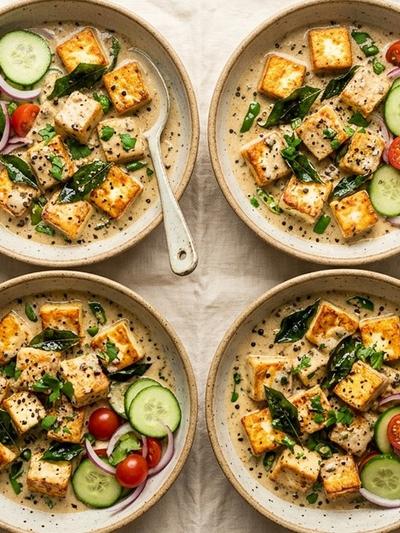
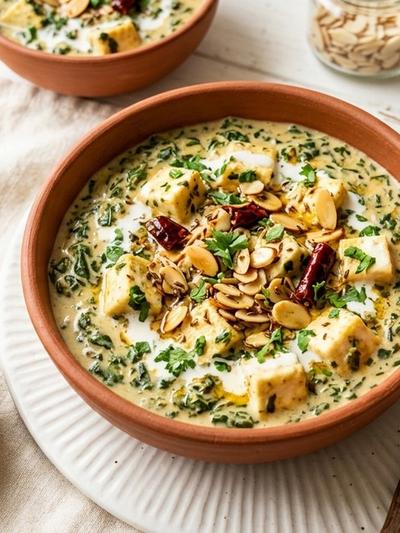
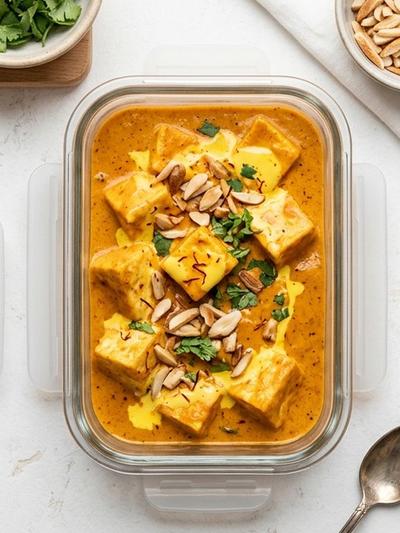
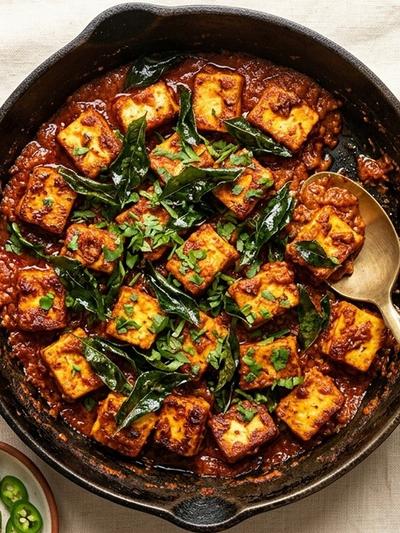
Imagine biting into a golden, crispy-edged kofta that shatters into a tender interior of toasted walnuts, creamy paneer, and warm cumin — then it's all bathed in the most luxurious almond cream gravy you've ever tasted. This batch-prep malai kofta takes one of India's most celebrated restaurant dishes and transforms it into a weeknight-friendly, keto-compliant dinner that stores beautifully for up to five days. The gravy is velvety, fragrant with cardamom and a whisper of kasuri methi (dried fenugreek leaves), and rich enough to make you forget this is a low-carb meal. Every spoonful delivers that unmistakable North Indian richness that makes malai kofta a perennial favorite.
Each serving delivers 38 grams of fat primarily from walnuts, almond butter, ghee, and coconut cream — placing fat squarely at 72% of total calories. With just 7 grams of net carbs and 22 grams of protein per generous portion, this recipe fits comfortably within standard ketogenic macros. The nuts and seeds provide healthy omega-3s and fiber, while paneer contributes complete protein and satisfying richness.
The real magic here is the meal-prep design. You bake the kofta on a single sheet pan while the gravy simmers on the stovetop — both components come together in about an hour with minimal active effort. Portion everything into containers, and you have four stunning Indian dinners ready to reheat in minutes. Serve over cauliflower rice or alongside keto garlic naan for a truly indulgent evening meal.
Ingredients (serves 4)
For the walnut-paneer kofta (makes 12):
- 7 oz (200g) paneer, finely grated
- ½ cup (50g) walnut halves, finely chopped
- ¼ cup (28g) almond flour
- 2 tablespoons (20g) chia seeds
- 2 tablespoons (14g) hemp hearts
- 1 large egg, lightly beaten
- 1 teaspoon garam masala
- ½ teaspoon ground cumin
- ½ teaspoon Kashmiri red chili powder
- ¼ teaspoon ground turmeric
- ½ teaspoon salt
- 1 tablespoon ghee, melted (for brushing)
For the almond cream gravy:
- 2 tablespoons (28g) ghee
- 1 teaspoon cumin seeds
- 2 green cardamom pods, lightly crushed
- 1 small bay leaf
- 1 medium yellow onion, finely diced (about ¾ cup / 110g)
- 3 cloves garlic, minced
- 1-inch piece fresh ginger, grated
- 1 medium tomato, pureed (about ½ cup / 120g)
- 2 tablespoons (32g) unsweetened almond butter
- ½ cup (120ml) full-fat coconut cream
- ½ cup (120ml) water
- 1 teaspoon garam masala
- ½ teaspoon ground coriander
- ¼ teaspoon ground turmeric
- ½ teaspoon Kashmiri red chili powder
- 1 tablespoon kasuri methi (dried fenugreek leaves), crushed
- ½ teaspoon salt, or to taste
For garnish:
- 1 tablespoon (7g) flax seeds, toasted
- 2 tablespoons fresh cilantro, chopped
- 1 tablespoon (15ml) heavy cream (optional swirl)
Instructions
Preheat the oven to 375°F (190°C) and line a large baking sheet with parchment paper.
Make the kofta mixture. In a large bowl, combine the grated paneer, chopped walnuts, almond flour, chia seeds, and hemp hearts. Add the beaten egg, garam masala, cumin, chili powder, turmeric, and salt. Mix thoroughly with your hands until the mixture holds together when squeezed. If it feels too crumbly, let it rest for 5 minutes — the chia seeds will absorb moisture and bind everything together.
Shape the kofta. Divide the mixture into 12 equal portions (about 1.5 tablespoons each). Roll each into a smooth ball between your palms, pressing firmly so they hold their shape. Place on the prepared baking sheet with at least an inch between each ball. Brush the tops and sides lightly with the melted ghee.
Bake the kofta for 25–28 minutes, turning them gently at the halfway mark. They're done when golden brown on the outside and firm to the touch. The walnut pieces will be fragrant and toasty. Remove from the oven and set aside.
Start the gravy while the kofta bake. Heat 2 tablespoons of ghee in a large, deep skillet or Dutch oven over medium heat. Add the cumin seeds, crushed cardamom pods, and bay leaf. Let them sizzle and pop for about 30 seconds until fragrant — watch closely so they don't burn.
Cook the onion base. Add the diced onion and cook for 6–7 minutes, stirring occasionally, until soft and golden at the edges. Add the minced garlic and grated ginger, cooking for another minute until the raw smell disappears.
Add the tomato puree and cook, stirring frequently, for 4–5 minutes. The mixture should darken slightly and the oil will begin to separate from the masala at the edges of the pan — this is your cue that the base is properly cooked.
Build the cream sauce. Stir in the almond butter until fully incorporated into the tomato base. Pour in the coconut cream and water, then add the garam masala, ground coriander, turmeric, chili powder, and salt. Stir well and bring to a gentle simmer. Let the gravy cook for 8–10 minutes on low heat, stirring occasionally, until it thickens to a consistency that coats the back of a spoon.
Finish the gravy. Remove and discard the bay leaf and cardamom pods. Crush the kasuri methi between your palms and stir it into the gravy. Taste and adjust salt and spice levels.
Combine for serving (or portion for meal prep). Gently nestle the baked kofta into the gravy. Spoon the sauce over them and let everything sit together on the lowest heat for 2–3 minutes so the kofta absorb some of the gravy's flavor. Garnish with toasted flax seeds, fresh cilantro, and an optional swirl of heavy cream.
For meal prep: Divide 3 kofta and a generous portion of gravy into each of 4 airtight containers. Let cool completely before sealing. Refrigerate for up to 5 days.
Nutrition per Serving
| Nutrient | Amount |
|---|---|
| Calories | ~478 kcal |
| Fat | ~38g |
| Protein | ~22g |
| Total Carbs | ~12g |
| Fiber | ~5g |
| Net Carbs | ~7g |
Nutrition is approximate, calculated based on the stated ingredients and 4 servings of 3 kofta with gravy each.
Tips & Variations
Grate the paneer while cold for best results. Firm, chilled paneer grates cleanly and mixes evenly with the nuts and seeds. If your paneer is too soft or crumbly, freeze it for 20 minutes before grating. The texture of the kofta depends on even distribution of all the ingredients.
Toast the walnuts before chopping for deeper flavor. Spread walnut halves on a dry skillet over medium heat for 3–4 minutes, shaking frequently, until fragrant. Toasting intensifies their nutty sweetness and adds another layer of complexity to the kofta. This small step makes a noticeable difference in the finished dish.
Watch your onion carbs. Onion is the highest-carb ingredient in the gravy. If you're tracking strictly, you can reduce the onion to half and add an extra tablespoon of almond butter for body, which will drop net carbs by about 1.5 grams per serving. Avoid substituting onion powder, as it's more carb-dense by volume.
Reheat gently to preserve texture. The kofta stay wonderfully firm through 5 days of refrigeration. Reheat individual portions in the microwave for 2–2.5 minutes at 70% power, or warm in a covered skillet over low heat with a splash of water to loosen the gravy. Avoid high heat, which can cause the coconut cream to separate.
Swap hemp hearts for sunflower seed kernels if needed. If hemp hearts aren't available, an equal amount of raw sunflower seed kernels works well and keeps the macros nearly identical. You can also substitute almond butter with tahini for a slightly different flavor profile — just note that tahini adds a subtle bitterness, so reduce the amount by a teaspoon.