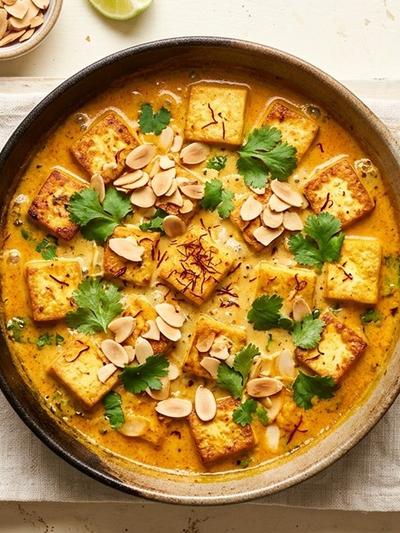
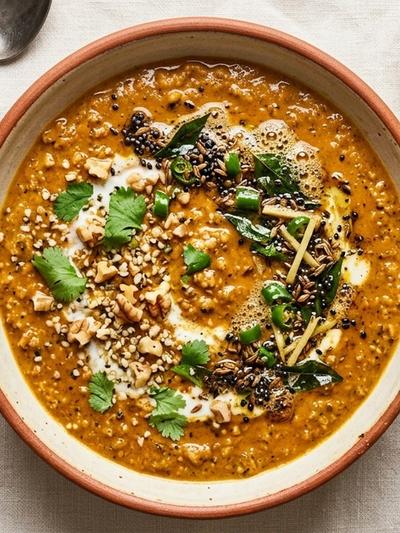
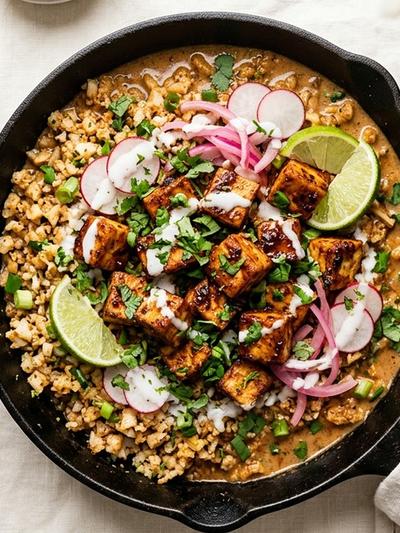
Drop a few of these rustic walnut-seed albondigas into a bowl of smoky chipotle broth and try to remember you are eating keto. The "meatballs" shatter at the edges and stay tender inside, built from toasted walnuts, hemp hearts, and almond flour bound with chia and flax. The broth pulls together in the same skillet — chipotle peppers, cumin, and oregano simmered with fresh zucchini until everything turns deeply savory and just spicy enough to keep you reaching for the next spoonful. A pile of sliced avocado and a squeeze of lime across the top, and you have a lunch that feels nothing like a compromise.
Every component in this bowl pulls its weight on the macro sheet. Walnuts and hemp hearts deliver healthy fats and plant protein, coconut oil enriches the broth, and avocado rounds out the bowl with creamy monounsaturated fat. At roughly 42 grams of fat and only 9 grams of net carbs per generous serving, the ratio lands squarely in the keto sweet spot without a single animal product in sight.
The best part is the cleanup — or the lack of it. One skillet handles the browning and the simmering. You can eat two bowls today and stash the rest in the fridge for tomorrow's lunch, adding fresh avocado and cilantro right before you eat. The albondigas actually improve overnight as the chipotle broth soaks into them, which makes this an ideal candidate for weekday meal prep.
Ingredients (serves 4)
For the walnut-seed albondigas:
- 2 tablespoons (14g) ground flaxseed
- 5 tablespoons (75ml) warm water
- 3/4 cup (90g) raw walnuts, finely chopped or pulsed in a food processor
- 1/4 cup (40g) hemp hearts
- 1/4 cup (28g) almond flour
- 1 tablespoon (12g) chia seeds
- 1 teaspoon ground cumin
- 1/2 teaspoon smoked paprika
- 1/2 teaspoon garlic powder
- 1/4 teaspoon fine sea salt
- Pinch of black pepper
For the chipotle broth:
- 2 tablespoons (28g) coconut oil
- 1/4 cup (35g) finely diced white onion
- 3 cloves garlic, minced
- 1–2 chipotle peppers in adobo, minced, plus 1 tablespoon adobo sauce
- 1/2 cup (80g) diced fresh tomatoes
- 3 cups (720ml) low-sodium vegetable broth
- 1 medium (200g) zucchini, quartered lengthwise and sliced into half-moons
- 1 teaspoon ground cumin
- 1 teaspoon dried Mexican oregano
- Salt to taste
For serving:
- 1 large ripe avocado (about 200g flesh), sliced
- 2 tablespoons (18g) raw pepitas, toasted
- Fresh cilantro leaves, roughly torn
- 1 lime, cut into wedges
- Red pepper flakes, optional
Instructions
Make the flax eggs. Stir the ground flaxseed into the warm water in a small bowl. Set aside for at least 10 minutes until the mixture thickens into a gel. You can do this first and prep the remaining ingredients while you wait.
Prepare the albondigas mixture. In a medium bowl, combine the finely chopped walnuts, hemp hearts, almond flour, chia seeds, cumin, smoked paprika, garlic powder, salt, and pepper. Pour in the flax gel and stir until a sticky, cohesive dough forms. If it feels too loose, let it rest 2–3 minutes for the chia seeds to absorb more moisture.
Shape the balls. Scoop roughly 1 tablespoon of the mixture at a time and roll between your palms to form about 12 small albondigas. They should be compact but not squeezed too hard — a slightly rough surface helps them crisp in the skillet. Set them on a plate.
Brown the albondigas. Heat the coconut oil in a large (12-inch / 30cm) skillet over medium heat. Once the oil shimmers, add the albondigas in a single layer, leaving a little space between each one. Cook undisturbed for 2–3 minutes until the bottoms turn deep golden brown, then gently turn them and brown for another 2 minutes on the opposite side. They will not be cooked through yet — that is fine. Transfer to a clean plate.
Build the broth. In the same skillet with the residual oil, add the diced onion. Sauté for 2 minutes over medium heat, stirring occasionally, until it softens and turns translucent. Add the garlic and cook for 30 seconds until fragrant. Stir in the minced chipotle peppers and adobo sauce, diced tomatoes, cumin, and oregano. Cook for 1 minute, scraping up any browned bits from the bottom of the skillet.
Simmer everything together. Pour in the vegetable broth and bring the liquid to a gentle boil. Add the zucchini and stir once. Carefully nestle the browned albondigas back into the broth. Reduce the heat to medium-low and simmer uncovered for 12–15 minutes. The broth should reduce by roughly a quarter, the zucchini should be tender but not falling apart, and the albondigas should be firm and heated through. Taste and adjust salt.
Toast the pepitas. While the broth simmers, toast the pepitas in a small dry pan over medium heat for 2–3 minutes, shaking frequently, until they start to pop and turn golden. Set aside.
Serve. Ladle the broth, zucchini, and 3 albondigas into each bowl. Top with sliced avocado, toasted pepitas, torn cilantro, and a generous squeeze of lime. Scatter red pepper flakes over the top if you like extra heat.
Nutrition per Serving
| Nutrient | Amount |
|---|---|
| Calories | ~475 kcal |
| Fat | ~42g |
| Protein | ~13g |
| Total Carbs | ~19g |
| Fiber | ~10g |
| Net Carbs | ~9g |
Approximate values based on the stated ingredients. Actual nutrition may vary depending on specific brands and exact measurements used.
Tips & Variations
Make the albondigas ahead. Shape and brown the walnut-seed balls up to two days before you need them. Store them on a parchment-lined plate in the fridge, then drop them straight into the simmering broth when you are ready to cook. They hold their shape better when cold.
Adjust the heat without changing the carbs. Chipotle peppers in adobo vary wildly between brands. Start with a single pepper and half a tablespoon of sauce, taste the broth after a few minutes of simmering, and add more if you want it spicier. The adobo sauce carries most of the smoky flavor, so lean on the sauce if you are heat-sensitive but want depth.
Watch for hidden carbs in vegetable broth. Some store-bought broths contain added sugars, starches, or maltodextrin that will push your net carb count higher. Read the label and choose a broth with zero or near-zero carbs per cup. Better yet, use homemade broth made from celery, onion scraps, and herbs — it costs almost nothing and keeps in the freezer for months.
Swap the zucchini for other low-carb vegetables. Diced chayote, sliced radishes, or roughly chopped spinach stirred in at the end all work well in this broth. Chayote is especially good here — it holds up to simmering without going mushy and tastes mildly sweet against the chipotle. Avoid bell peppers or carrots in large quantities as they carry more sugar.
Boost the protein if you need it. Crumble half a block (about 100g) of extra-firm tofu into the broth during the last five minutes of simmering. It absorbs the chipotle flavor and adds roughly 5 grams of protein per serving without meaningfully affecting the carb count. You can also increase the hemp hearts in the albondigas to a full third of a cup.