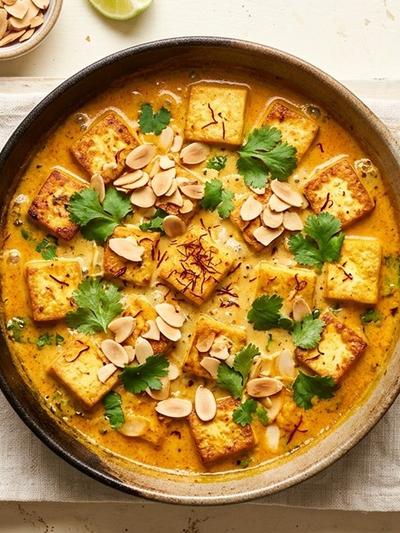
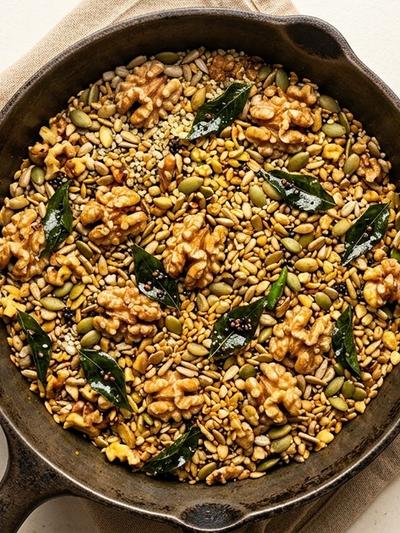
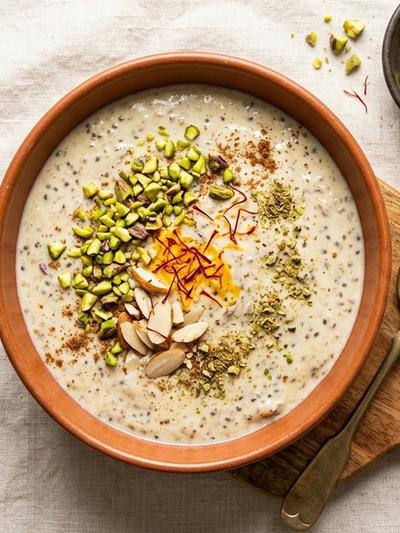
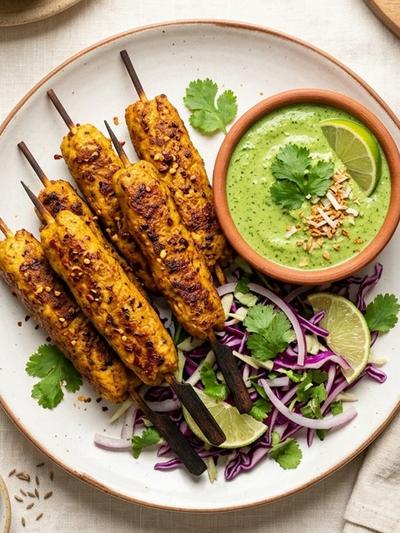
Imagine a deeply spiced, golden curry so thick and luxurious you'd swear it was simmered for hours — but this one-pot beauty comes together in under 30 minutes. Ground walnuts melt into a velvety coconut cream base seasoned with turmeric, garam masala, and a whisper of kashmiri chili, while hemp hearts add a gentle nuttiness and satisfying body to every spoonful. The showstopper is a crackling seed tadka — cumin, flax, and chia seeds bloomed in hot coconut oil — poured sizzling over the top right before serving. It fills the kitchen with the kind of aroma that makes everyone ask what's for lunch.
With roughly 52 grams of fat and only 7 grams of net carbs per generous serving, this curry sits squarely in the keto sweet spot. The walnuts and hemp hearts deliver a combined 15 grams of plant-based protein alongside a wealth of omega-3 fatty acids, while the full-fat coconut milk ensures the fat ratio stays exactly where it needs to be. There's zero dairy and zero animal products here, making it a perfect fit for anyone following a vegan ketogenic lifestyle.
From a practical standpoint, this recipe is a weekday lunch dream. Everything happens in a single saucepan — no blending, no baking, no fussy steps. It reheats beautifully for meal prep, and the flavors actually deepen overnight, which means day-two leftovers might be even better than the fresh batch. Serve it over cauliflower rice, spoon it into lettuce cups, or simply eat it straight from the bowl with a squeeze of lime.
Ingredients (serves 4)
For the curry base:
- 1 cup (120g) raw walnuts, finely ground in a food processor
- ¾ cup (100g) hemp hearts (hulled hemp seeds)
- 1 can (13.5 oz / 400ml) full-fat coconut milk, well shaken
- 2 cups (60g) fresh baby spinach
- ¼ cup (40g) finely diced white onion
- 2 cloves garlic, minced
- 1 tablespoon (6g) freshly grated ginger
- ¼ cup (40g) finely diced fresh tomato
- 1 tablespoon (14g) coconut oil
- 1 teaspoon ground turmeric
- 1 teaspoon garam masala
- ½ teaspoon Kashmiri chili powder (or mild paprika)
- ½ teaspoon fine sea salt, plus more to taste
- ½ cup (120ml) water
- 1 tablespoon (15ml) fresh lime juice
For the seed tadka:
- 1 tablespoon (14g) coconut oil
- 1 teaspoon cumin seeds
- 1 tablespoon (10g) golden flax seeds
- 1 tablespoon (10g) chia seeds
- ¼ teaspoon asafoetida (hing) — optional
- 1 dried Kashmiri red chili, broken in half
- Pinch of fine sea salt
For serving:
- 2 tablespoons fresh cilantro leaves, roughly chopped
- Lime wedges
- Cauliflower rice (optional, not included in nutrition)
Instructions
Prepare the walnut meal. Pulse raw walnuts in a food processor 8–10 times until you have a coarse meal — some small pieces are fine and will add texture. Don't over-process or you'll get walnut butter. Set aside.
Sauté the aromatics. Heat 1 tablespoon coconut oil in a medium saucepan or deep skillet over medium heat. Add the diced onion and cook for 2–3 minutes until translucent and just beginning to soften. Add the garlic and ginger and stir for 30 seconds until fragrant.
Bloom the spices. Add the turmeric, garam masala, and Kashmiri chili powder directly to the aromatics. Stir constantly for 30 seconds — the oil will turn a deep golden color and the spices will become intensely aromatic. This step is essential for building depth of flavor.
Add the tomato and cook down. Stir in the diced tomato and cook for 2 minutes, pressing it gently with a spoon until it breaks down into a rough paste. This forms the masala base.
Build the curry. Pour in the full can of coconut milk and ½ cup of water. Stir well to combine with the masala base. Bring to a gentle simmer over medium heat — small bubbles around the edges, not a rolling boil.
Add the walnuts and hemp hearts. Stir the ground walnuts and hemp hearts into the simmering liquid. Mix thoroughly to prevent clumps. Reduce heat to medium-low and cook for 8–10 minutes, stirring occasionally, until the curry thickens to a creamy, stew-like consistency. It should coat the back of a spoon easily.
Wilt the spinach. Add the baby spinach in two handfuls, stirring each batch until just wilted — about 1 minute total. Stir in the lime juice and salt. Taste and adjust seasoning. Remove from heat and cover.
Make the seed tadka. In a small pan or butter warmer, heat the remaining 1 tablespoon coconut oil over medium-high heat until it shimmers. Add the cumin seeds — they should sizzle immediately. Quickly add the flax seeds, chia seeds, dried chili, asafoetida (if using), and a pinch of salt. Stir constantly for 45–60 seconds until the seeds are toasted and popping. The flax and chia will puff slightly and turn golden.
Finish and serve. Ladle the curry into bowls and pour the hot seed tadka directly over each serving — you'll hear a satisfying sizzle. Garnish with fresh cilantro and serve with lime wedges. Pair with cauliflower rice for a more substantial meal, if desired.
Nutrition per Serving
| Nutrient | Amount |
|---|---|
| Calories | ~560 kcal |
| Fat | ~52g |
| Protein | ~15g |
| Total Carbs | ~14g |
| Fiber | ~7g |
| Net Carbs | ~7g |
Nutrition is approximate, calculated based on the stated ingredients and four equal servings. Values may vary depending on specific brands used.
Tips & Variations
Make it a meal-prep powerhouse. This curry stores exceptionally well in airtight containers in the refrigerator for up to 4 days. Store the tadka separately in a small jar at room temperature and re-crisp it in a hot pan for 20 seconds before adding to reheated portions. The curry thickens as it cools — simply stir in a splash of water or coconut milk when reheating on the stovetop or in the microwave.
Watch for hidden carbs in spice blends. Some commercial garam masala blends contain added sugar, flour, or starch as fillers. Always check the label and opt for pure spice blends, or make your own by toasting and grinding whole cardamom, cinnamon, cloves, black pepper, and cumin. This keeps the net carb count honest and the flavor vastly superior.
Swap the walnuts for different nut profiles. If you're not a walnut fan, raw pecans or macadamia nuts work beautifully and keep the fat content high. Almonds are another option but will produce a slightly denser, less creamy result. Avoid cashews — while delicious, they're significantly higher in carbs and could push the recipe out of keto range.
Boost the protein if you need more. Crumble half a block of extra-firm tofu into the curry during step 6 for an additional 8–10 grams of protein per serving without meaningfully affecting the carb count. You could also stir in a tablespoon of almond butter per serving for extra richness and a few more grams of plant protein.
Adjust the heat to your preference. Kashmiri chili delivers gorgeous color with gentle warmth. For serious heat, add ¼ teaspoon cayenne pepper in step 3 or stir in a finely minced green chili with the aromatics. For a milder version, skip the dried chili in the tadka entirely and use sweet paprika in place of Kashmiri chili powder.