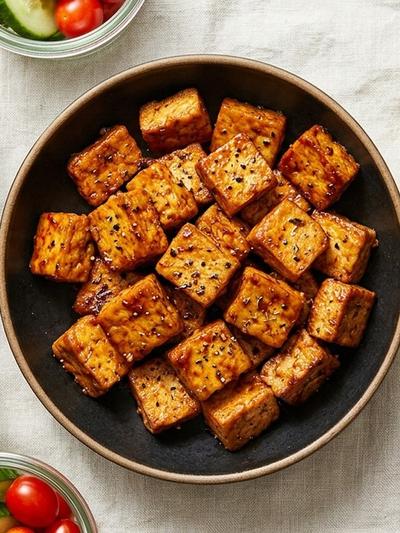
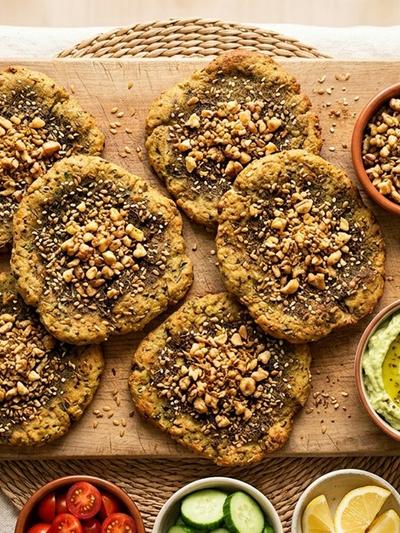
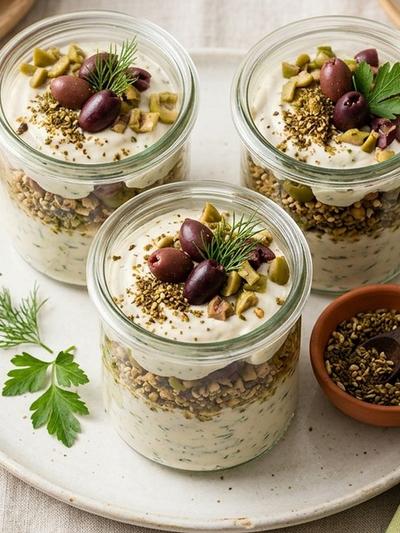
There is something irresistible about a perfectly baked tofu cube — golden and firm on the outside, tender within — especially when it is dusted in earthy sumac and aromatic Mediterranean spices. Paired with a punchy kalamata olive and toasted walnut tapenade bursting with capers and fresh lemon, these little bites deliver the bold, sun-drenched flavors of the eastern Mediterranean in every snack-sized piece. The sumac brings a gorgeous ruby color and tangy citrus note that makes these cubes utterly addictive, while the tapenade adds richness and depth that keeps you reaching for more.
Each serving delivers approximately 28 grams of fat and only 3 grams of net carbs, making these bites a textbook keto snack. The tofu provides a solid 14 grams of plant-based protein per portion, while the walnuts and olive oil in the tapenade supply the heart-healthy fats your body needs for sustained energy. With roughly 75% of calories coming from fat, these bites hit the ideal ketogenic macro ratio without any animal products whatsoever.
Designed specifically for batch cooking, this recipe produces four generous snack portions that store beautifully in the refrigerator for up to five days. Bake the tofu cubes on a single sheet pan, whirl the tapenade in a food processor, divide everything into containers, and your weekday snacking is completely sorted. They are perfect cold straight from the fridge, at room temperature at your desk, or gently rewarmed for a couple of minutes — no fuss, no mess, no excuses to reach for high-carb alternatives.
Ingredients (serves 4)
For the sumac tofu bites:
- 14 oz (400g) extra-firm tofu, drained and pressed for at least 20 minutes
- 2 tablespoons (30ml) extra-virgin olive oil
- 1 tablespoon ground sumac
- 1 teaspoon dried oregano
- 1/2 teaspoon garlic powder
- 1/2 teaspoon onion powder
- 1/2 teaspoon smoked paprika
- 1/4 teaspoon freshly ground black pepper
- 1/2 teaspoon fine sea salt
For the kalamata-walnut tapenade:
- 1/2 cup (80g) pitted kalamata olives
- 1/3 cup (40g) raw walnuts, lightly toasted
- 2 tablespoons (30ml) extra-virgin olive oil
- 1 tablespoon (9g) capers, drained
- 1 tablespoon (15ml) fresh lemon juice
- 1 small clove garlic, roughly chopped
- 2 tablespoons fresh flat-leaf parsley, loosely packed
- 1/4 teaspoon red pepper flakes
- Freshly ground black pepper, to taste
Instructions
Press and cube the tofu. Wrap the tofu block in a clean kitchen towel or several layers of paper towels. Place a heavy cutting board or cast iron skillet on top and press for at least 20 minutes to remove excess moisture. This step is critical for achieving crispy edges. Once pressed, cut the tofu into 3/4-inch (2cm) cubes — you should get roughly 30 to 36 pieces.
Preheat the oven. Set your oven to 400°F (200°C) and line a large rimmed baking sheet with parchment paper. Position a rack in the upper third of the oven for maximum heat exposure.
Season the tofu. In a large mixing bowl, whisk together the olive oil, sumac, oregano, garlic powder, onion powder, smoked paprika, pepper, and salt until a smooth spice paste forms. Add the tofu cubes and gently toss with a spatula or your hands until every piece is evenly coated in the deep crimson spice mixture. Spread the cubes in a single layer on the prepared baking sheet, leaving a little space between each piece so they crisp rather than steam.
Bake until golden and firm. Transfer to the oven and bake for 25 to 30 minutes, flipping the cubes once at the 15-minute mark. The tofu is done when the edges are deeply golden, slightly crackled, and feel firm when pressed. The sumac will darken to a rich burgundy — this is normal and adds wonderful flavor. Remove from the oven and let cool completely on the pan.
Toast the walnuts. While the tofu bakes, add the walnuts to a small dry skillet over medium-low heat. Stir frequently for 3 to 4 minutes until fragrant and lightly browned. Watch carefully, as they can burn quickly. Transfer to a plate to cool.
Make the tapenade. Add the kalamata olives, toasted walnuts, capers, garlic, lemon juice, red pepper flakes, and olive oil to a food processor or mini chopper. Pulse 8 to 10 times until you have a chunky, spreadable paste — you want visible bits of walnut and olive for texture, not a smooth purée. Add the parsley and pulse 2 to 3 more times to just incorporate. Season with black pepper to taste. The olives and capers provide plenty of salt, so taste before adding any.
Assemble for meal prep. Divide the cooled tofu cubes evenly among four airtight containers (roughly 8 to 9 cubes per portion). Spoon approximately 2 tablespoons of tapenade into a small separate container or silicone cup within each container to keep the tapenade from softening the tofu. Seal and refrigerate for up to 5 days.
Serve and enjoy. When ready to snack, enjoy the tofu bites cold or at room temperature, dipping each cube into the tapenade. For a warm snack, reheat the tofu cubes in a 350°F (175°C) oven or toaster oven for 5 to 7 minutes until heated through and slightly re-crisped.
Nutrition per Serving
| Nutrient | Amount |
|---|---|
| Calories | ~335 kcal |
| Fat | ~28g |
| Protein | ~14g |
| Total Carbs | ~7g |
| Fiber | ~4g |
| Net Carbs | ~3g |
Nutrition values are approximate and may vary depending on specific brands and the exact size of your tofu block.
Tips & Variations
Press your tofu thoroughly for the best texture. The single most important step in this recipe is removing moisture from the tofu before baking. If you are serious about meal prep, invest in a tofu press — it applies consistent pressure and cuts the time in half. Insufficiently pressed tofu will steam in the oven instead of crisping, leaving you with a soggy, disappointing result.
Keep the tapenade and tofu stored separately. This is essential for maintaining texture over multiple days of meal prep. The moisture from the tapenade will soften the crispy exterior of the tofu if they sit together. Small silicone baking cups nestled inside your meal-prep container work perfectly as a built-in dip compartment.
Watch for hidden carbs in store-bought olives. Some jarred kalamata olives are packed in brine with added sugar or preservatives that can bump up the carb count. Check labels carefully and choose olives packed in olive oil or plain brine with no added sweeteners. Whole olives you pit yourself are typically the safest option.
Swap walnuts for pecans or hemp hearts for a nut-free option. Pecans provide a similar richness and are equally keto-friendly. For a completely nut-free tapenade, replace the walnuts with 3 tablespoons of hulled hemp hearts — you will get a creamier texture and an extra protein boost without sacrificing the satisfying bite of the tapenade.
Turn these into a more substantial snack plate. Serve alongside cucumber rounds, celery sticks, or raw bell pepper strips for extra crunch without significantly increasing the carb count. A drizzle of extra-virgin olive oil and a pinch of flaky sea salt over the plated bites elevates this from weekday snack to impressive appetizer for entertaining.