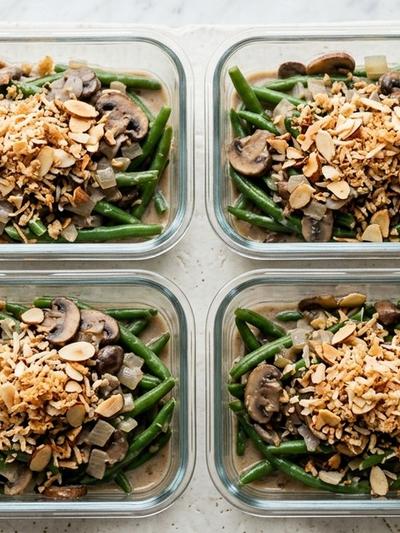
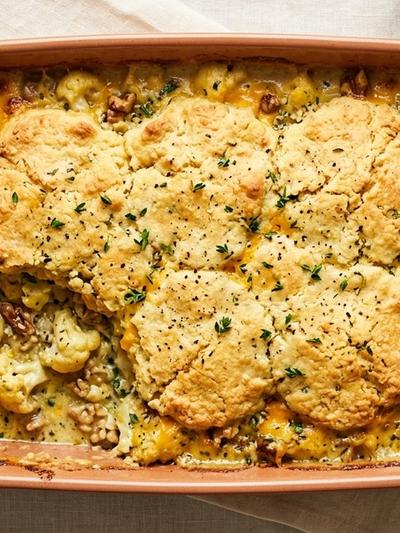
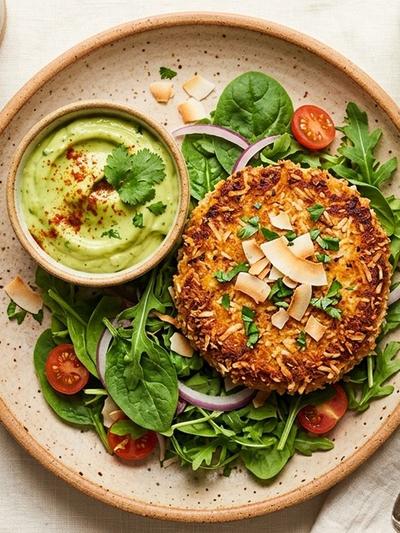
There is something deeply satisfying about a thick, golden slab of egg casserole loaded with smoky peppers, earthy mushrooms, and tender spinach — especially when you know it was waiting for you in the fridge, ready to reheat in minutes. This Smoky Western Egg Casserole brings all the cozy, diner-style comfort of a classic Denver omelet, baked into a sliceable, meal-prep-friendly format that works beautifully for weeknight dinners. The smoked paprika and cumin build a warm, savory backbone, while a cool, creamy avocado ranch drizzle ties everything together with fresh herbs and a hit of tangy lime.
With 33 grams of fat and only 6 grams of net carbs per generous serving, this casserole lands squarely in the keto sweet spot. The fat comes from a combination of eggs, coconut cream, avocado oil, and the avocado-based ranch, giving you sustained energy without any dairy whatsoever. At 21 grams of protein per slice, it is substantial enough to serve as a complete dinner — no side dish required, though a simple green salad never hurts.
Best of all, this recipe is designed for batch cooking. One baking dish yields four thick servings that store beautifully in the refrigerator for up to five days. Simply slice, store in individual containers, and reheat in the microwave or oven whenever dinner rolls around. The casserole actually improves in flavor as the spices meld overnight, making day-two leftovers arguably the best serving of all.
Ingredients (serves 4)
For the casserole:
- 10 large eggs
- 1/3 cup (80ml) full-fat coconut cream
- 2 tablespoons (30ml) avocado oil
- 1 medium green bell pepper, diced (about 1 cup / 150g)
- 8 ounces (225g) cremini mushrooms, sliced
- 1/2 medium yellow onion, finely diced (about 1/2 cup / 75g)
- 2 cups (60g) fresh baby spinach, roughly chopped
- 2 cloves garlic, minced
- 1 1/2 teaspoons smoked paprika
- 1 teaspoon ground cumin
- 1/2 teaspoon garlic powder
- 1/2 teaspoon onion powder
- 1/4 teaspoon cayenne pepper (optional, for heat)
- 3/4 teaspoon fine sea salt
- 1/2 teaspoon freshly ground black pepper
For the avocado ranch drizzle:
- 1 medium ripe avocado (about 150g flesh)
- 3 tablespoons (45ml) full-fat coconut cream
- 1 tablespoon (15ml) fresh lime juice
- 1 tablespoon fresh dill, finely chopped
- 1 tablespoon fresh chives, finely chopped
- 1/2 teaspoon garlic powder
- 1/4 teaspoon onion powder
- 1/4 teaspoon fine sea salt
- 2–3 tablespoons (30–45ml) water, to thin
Instructions
Preheat the oven to 375°F (190°C). Lightly grease a 9×9-inch (23×23cm) baking dish with a thin coating of avocado oil and set aside.
Sauté the vegetables. Heat 2 tablespoons of avocado oil in a large skillet over medium-high heat. Add the diced onion and green bell pepper and cook for 3–4 minutes, stirring occasionally, until the onion turns translucent and the pepper begins to soften. Add the sliced mushrooms and cook for another 4–5 minutes, until the mushrooms release their moisture and turn golden brown at the edges. Stir in the minced garlic and chopped spinach and cook for 1 minute, just until the spinach wilts. Remove the skillet from the heat.
Season the vegetables. Sprinkle the smoked paprika, cumin, garlic powder, onion powder, cayenne (if using), salt, and black pepper over the cooked vegetables. Stir well to coat everything evenly in the spices. The mixture should smell deeply smoky and savory.
Whisk the egg mixture. In a large bowl, crack all 10 eggs and add the coconut cream. Whisk vigorously for about 30 seconds until the mixture is completely smooth with no visible streaks of coconut cream. The coconut cream replaces dairy here, adding richness and helping the casserole set with a tender, custard-like texture.
Combine and pour. Add the seasoned vegetable mixture to the egg bowl and stir to distribute evenly. Pour the entire mixture into the prepared baking dish, using a spatula to spread the vegetables into an even layer so every slice gets a fair share.
Bake the casserole. Place the baking dish on the center rack and bake for 30–35 minutes. The casserole is done when the top is golden brown, the edges have pulled away slightly from the sides of the dish, and the center is set — it should jiggle only very slightly when you gently shake the pan. A toothpick inserted into the center should come out clean. Let the casserole rest in the dish for 10 minutes before slicing; this resting period helps it firm up and makes cleaner cuts.
Make the avocado ranch drizzle. While the casserole bakes, scoop the avocado flesh into a small bowl or a wide-mouth jar (if using an immersion blender). Add the coconut cream, lime juice, dill, chives, garlic powder, onion powder, and salt. Mash with a fork and stir until smooth, or blend with an immersion blender for a silkier consistency. Add water one tablespoon at a time until you reach a drizzleable consistency — it should be thick enough to cling to the casserole but thin enough to pour from a spoon.
Slice and serve. Cut the casserole into four equal portions. Drizzle each slice generously with the avocado ranch. Serve warm for dinner, or let the casserole cool completely before storing for the week ahead.
Nutrition per Serving
| Nutrient | Amount |
|---|---|
| Calories | ~405 kcal |
| Fat | ~33g |
| Protein | ~21g |
| Total Carbs | ~10g |
| Fiber | ~4g |
| Net Carbs | ~6g |
Nutrition information is approximate and based on the stated ingredients using standard USDA values.
Tips & Variations
Make it ahead and store it right. Let the casserole cool completely at room temperature before cutting into portions. Store slices in airtight containers in the refrigerator for up to 5 days. Keep the avocado ranch in a separate small container with a piece of plastic wrap pressed directly against the surface to prevent browning. To reheat, microwave a single portion for 90 seconds or warm in a 350°F (175°C) oven for 10–12 minutes.
Swap the vegetables to suit your taste. Zucchini, broccoli florets, or diced asparagus all work beautifully in place of (or alongside) the bell pepper and mushrooms. Just be sure to cook any high-moisture vegetables thoroughly before adding them to the egg mixture, as excess water can make the casserole soggy. Stick with low-carb options and avoid starchy vegetables like sweet potato or corn.
Watch for hidden carbs in coconut cream. Not all canned coconut cream is created equal — some brands add sugar, stabilizers, or thickeners that bump up the carb count. Read labels carefully and choose brands with just coconut and water. The thick, solid cream from a refrigerated can of full-fat coconut milk also works perfectly here.
Boost the fat if your macros need it. If you are targeting higher fat intake for deeper ketosis, drizzle each serving with an extra tablespoon of extra-virgin olive oil or add a handful of sliced olives to the casserole before baking. You can also increase the avocado in the ranch drizzle — using a whole large avocado instead of a medium one adds roughly 5 grams of fat per serving with minimal impact on carbs.
Freeze individual portions for longer storage. This casserole freezes well for up to 2 months. Wrap individual slices tightly in parchment paper and then aluminum foil, or place them in freezer-safe containers. Thaw overnight in the refrigerator and reheat as directed. Note that the avocado ranch does not freeze well — make a fresh batch when you are ready to serve the thawed portions.