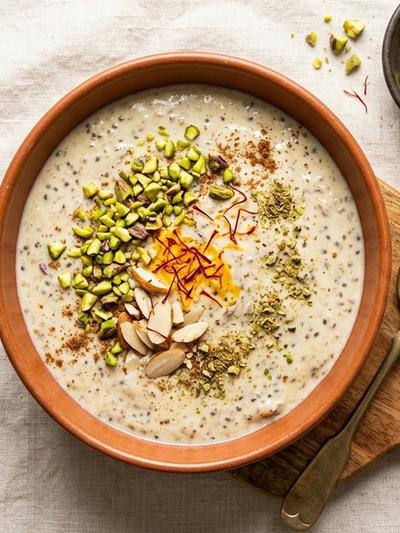
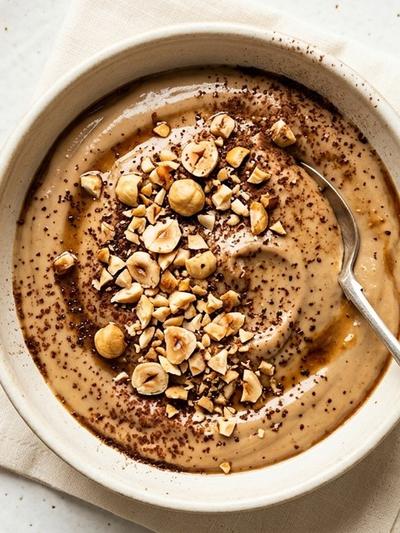
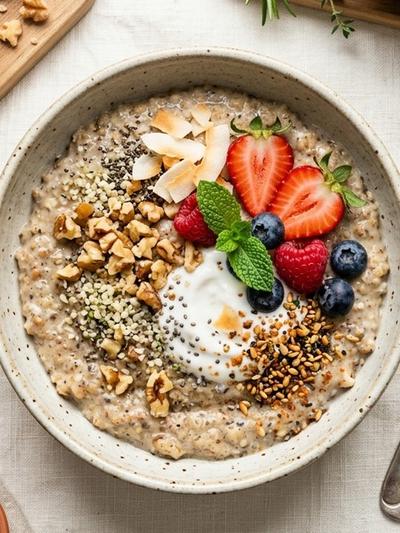
Imagine biting into a square of halva that shatters just slightly at the edge, then melts into a cool, sesame-rich cloud on your tongue — sweetened with only erythritol, perfumed with rose water, and crowned with emerald shards of toasted pistachio. This Turkish-inspired coconut-tahini halva fudge is everything you want a Mediterranean sweet to be: deeply nutty, floral, and unapologetically rich. It comes together in a single saucepan in under ten minutes of active cooking, then sets in the fridge while you sip your coffee.
The macro profile is a keto dieter's dream. Each generous square clocks in at 26 grams of fat (largely from coconut cream, coconut oil, and tahini — the holy trinity of vegan keto fats), just 4 grams of net carbs, and 4 grams of plant protein. Coconut flour absorbs moisture without spiking blood sugar, while powdered erythritol dissolves into a silky crystalline sweetness that mimics traditional halva without any of the sugar.
Beyond the macros, this is a practical treat. There are no ovens to preheat, no eggs to temper, no dairy to curdle — just stir, pour, chill, and slice. The fudge keeps beautifully in the fridge for a week (or the freezer for a month), making it ideal for Ramadan iftars, Shabbat desserts, afternoon tea trays, or simply a 3pm moment of quiet indulgence.
Ingredients (serves 8)
For the halva fudge base:
- 1 cup (240ml) full-fat coconut cream, thick part only (from a chilled 13.5oz/400ml can)
- 1/3 cup (75g) virgin coconut oil
- 3/4 cup (180g) well-stirred tahini (runny, light-colored Mediterranean-style)
- 1/2 cup (60g) powdered erythritol or monk fruit sweetener
- 3 tablespoons (21g) coconut flour, sifted
- 1/2 cup (40g) unsweetened finely shredded coconut
- 1 teaspoon pure vanilla extract
- 1 teaspoon rose water (food-grade)
- 1/2 teaspoon ground cardamom
- 1/4 teaspoon fine sea salt
For the topping:
- 1/4 cup (30g) shelled raw pistachios, roughly chopped
- 1 tablespoon (5g) additional shredded coconut, lightly toasted
- Pinch of flaky sea salt
- Optional: a few dried rose petals, crushed
Instructions
- Line an 8x4-inch (20x10cm) loaf pan with parchment paper, leaving a 2-inch overhang on the long sides for easy lifting later. Set aside in the fridge so the pan is cool when you pour the fudge.
- In a medium (2-quart) heavy-bottomed saucepan over low heat, combine the coconut cream and coconut oil. Warm gently for 2-3 minutes, whisking constantly, until the oil is fully melted and the mixture looks uniform and glossy — do not let it bubble or simmer.
- Add the powdered erythritol and whisk vigorously for about 60 seconds until completely dissolved and the mixture is smooth. Taste and adjust: it should be noticeably sweet, as sweetness mellows once chilled.
- Remove the pan from the heat. Whisk in the tahini in a slow stream — it should blend smoothly into a caramel-colored ribbon within 30 seconds. Add the vanilla, rose water, cardamom, and fine sea salt, and whisk again to combine.
- Sprinkle the sifted coconut flour and shredded coconut over the surface. Switch to a silicone spatula and fold gently for 1-2 minutes until you have a thick, paste-like batter that holds a soft ribbon when lifted. If it looks too loose, return to very low heat for another 60 seconds, stirring constantly, until it thickens.
- Scrape the batter into the prepared loaf pan. Smooth the top with the back of a warm, wet spoon — aim for an even 1-inch thick slab. Tap the pan gently on the counter twice to release air pockets.
- While the fudge is still tacky, scatter the chopped pistachios, toasted coconut, flaky salt, and rose petals (if using) evenly over the top. Press them in lightly with your palm so they anchor into the surface.
- Refrigerate uncovered for at least 2 hours, or until the fudge is firm to the touch and lifts cleanly from the parchment. For a denser, more traditional halva texture, chill overnight.
- Using the parchment overhang, lift the slab onto a cutting board. With a sharp knife warmed under hot water and wiped dry, slice into 8 equal squares (or 16 smaller bites for a mezze-style platter). Serve chilled or at cool room temperature.
Nutrition per Serving
| Nutrient | Amount |
|---|---|
| Calories | ~272 kcal |
| Fat | ~26g |
| Protein | ~4g |
| Total Carbs | ~8g |
| Fiber | ~4g |
| Net Carbs | ~4g |
Values are approximate and calculated from the stated ingredients; actual numbers will vary slightly depending on brands of coconut cream, tahini, and sweetener used.
Tips & Variations
Choose the right tahini. A light-colored, runny Mediterranean-style tahini (Lebanese, Palestinian, or Turkish brands) will give you the silkiest fudge. Avoid thick, bitter, or separated tahini — give the jar a hard stir before measuring, and if the oil has pooled at the top, warm it briefly in a bowl of hot water so it reincorporates smoothly.
Sweetener matters. Use powdered erythritol or monk fruit, not granulated — granulated sweeteners never fully dissolve in low-heat fat-based mixtures and will leave a gritty, cooling aftertaste. Allulose works beautifully here too and gives the fudge a softer, more caramel-like chew if you prefer that texture.
Watch for hidden carbs. Many commercial coconut creams contain added guar gum or stabilizers that are keto-safe, but some brands sneak in sugar or sweetened condensed coconut milk. Always check the label: the ingredients should read simply "coconut, water" (and optionally guar gum). Total carbs per 1/4 cup should be 2-3g max.
Make it chocolate-swirled. For a halva-brownie hybrid, melt 2 ounces (55g) of 90% dark chocolate with 1 tablespoon coconut oil, then drizzle over the fudge before chilling and swirl with a toothpick. This adds about 2g net carbs per serving but delivers serious café-style wow factor.
Storage strategy. Store squares in an airtight container between layers of parchment. They keep for 7 days in the fridge or 1 month in the freezer — frozen squares thaw on the counter in 10 minutes and are almost better than fresh, with an intensified sesame flavor and a cleaner snap.