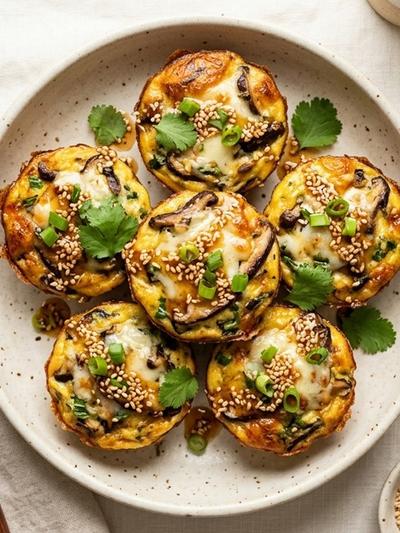
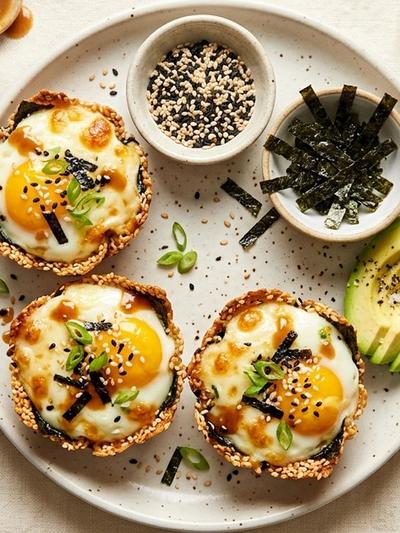
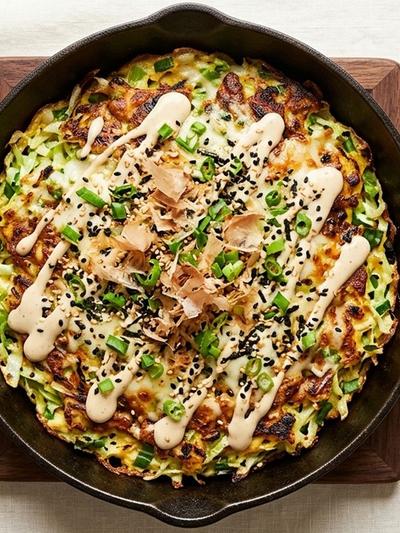
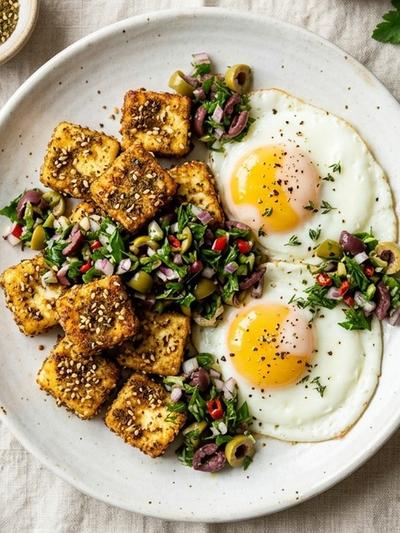
Imagine biting into a piping-hot egg cup with an impossibly crispy mozzarella edge, a custardy center laced with toasted sesame, and a slick of fiery-sweet gochujang butter pooling on top. These Air Fryer Korean Cheese Egg Cups deliver big Korean breakfast flavors — nutty sesame, umami-rich cheese, and a kick of fermented chile — in a grab-and-go format that is ready in under 25 minutes. The air fryer works absolute magic here, crisping the exposed cheese into golden-brown lace while keeping the egg filling pillowy soft. It is the kind of morning meal that makes you wonder why you ever settled for plain scrambled eggs.
Every serving packs roughly 44 grams of fat, 23 grams of protein, and just 5 grams of net carbs, landing squarely in the keto sweet spot with nearly 78% of calories coming from fat. The combination of mozzarella, cream cheese, and heavy cream creates a rich, satisfying base that keeps you fueled for hours without spiking blood sugar. A small amount of gochujang delivers enormous flavor with minimal carb impact — less than two grams per serving from the paste alone.
These egg cups are ideal for busy weekday mornings, but they are equally worthy of a lazy weekend brunch spread alongside some sliced avocado and a cup of bulletproof coffee. They reheat beautifully, making them a stellar meal-prep option — just pop them back in the air fryer for three minutes and they taste freshly made. The silicone muffin cups nestle perfectly into most air fryer baskets, so cleanup is practically nonexistent.
Ingredients (serves 4)
For the egg cups:
- 8 large eggs
- 1/2 cup (120ml) heavy whipping cream
- 1 1/2 cups (170g) shredded mozzarella cheese
- 2 oz (56g) cream cheese, softened and cubed
- 2 green onions, thinly sliced (green and white parts separated)
- 1 tablespoon (15ml) toasted sesame oil
- 1/2 teaspoon garlic powder
- 1/4 teaspoon ground white pepper
- Pinch of fine sea salt
For the gochujang butter:
- 2 tablespoons (28g) unsalted butter, melted
- 1 tablespoon (15g) gochujang paste
- 1/2 teaspoon rice vinegar (unseasoned)
For garnish:
- 1 tablespoon toasted sesame seeds
- Reserved green onion tops
- Flaky sea salt (optional)
Instructions
Prepare the egg mixture. In a large bowl, whisk the eggs until the yolks and whites are fully combined and slightly frothy. Add the heavy cream, toasted sesame oil, garlic powder, white pepper, and salt. Whisk again until smooth and uniform in color.
Add the cheese and aromatics. Stir in 1 cup (115g) of the shredded mozzarella, the cubed cream cheese, and the white parts of the green onions. Let the mixture sit for two minutes so the cream cheese begins to soften and incorporate — this creates pockets of melty richness throughout the egg cups.
Prepare the molds. Lightly grease 8 silicone muffin cups with a thin coating of sesame oil or cooking spray. Place the silicone cups on a small baking sheet or air fryer-safe tray that fits inside your air fryer basket.
Fill the cups. Divide the egg mixture evenly among the 8 silicone muffin cups, filling each about three-quarters full. Top each cup with the remaining 1/2 cup (55g) of mozzarella, pressing the shreds gently into the surface so they sit slightly above the egg line — this exposed cheese is what crisps up beautifully in the air fryer.
Preheat the air fryer. Set your air fryer to 350°F (175°C) and let it preheat for 2 minutes. Preheating ensures even cooking and helps the cheese start crisping from the moment the cups go in.
Air fry the egg cups. Place the tray of filled silicone cups into the air fryer basket in a single layer. You may need to work in two batches depending on the size of your air fryer. Cook at 350°F (175°C) for 12 to 15 minutes, until the tops are puffed, golden brown, and the cheese edges are deeply caramelized. The egg cups will puff dramatically during cooking and settle slightly as they cool — this is perfectly normal.
Make the gochujang butter. While the egg cups cook, whisk together the melted butter, gochujang paste, and rice vinegar in a small bowl until smooth and emulsified. The mixture should be a vibrant orange-red color with no streaks of unincorporated paste.
Unmold and serve. Let the egg cups rest in their silicone molds for 2 minutes — they firm up as they cool slightly and will release cleanly. Gently pop each cup out and arrange on a serving plate. Drizzle generously with the gochujang butter, then scatter toasted sesame seeds, sliced green onion tops, and a pinch of flaky sea salt over each cup. Serve immediately while the cheese is still stretchy and the butter is still warm.
Nutrition per Serving
| Nutrient | Amount |
|---|---|
| Calories | ~510 kcal |
| Fat | ~44g |
| Protein | ~23g |
| Total Carbs | ~5.5g |
| Fiber | ~0.5g |
| Net Carbs | ~5g |
Nutrition values are approximate and based on the stated ingredients and serving size of 2 egg cups per person.
Tips & Variations
Choose the right gochujang. Not all gochujang is created equal on keto. Traditional Korean gochujang contains rice flour and sweeteners that add carbs, but the amount used here is small enough to keep net carbs in check. Look for brands with lower sugar content — some specialty brands now make sugar-free or reduced-sugar versions. Always check the label, as carb counts can range from 2 to 8 grams per tablespoon depending on the brand.
Swap the cheese for different textures. Gruyère works beautifully in place of mozzarella if you want a nuttier, more complex flavor. Shredded cheddar creates crispier edges with a sharper bite. For a more authentic Korean street food vibe, try a combination of mozzarella and a mild processed cheese — the melt factor is unbeatable, though check the carb count on processed cheese brands as some contain added starches.
Meal prep like a pro. These egg cups store in an airtight container in the refrigerator for up to 4 days. To reheat, place them back in the air fryer at 300°F (150°C) for 3 to 4 minutes until warmed through and the exterior re-crisps. Avoid the microwave if possible — it softens the crispy cheese edges. Make the gochujang butter in a larger batch and keep it in a small jar in the fridge for up to a week.
Boost the fat even higher. If you are following a strict keto protocol and want to push the fat ratio up further, add a tablespoon of MCT oil or extra butter to the egg mixture before pouring into the molds. You can also serve the cups on a bed of sliced avocado, which adds both healthy fats and a cooling contrast to the spicy gochujang drizzle.
Try a Japanese miso variation. For a milder umami flavor, replace the gochujang butter with a white miso butter — simply whisk 1 tablespoon of white miso paste into the melted butter instead. White miso is lower in carbs than most gochujang brands and delivers a deeply savory, almost sweet complexity that pairs wonderfully with the toasted sesame and melted mozzarella.